

The Secret To Making Meal Prepped Food Stay Fresh Until Friday
We may receive a commission on purchases made from links.
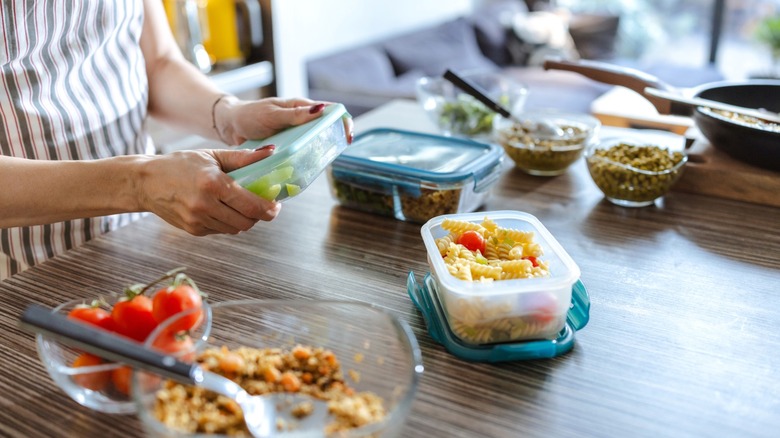
Meal prepping has become a go-to source of efficiency for people trying to enjoy a week's worth of delicious and healthy homemade meals. While the prepping aspect may take some work, you'll thank yourself later in the week if you can significantly cut down on cooking time when dinner rolls around. There is, however, one downside that comes with premade meals, and that is keeping the food fresh.
Once the food is cooked and stored, the quality begins to slowly decline and the various foods can become soggy or wilted. Food safety is also a common concern when it comes to meal prepping, as cooked foods in the refrigerator should typically be eaten within three to four days, if not sooner. The good news is, there are many food safety tips to practice in the kitchen that will ensure long-lasting prepared meals.
The most important aspect of meal prepping is using airtight containers, such as Rubbermaid Brilliance Glass Food Storage Containers, to slow the growth of bacteria. Keeping your refrigerator under 40 degrees Fahrenheit is also crucial for keeping the food fresh, as bacteria thrives in higher temperatures. However, be sure to let your food cool first before packing it up in the fridge to avoid condensation and keep your meals from getting soggy. Vegetables like cucumbers or zucchini contain a lot of water and can make your food mushy, so try pairing them with grains like rice or quinoa to absorb some of the moisture.
More meal prepping tips to keep food fresh all week
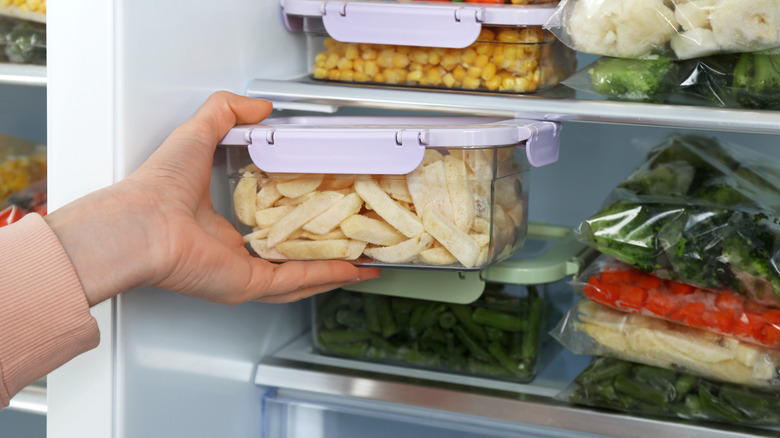
Creating a balanced meal prep plan may help you eat healthier throughout the week, but it is essential to know how to prepare your meals safely. If you've meal prepped with meat, be sure to eat it within three to five days of being refrigerated, before it loses quality and spoils. Leftovers should always be placed on a lower shelf and never the door, because the food will be more subject to external temperatures.
Using ingredients that will last longer in the fridge, such as pasta or grains, will also ensure a fresher result later in the week. If you're using vegetables, try slightly undercooking them so they don't become mushy when reheated and instead stay firm. When using raw produce, consider using a paper towel to manage moisture and keep it fresh until you're ready to use it. There are numerous time-saving eat-twice dishes out there that will give you plenty of leftovers for the week, though you should remember that meal prepping comes with some sacrifices. Prepared meals focus on convenience over freshness, and the proper approach often takes practice, but knowing the tips and tricks to keeping long-lasting food will have you eating well all week long.