

10 Tips You Absolutely Need When Cooking With Wine
We may receive a commission on purchases made from links.
As W.C. Fields once said, "I love cooking with wine. Sometimes I even add it to the food." Though enjoying a glass of wine with a meal can transform it from common to celebratory, cooking with this libation presents a host of unique opportunities and challenges that many aren't aware of. As a general rule, adding wine to recipes is a surefire way to enhance the flavor and texture of a dish. It can also help to tenderize meat, leaven baked goods, and offset some of the fat in a recipe.
The key to cooking with wine is knowing how much, what kind, and when to use it. That's where the skills of a professional chef and wine connoisseur are helpful, and where I come in. As the chef and owner of a fine dining restaurant with a well-defined wine list for nearly two decades, I can say with some authority that I know a few things about the matter. It is my desire and self-proclaimed duty to help illuminate the top tips and tricks you absolutely need when cooking with wine so that you don't have to discover these the hard way once your favorite recipe has already been partially ruined.
1. Pick a wine you would drink

Generally speaking, it is a good idea to only cook with wine you would actually drink. If you wouldn't serve it with the meal, you don't want to add it to the food. This is especially true when it comes to cooking wine, which you should avoid using at all costs. Cooking wine is frequently found at the grocery store in the vinegar aisle or alongside other condiments rather than in the liquor department. This is because it is not classified as a potable beverage, but rather as a food product, which means it is intended for cooking, not drinking, and cannot be taxed in the same way a regular bottle of wine may be.
What makes cooking wine especially heinous when it comes to adding it to a recipe is the excessive amount of salt, sugar, and preservatives that are added to it. While it helps to extend its shelf-life, it also gives it a horrendously off-putting aftertaste that can ruin even the most basic recipe. It is far better to use leftover wine from a previous meal that has been properly re-corked for freshness or to purchase a bottle specifically for the purpose of using it in a recipe.
Though it may be tempting to invest in an expensive bottle of wine with which to cook, cost doesn't necessarily dictate quality. Sometimes a mid-priced bottle of white or red is just what is needed to produce the best results.
2. Choose the right cookware
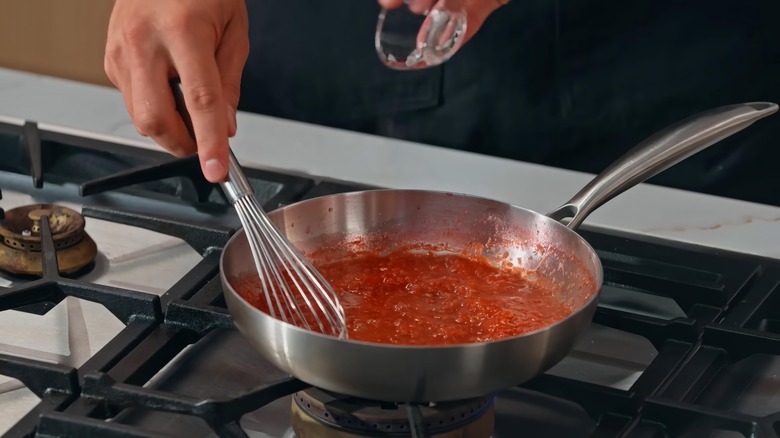
Another important factor to consider when cooking with wine is to use non-reactive cookware, like this set from Carraway. Because wine is an acid, it is highly susceptible to interacting with certain types of materials, which can not only leave behind a metallic aftertaste in your recipes, it can contaminate the dish making it potentially toxic if consumed. Among the worst materials for use with acidic ingredients like wine are copper, cast iron, and aluminum. Search for pots and pans that are made from stainless steel, ceramic, or glass for the best flavor and safest results.
Once you have selected the non-reactive pan of your choice, it is important to properly care for it to prevent deterioration. Pans should be cleaned with warm, soapy water, avoiding any harsh abrasives or chemicals, which may damage the surface of the cooking vessel. It should also be stored safely in a dry place where it can be protected from getting scratched or nicked by other pots and pans. Lastly, most non-reactive pans are not ideally-suited to high-heat cooking, which can break down the surface of the cooking vessel. These types of pots and pans are best when used with medium to low heat.
3. Use wine in moderation (with some exceptions)
When it comes to how much wine to add to a dish, less-is-more is always a good approach to take. It may be tempting to just dump a bottle into a recipe with abandon, but this can easily overwhelm the ingredients and leave them tasting overly boozy. Wine is intended to enhance a recipe, not overpower it, so moderation is key.
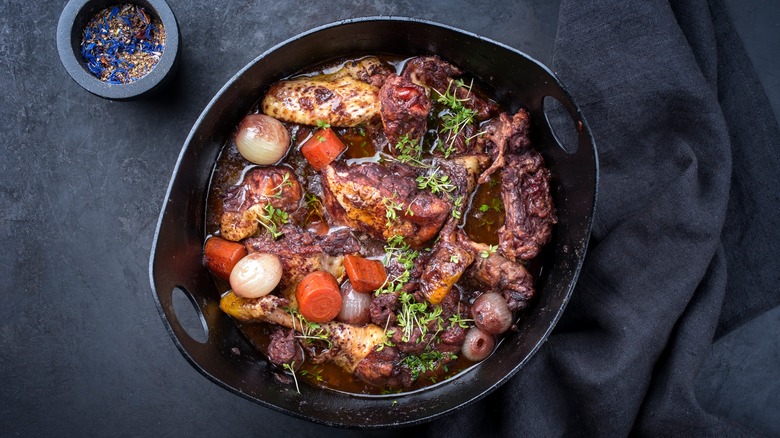
That said, there are some exceptions to this rule. A handful of dishes require more copious quantities of wine for best results. Among these are classic French recipes like coq au vin or boeuf Bourgignon, both of which rely on ample red wine to slowly braise the meat until it is impossibly tender. When making these recipes, it is important to follow the recipe precisely to ensure the amount of wine added and timing of when it is incorporated are carefully executed. This is not a place for creative license. These culinary techniques require a deft hand and attention to detail to turn out perfectly, which is why they were among Julia Child's all-time favorite dishes.
4. Use it in a marinade
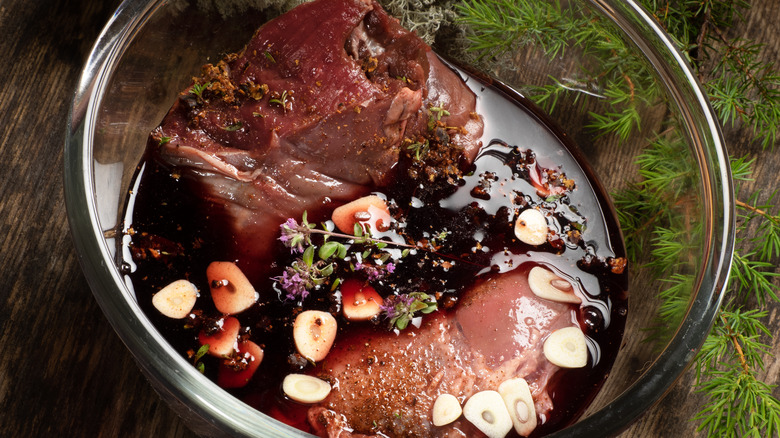
Thanks to its tannins, sugar, and acidity, another place where wine can really shine is in a meat marinade. Tannins confer both subtlety in flavor owing to their bitter qualities, while simultaneously helping to tenderize the meat. Sugar imparts both flavor and can assist with jumpstarting the Maillard reaction once the meat begins cooking, allowing it to develop a nice crust and a robust, savory flavor. Acids are also useful in tenderizing the meat, while lending a brightness of flavor that can offset other potent marinade ingredients, especially umami-rich condiments like soy sauce, miso, or Worcestershire sauce.
When using red wine for a marinade, it is best to pair it with red meat or game meat, like beef, lamb, or venison, where the dark color will not impact the visual appeal and the inherent flavor of the protein can withstand bolder, earthier flavor notes. White wines, on the other hand, can be used with lighter-colored proteins with milder flavors, like chicken, pork, or fish. Generally speaking, it is advisable to be judicious with acidic marinades, as these can easily cause the protein fibers within the meat to denature if left unattended for too long. This will result in meat that is mushy rather than tender. The sweet spot for most red wine marinades is 4 to 6 hours, while white wine marinades can do the trick within 30 minutes to an hour.
5. Add it toward the beginning of the cooking process
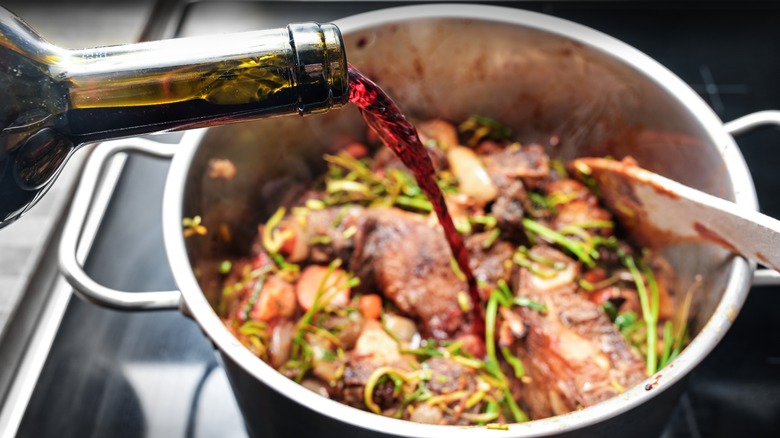
Perhaps the greatest cardinal sin of cooking with wine is adding it too late in the cooking process. When wine is added to a recipe, it requires ample time to cook off, otherwise it can taste astringent and completely ruin the flavor of a dish. To avoid this raw taste, always add it toward the beginning of the cooking process.
Giving the wine ample time to reduce also serves another purpose, namely cooking off as much of the alcohol as possible. That said, it is important to note that unless you are making a soup or stew that will cook for several hours, not all of the alcohol will be eliminated in the finished dish. It can take up to 3 hours for a majority of the alcohol used in a recipe to cook off, which means most dishes prepared with it may be unsuitable for children, those who are pregnant or nursing, or anyone who may be abstaining for any reason. Other factors that can impact the rapidity with which alcohol can evaporate in a dish are the size of the pan used, how frequently a recipe is stirred, and any other ingredients in the dish that absorb the alcohol, such as a bread crumb topping.
6. Use white wine in recipes that require added acidity
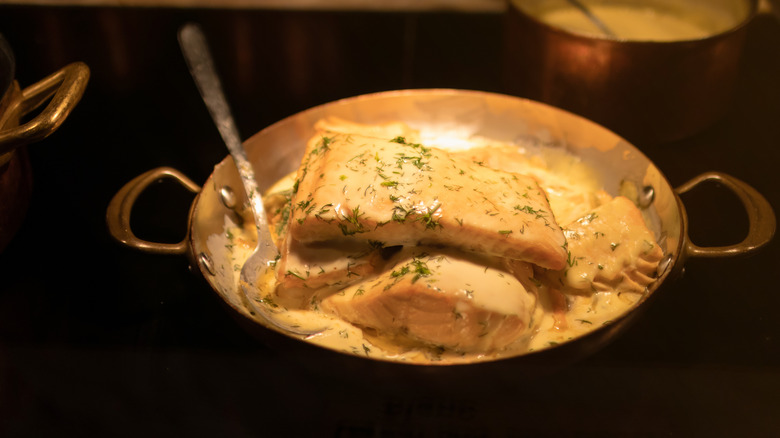
When considering what type of wine to use in a recipe, as a general rule, white wines are great for infusing dishes with a dash of acidity. This can apply to sauces, marinades, dressings, and more. It can frequently be used as a substitute for lemon juice or vinegar in recipes, though the amounts may need to be adjusted to prevent the dish from becoming overly astringent.
White wine is ideal when you are wanting that brightness of flavor without transforming the color of a dish. For example, if you happen to be making a soup or stew, use white wine to deglaze the pan; if you're making a vinaigrette for a salad, add white wine to the recipe in addition to or instead of the vinegar.
The best types of white wine to use for cooking are those that are not overly sweet. Crisp, white varieties, like a pinot grigio or a Sauvignon blanc, are fantastic. While a rich, buttery chardonnay can also work, be cautious not to use one that is oaked. Oaky chardonnays can overwhelm a dish and leave behind an unpleasant aftertaste.
7. Opt for red wines that aren't overly tannic
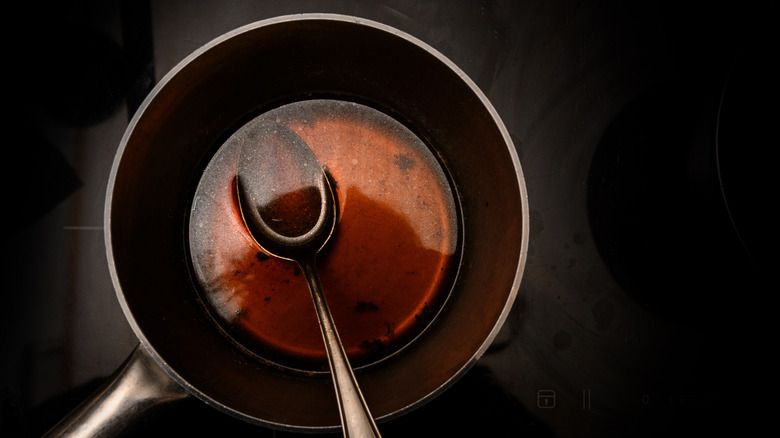
Though red wines also confer acidity, they additionally contain tannins, which can lend both flavor and act as a tenderizer for meat by binding to their protein fibers. The bitter qualities of tannins can also be something of an equalizer in recipes, resetting the palate and allowing for all the flavors to bloom. That said, some moderation is advised in selecting red wines, as going overboard with them can overwhelm a dish.
When choosing a red wine for cooking, it is best to select those that are dry and moderately tannic. These create the perfect balance of taste, while still possessing tenderizing qualities. Among the best are Old World reds, like a bordeaux or burgundy, as well as pinot noirs, merlots, and cabernet sauvignons.
Be mindful of cooking with red wine when considering the finished look of a dish. It will alter the final appearance and may not be suitable in all recipes, particularly those where you want to retain vibrant color. It is best when used in hearty soups and meat-based stews where the darker meat color is complemented by the red wine.
8. Swap the water with wine
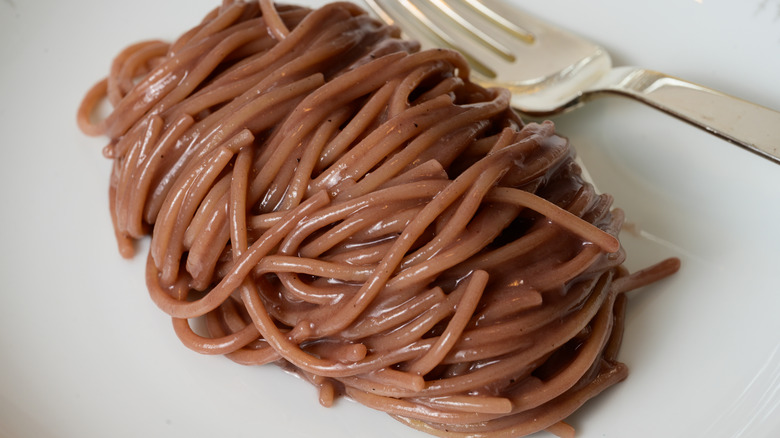
One place where cooking with wine may not seem as obvious is as an alternative to water in dishes that are steamed, poached, or boiled. In these recipes, the wine will not only infuse the ingredients with flavor, but with color. Though both white and red wine can be used for this purpose, the latter typically produces more dramatic results.
For example, if you want prettier noodles, swap the cooking water with red wine for an all'ubriaco-style pasta similar to those you might find in Tuscany. Alternatively, you can make the pasta itself using red wine. Since pasta dough requires just two ingredients — flour and water — simply replace the latter with wine and you'll discover a delightfully vibrant-hued noodle that both looks spectacular on a plate and tastes sophisticated.
Another unexpected place where red wine can be used as an alternative to water is when poaching eggs. Typically, the water is augmented with vinegar, the acidity of which helps to hold it together as it begins to cook; however, wine can accomplish the same thing while adding flavor and color that can completely transform your breakfast plate.
9. Add it to sauces to stabilize them
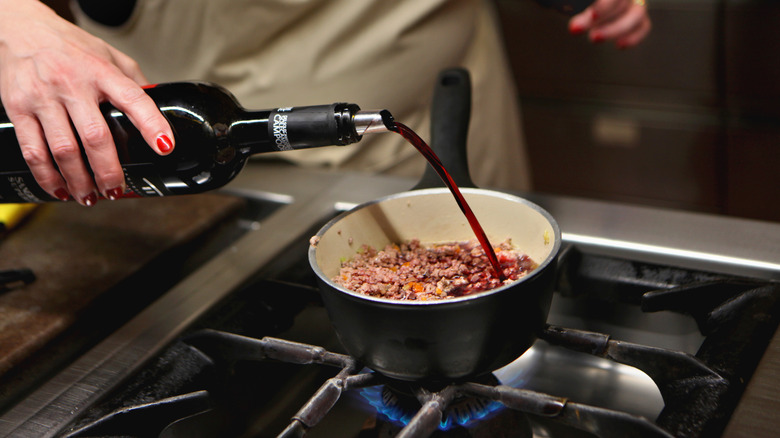
Wine is often added to sauces for both flavor and texture. This is because the acids in it can act as a stabilizer, binding the liquid to the fat and allowing for these to develop a smooth, velvety mouthfeel. Wine also dissolves fat and water-soluble compounds, which can further enhance the texture of a sauce.
One of the most obvious uses of wine as a stabilizer in a sauce is a classic cheese fondue. Any basic recipe begins with a dry white wine, which serves as the base for the shredded cheese, helping it to homogenize and melt to gooey perfection. Once the wine has simmered long enough for the rawness of the alcohol to cook out, flour is added to create a roux. This is finished with the shredded cheese before the whole thing is heated through.
Another great example of a sauce where wine acts as a stabilizer allowing for otherwise disparate ingredients to emulsify properly is a classic beurre blanc. Beurre blanc combines lemon juice and white wine with copious quantities of butter. Under normal circumstances the butter would seize, creating a sauce that is clumpy. By slowly adding the cold chunks of butter to the sauce over a low heat, the fat can dissolve delicately, absorbed by the acid in the lemon juice and wine, allowing for the whole thing to become creamy and luxurious.
10. Don't shy away from adding it to baked goods
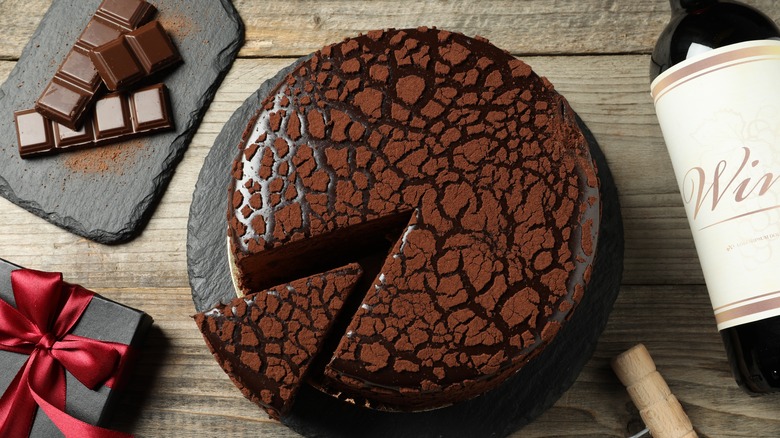
Though it may not always seem intuitive, adding wine to baked goods of all kinds — from cakes and pastries to breads and waffles — is a great way of boosting their flavor and texture. As is the case with other acidic ingredients, like buttermilk, wine can activate leaveners, producing a lighter, fluffier baked good. It can also be used to resuscitate dry ingredients or add moisture to a recipe that requires some rejuvenation
Some of the best ways to infuse wine into baked goods is by adding it to boxed cake mix, incorporating it into a pie crust, and soaking ladyfingers or sponge cake for a trifle or a spin on a tiramisu recipe. For even more spectacular results, opt for sparkling wine or Champagne. The addition of bubbles provides an extra dose of airiness that, when paired with the acidity of the wine, can revolutionize any recipe.
When using wine in baked goods, it is important to choose wisely. Selecting a varietal that can complement the flavors in the recipe is crucial. If the recipe is for a perfect apple pie or tart, for example, selecting a wine with notes of apple is critical. These include some unoaked chardonnays, Sauvignon blancs, and viogniers. For recipes that feature chocolate, fruity red wines, like a Pinot Noir, and sweeter whites, like a riesling, are always a good bet.