

The Lesser-Known Fruit That Looks Like A Tomato But Tastes Like Honey
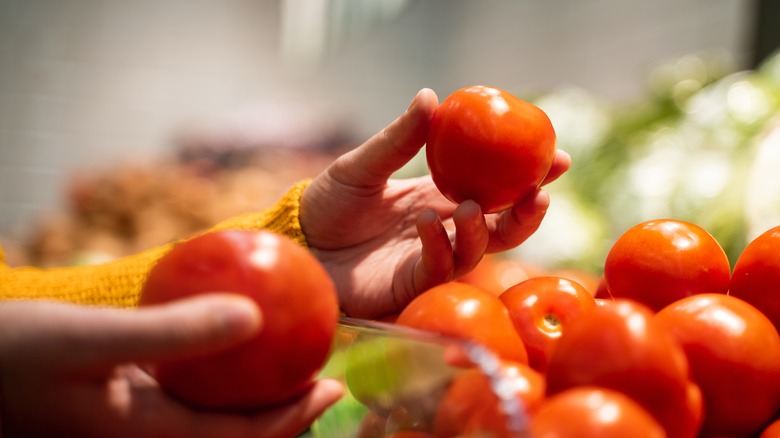
They sit in crates resembling tomato cousins that lost their way, round and glossy with that same easy confidence. The color only adds to the trick. At a quick glance, they seem destined for quickly prepped salads or sandwiches. Then the first bite settles the confusion. This is not a tomato. It is a softer, quieter fruit with a sweetness that sneaks up instead of shouting. When it ripens it drifts into honey territory, warm and mellow like late autumn hiding inside a single bite. Only then does the persimmon show its true self.
There are two main types that show up in stores. One is the squat, cheerful Fuyu. It holds shape when firm and crunches softly. The other is the Hachiya. It is taller, pointier, and behaves like an opera singer who refuses to perform until it reaches full ripeness. Before ripeness, the Hachiya tastes sharp enough to make cheeks cave inward. Once it softens to the point that the skin feels ready to burst at the slightest touch, it turns into a spoonable pudding that tastes like homemade hot honey and fruit custard.
The strange glow of a ripe persimmon is not only a visual cue, but also a little warning that the fruit has found its moment. A ripe Fuyu feels like a peach that is trained to stay sturdy. A ripe Hachiya feels like a balloon full of jam. Both varieties turn simple snacks into soft, bright corners of sweetness that land with the quiet confidence of something that knows it does not need a marketing campaign to impress. This is old-fashioned fruit magic that still feels new every winter.
Persimmons are the honey-kissed tomato lookalikes that deserve a spot in the kitchen
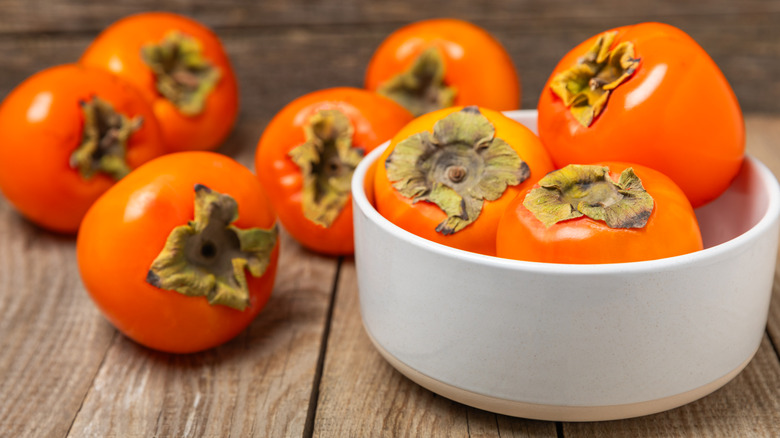
A good persimmon transforms when handled with a little respect. A Fuyu can be sliced into wedges and eaten like a crisp pear. It does not argue with salads, yogurt, or cheese boards. It adds color, gentle sweetness, and the distant echo of something floral. Hachiya, once softened, turns into a rich pulp that can travel directly into cakes, muffins, or even a quick dessert that comes together in the time it takes to find a spoon. The pulp carries honey notes without the stickiness, a trick that bakers understand the moment they taste it.
Persimmons also reward patience. Leave them on the counter and they slowly turn from bright and firm to soft and almost molten. They do not need your favorite maple syrup or those uncommon spices to prove their charm. They already taste like nature tried to engineer candy without involving sugar. Even the texture feels intentional. Fuyu gives a crisp bite that stays calm. Hachiya collapses into a silky mess that drips off spoons like an apology for its own unruly ripening schedule.
The fruit also shines in unexpected places. Thin slices over morning toast can turn breakfast into a small celebration. A few cubes in a grain bowl offer contrast between earthy flavors and golden sweetness. Even plain, eaten over the sink with juice threatening to run down the wrist, a ripe persimmon feels like a tiny act of self-care. Winter may insist on gray skies and cold air, yet this tomato lookalike keeps arriving with the sunny confidence of a fruit determined to remind people that sweetness is still in season.