

5 Tips You Need For An Even Better Tuna Melt
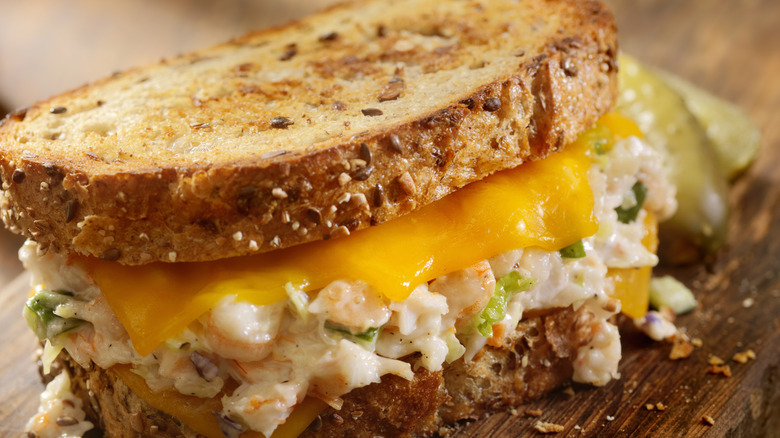
No one knows exactly when or how the tuna melt originated. Popular origin stories put its genesis anywhere between 1920 and 1965. What is not in dispute, however, is that the tuna melt has been an iconic sandwich going back decades. At its simplest, all you need for a tuna melt is a can of tuna, mayo, spices, bread, butter, and cheese. American and cheddar are standard, but there's nothing wrong with doing a little experimenting and trying a new cheese on your melt. Anything from a creamy Brie to a rich and flavorful Parmesan are valid options.
But the basic ingredients list is just the beginning. Chowhound spoke with Ian Fujimoto, a content creator and former teacher, to get his top tips on building a better tuna melt. He walked us through how to maximize every ingredient, from tuna to cheese to bread, along with the best preparation methods.
Choose your tuna wisely and drain it well
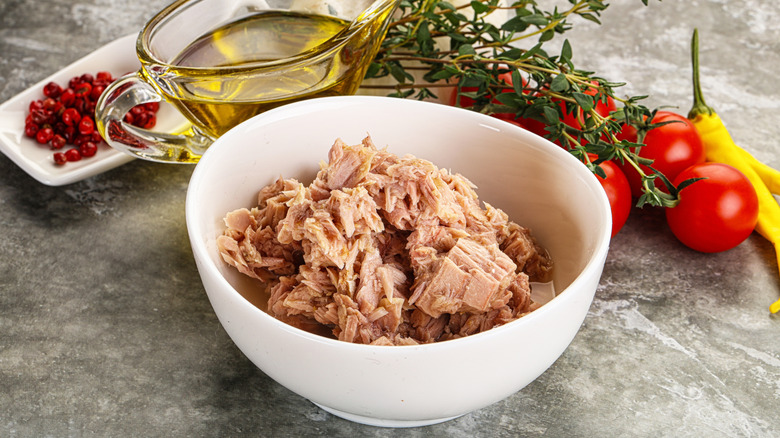
The first and most important step to achieving peak tuna melt is to buy good tuna. "This is not the time to go for the cheap no-name cans," said Ian Fujimoto. "You want to splurge for a nicer quality canned tuna." He also advises choosing a tuna canned in water rather than oil, to minimize grease. Chowhound ranked 14 canned tuna brands — and in our opinion, Ortiz, Tonnino, and Wild Planet are good brands to consider.
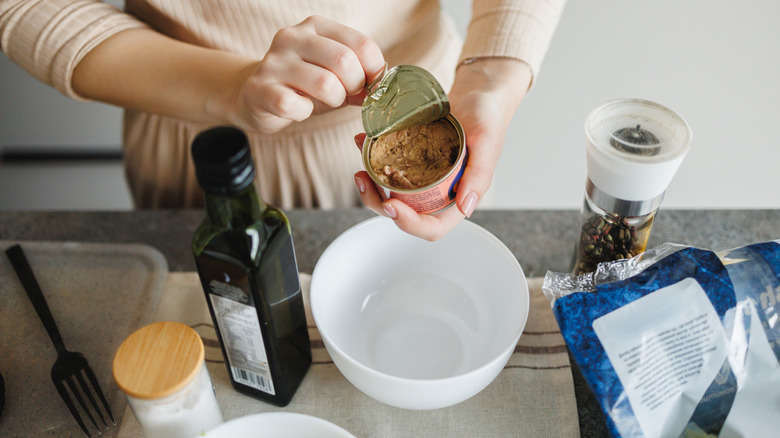
Once you've selected your tuna, you'll want to drain it thoroughly to keep your mix from becoming soggy. "I know that it sucks and you will probably end up with tuna water on your hands, but it's worth it to avoid a soggy sandwich," Fujimoto said. When you've removed the excess moisture, you'll want to break it up a bit before adding the other ingredients. "It doesn't need to be fully shredded, but you also don't want any large chunks," he explained.
Add some crunch and season your tuna mix thoughtfully
While a very basic tuna melt mix could be made with just tuna, mayo, salt, and pepper, we're not going for basic here. Ian Fujimoto highly recommends adding onion or celery to make sure your mix has some crunch mixed in. Other recipes may call for pickles, too. Once you've tossed in your diced ingredients, Fujimoto says it's time to add the mayonnaise and any pickle relish or Dijon you might feel like incorporating. This should be done gradually, he emphasized, explaining, "You want to do it little by little so you don't end up with a tuna mixture that's too wet."
Finally, season your mixture with salt and pepper. While you don't want to be too heavy-handed with the condiments, Fujimoto recommends a fairly liberal hand when it comes to adding salt. "Don't be scared, salt is good," he said. Other seasonings to consider include garlic and onion powder, or Tabasco sauce if you like a hint of spice.
Opt for a sturdy bread
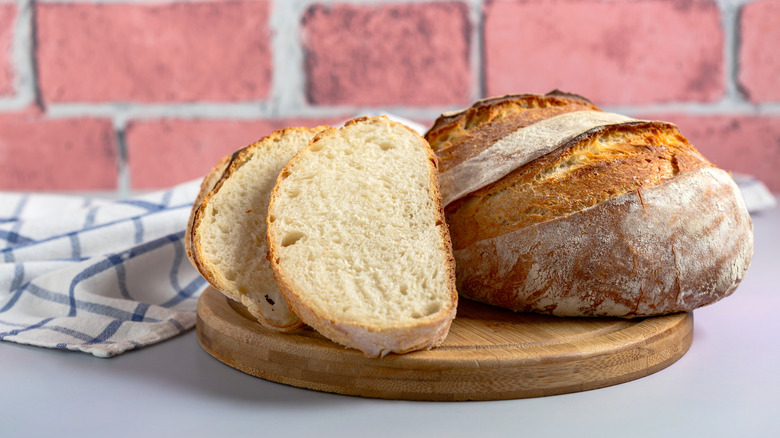
While some tuna melt recipes may call for classic white sandwich bread, this isn't going to be the best choice. The weight and liquid content of the tuna melt mixture could cause more delicate bread to crumble apart, making it difficult to eat without a fork. "This isn't the time to grab the sandwich bread or brioche. You want a sourdough or a baguette," said Ian Fujimoto. Even thinner slices of this sturdier bread should hold up to the weight of the tuna, he explained. You could even make an unforgettable tuna melt with an English muffin for a brunch-inspired twist.
Tuna melts are typically associated with diners and delis, but you could give it a fancy and indulgent upgrade by using a croissant. Because croissants are so rich, you may want to consider adding a brighter flavor like lemon zest, cilantro, capers, or pickled onions to cut through those unctuous notes.
Double up on the cheese
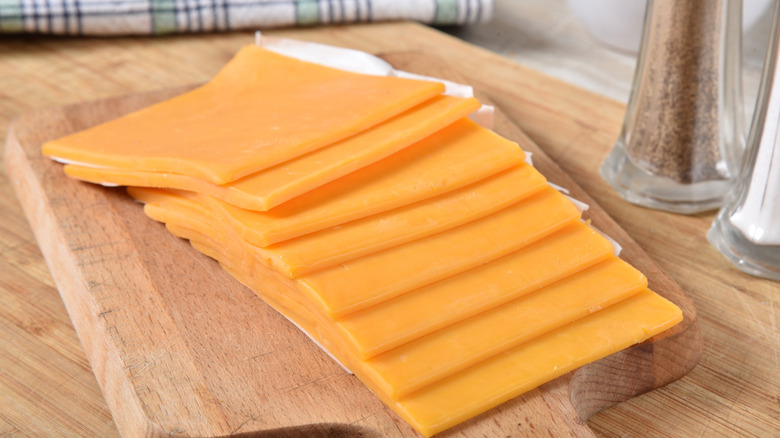
We mentioned earlier that your tuna melt is a good chance to experiment with different varieties of cheese, but Ian Fujimoto takes it a step further by suggesting using two separate cheeses to maximize both flavor and texture. When selecting these, he would choose one with a softer, meltier consistency (semi-hard cheese, like Gruyère, counts too) and one that's harder, like an aged cheddar. (In contrast, a mild cheddar is softer and great for melting.) "This [pairing of textures] gives a nice balance of melting from the soft and the sharper flavor from the hard," Fujimoto explained. If you're "feeling fancy," he added, you could even opt to mix shredded cheese into the tuna mix itself.
Whether you opt for one or two types of cheese, make sure to put one slice on top and one on the bottom to keep the bread from getting soggy, he advises. This is especially relevant if you're using a bread with more holes throughout it, as the cheese can provide a barrier to stop the tuna mix from seeping down through the bread.
Don't rush the cooking process
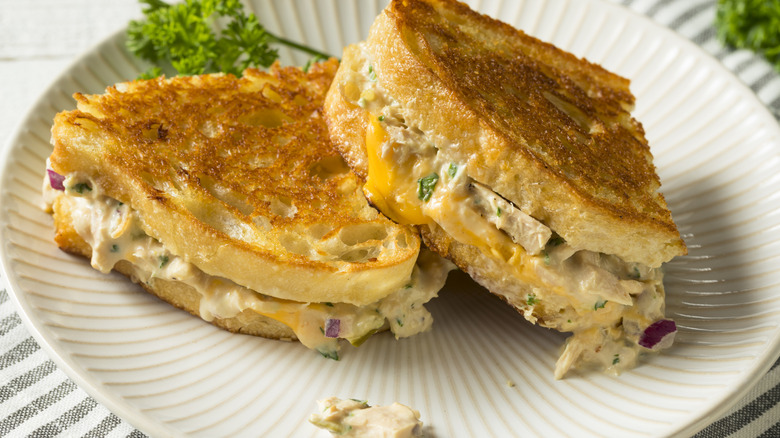
Now that you've brought together all the ingredients for a perfect tuna melt, it's time to cook it. Even with optimal cheese, tuna, and bread, if you don't cook it well, you could still end up with a soggy, disappointing sandwich. The ideal tuna melt texture is a crisp exterior and gooey interior. To achieve this, Ian Fujimoto said, "You want to cook it low and slow. This will give the cheese time to melt, while the bread slowly crisps up in a thin layer of butter." You can even toast both sides of the bread for an even crunchier bite. Don't forget to butter them first to achieve that beautiful, toasty brown color.
Some tuna melt fans have reported success cooking theirs in the air fryer. If you're worried about the cheese blowing off, try melting it slightly onto the sandwich in the microwave before placing it in the air fryer, or using toothpicks to hold it in place. This may not be the traditional way to cook a tuna melt, but it is an option if that is easier for you. And assuming all your other components are top-notch — the perfect bread, seasonings, and cheese blend — you'll likely find the results just as delicious.