

8 Foods You Thought Were High In Protein (But Actually Aren't)
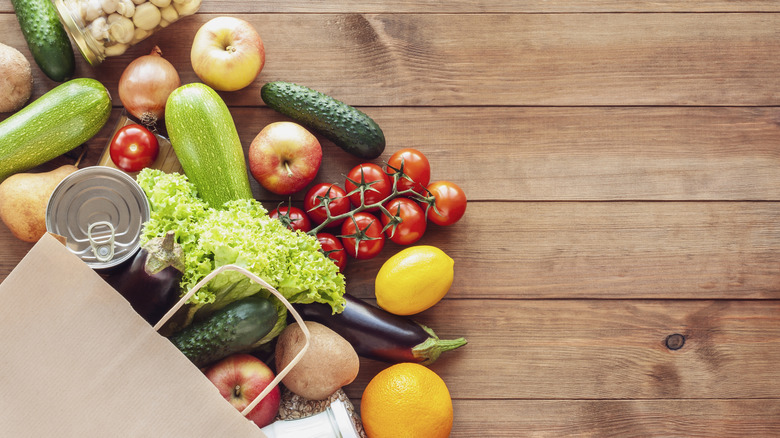
Getting enough protein in your diet is essential for a balanced plate and optimal bodily functioning. There are several reasons you might want to increase your protein uptake, whether for building muscle and strength, boosting metabolism, or staying satiated after a meal (yep, low-protein meals can leave you feeling hungry after eating). While some look to upgrading their protein shakes as a fix, others are keen to include a larger amount of high-protein foods.
To differentiate between what is a high-protein ingredient and what is significantly less, you can consider high-protein to be over 10 grams per serving, a moderate amount of protein to be 4 to 9 grams per serving, and a low amount of protein to be less than 4 grams per serving. Whether you're new to the world of protein or want a refreshed perspective, we investigated the top foods that aren't actually as protein rich as you may have assumed.
Protein bars
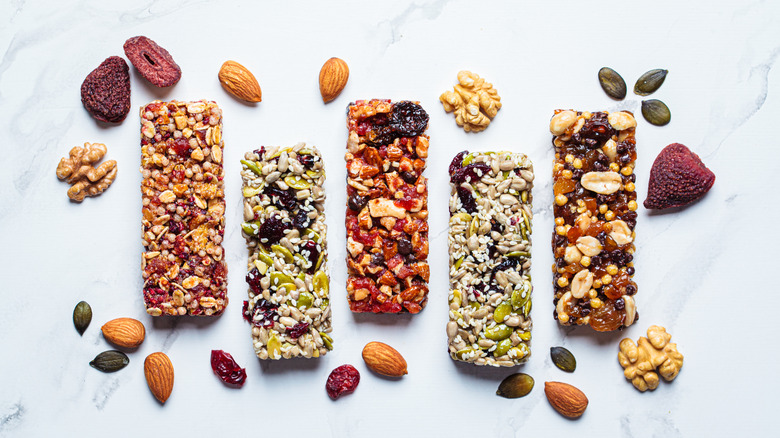
Don't be deceived by the name of this go-to food item; protein bars are not always as protein-dense as you have been led to believe. While some can offer over 20 grams of protein (and tick the boxes as some of the best high-protein bars), spend a little extra time scanning the nutritional information on the label before accidentally picking a low-protein option. For example, one popular bar — Kind Breakfast Protein Peanut Butter Banana Dark Chocolate — offers only 8 grams of protein per serving.
Eggs
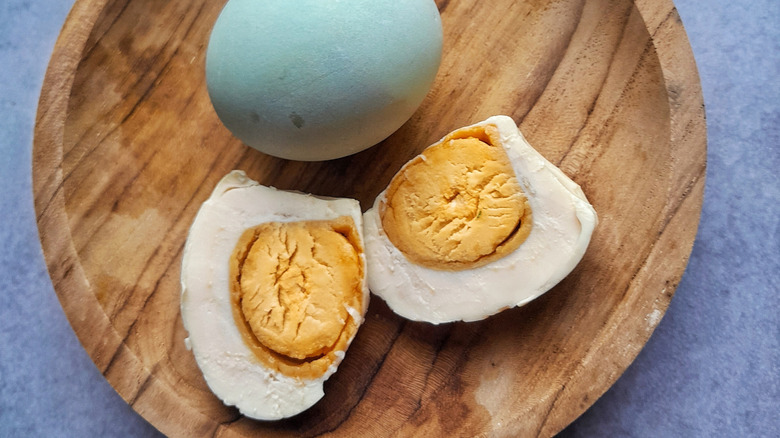
Eggs are another over-hyped food which aren't technically that impressive for those conscious of their protein intake. While eggs do contain some protein, it's nowhere near as high as other options. For example, a large egg provides 7.5 grams of protein while a very large egg offers 8.7 grams of protein. Generally, there is more protein in egg yolks than egg whites. But, since the whites make up most of the egg, that's where you get most of your protein.
Spinach
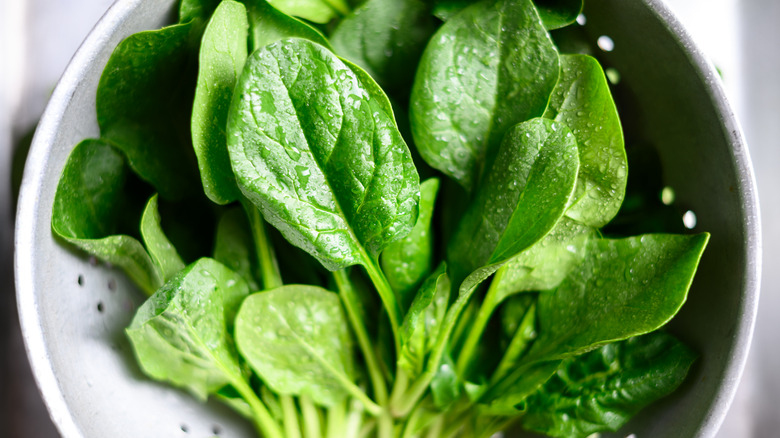
A cooked cup of spinach is not as reliable a protein source as you may have hoped if you are on the lookout for high-protein vegetables to incorporate into your diet. One serving of these cooked leafy greens offers less than 3 grams of protein. If you prefer your spinach raw in green juices, smoothies, or salads, a 100-gram serving of raw spinach offers the same amount of protein.
Peanut butter
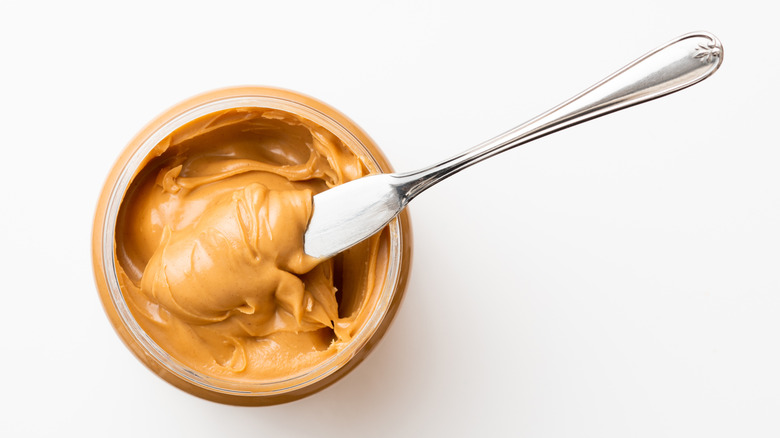
Peanut butter is thought to be among the more protein-heavy snacks. In reality, it doesn't offer nearly as much as you may have expected with 2 tablespoons of peanut butter consisting of just 8 grams of protein. Other more protein-heavy nut butters are almond or cashew, especially in their raw or organic forms. It might be time to do a quick swap if you want to prioritize your protein intake. You can also make your own homemade nut butter and it can be just as creamy and yummy.
Hot dogs

Hot dogs have become one of the nation's favorite dishes with Americans eating more than ever before. Despite their popularity, hot dogs are not the best protein source out there for meat-eaters. The humble hot dog doesn't offer much protein with one serving providing a slight 5 grams, making it lower than other high-protein meats.
Canned sardines
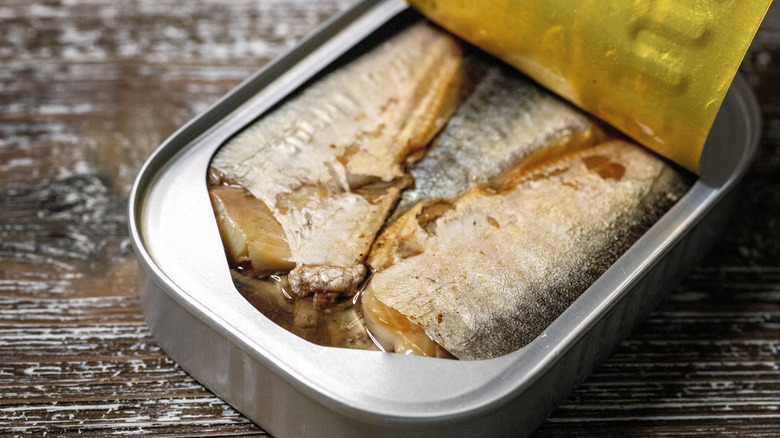
You can't go wrong with fish when you want to switch up your protein source throughout the week. A go-to post-workout meal might be a hearty bowl of saucy tomato and sardine pasta or sweet potato-stuffed sardines. These satisfy your hunger, but, in reality, sardines aren't much to brag about protein-wise; tinned sardines provide you with just 7 grams of protein per 1 ounce serving.
Bacon
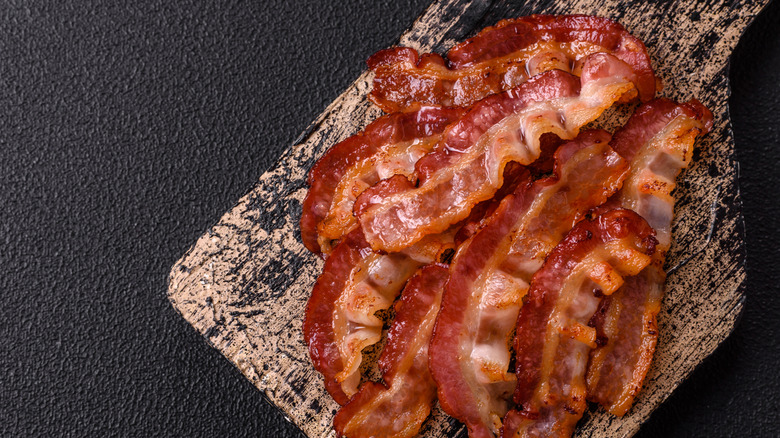
Fresh, crispy fried bacon is a mood booster for some diners, but it can't pass as a rich protein source. Yep, even though bacon serves as a key part of a cooked American breakfast, it isn't at all one of the highest sources of protein to choose from. In fact, a single slice of cooked bacon provides only 2 to 3 grams of protein.
White rice
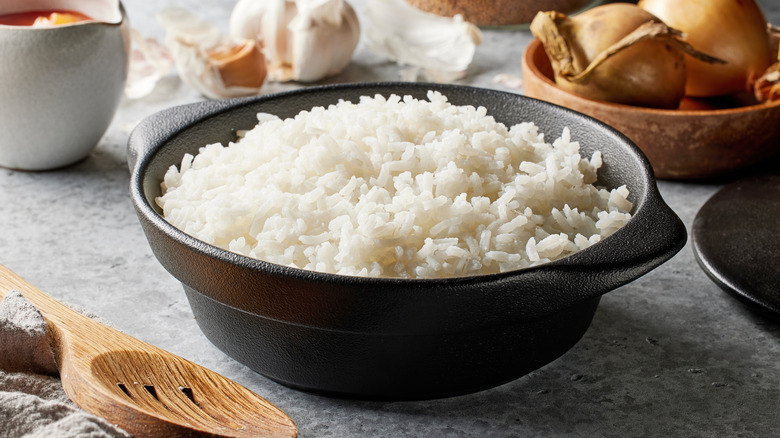
Rice is a staple in most cupboards since it is affordable, filling, and the backbone of many cultures' dinner. While white rice and beans are considered a quality and reliable combination to up the protein, it turns out that rice isn't the greatest protein source. In fact, the grain is so low in protein that a ½ cup serving offers only 2.5 grams of the macronutrient. An alternative grain to try is quinoa, which has almost 2 grams more protein than rice (4.4 grams per serving when cooked).