

The Unique Way Trader Joe's Sources Its Coffee
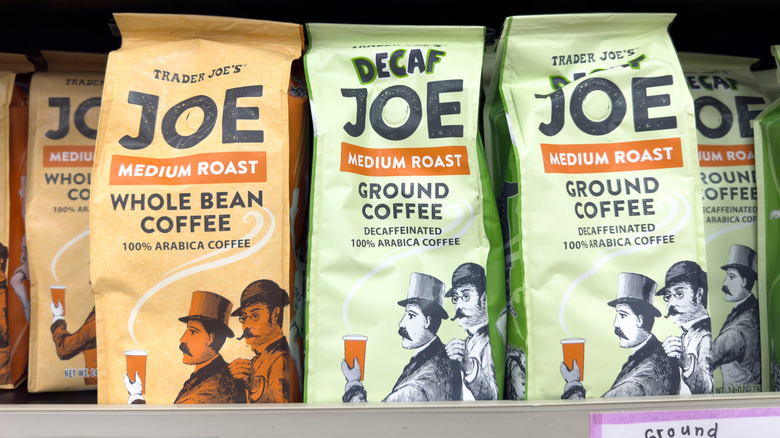
From cold brew concentrate to ready-to-drink espresso, there's no shortage of coffee options to choose from at Trader Joe's. While there are plenty of popular choices, the brand's wide variety of coffee beans has been gaining traction for the unique way the brand sources them. Instead of purchasing from large farms, Trader Joe's abides by something it calls the Small Lot Program. This is the company's name for its partnership with the eight small farms it sources its beans from. The coffee for this program comes exclusively from the bean belt region of the world, which extends across the tropics and includes countries in the Caribbean, Central America, South America, and Africa, creating a broad spectrum of flavor profiles based on the country where the beans were grown.
These one-of-a-kind beans can require a little more patience and flexibility from consumers than the usual mass-produced beans. Whereas large farms have access to more space and modern equipment, which help them produce beans at a faster rate, small producers tend to have less space and mechanization, meaning once the annual harvest is done, there will be no more of that bean available until the following year. One coffee tree can take three to six years to grow, and then only produces around 2 to 3 pounds of coffee. This means Trader Joe's coffee fanatics will have to wait a long time for their favorite coffee to restock. Still, for those who appreciate a flavorful, small-batch bean, the wait is worth it.
How Trader Joes finds small coffee producers
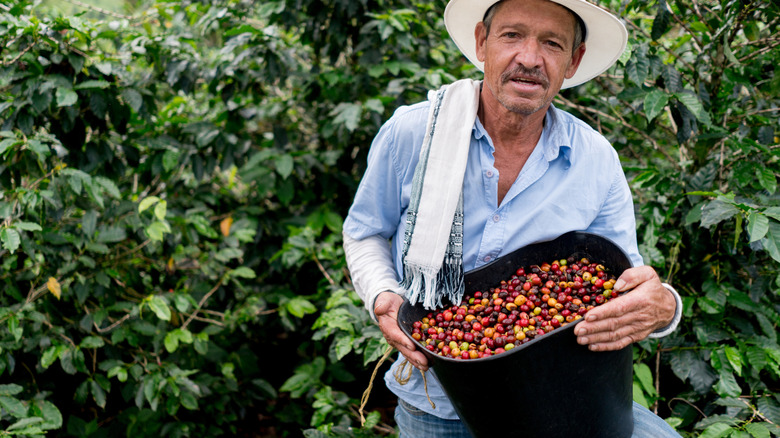
Trader Joe's makes it a practice to seek out small farms in remote areas of the coffee-growing regions of the world. When certain types of coffee are in high demand by customers, the company sends coffee scouts out to the coffee belt to find potential producers. These scouts then bring back beans for taste testers to try, and if the bean is a hit, Trader Joe's will buy the farm's entire production for the year.
There's just one catch for the coffee enthusiasts who fall in love with these small lot coffees: Not only will they have to wait another year for more from the same producer, but even then, it won't be guaranteed that the same bean will deliver the same flavor. There are just too many factors that can affect the flavor of beans produced on small farms, including the amount of rain the region gets, the altitude at which the beans were grown, and the health of the soil. While some of these factors can be controlled, others cannot, especially as climate change presents more challenges to farmers around the world.
So, if you find a bag of Trader Joe's small lot program coffee that you love, it might be a good idea to stock up while you can. Roasted coffee beans can stay fresh for up to a year in a sealed bag, so why not?