

The Chilling Reality Of Listeria Contamination In Frozen Foods
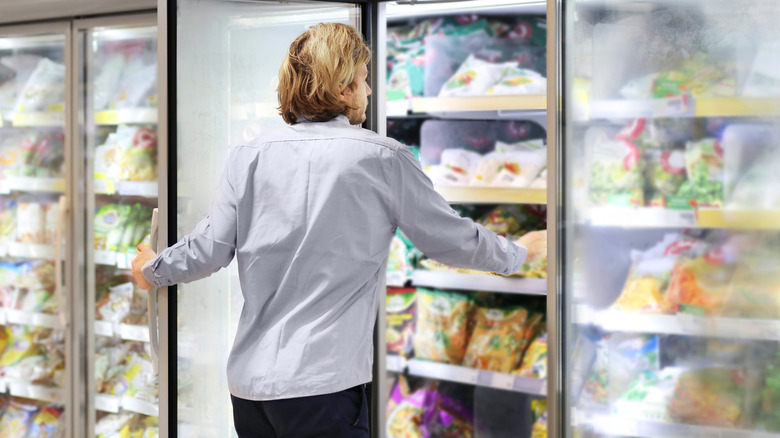
It's easy to understand the importance of washing fresh produce and following standard kitchen safety rules when cooking with raw meat, but we don't typically think of frozen foods as hotbeds for bacterial contamination. Recent studies, however, have shown that listeria bacteria have the ability to live on frozen foods — including vegetables and hot dogs — during long-term storage. Listeria is a genus of bacteria, and Listeria monocytogenes is a particularly harmful pathogen described by the Food and Drug Administration as "a type of disease-causing bacteria that can be found in many places, including soil, water, sewage, rotting vegetation, and animals."
Freezing food doesn't kill most bacteria on it, but doing so can hinder bacteria from multiplying. What makes listeria so dangerous is its ability to multiply in temperatures exceeding 0 degrees Fahrenheit (the average home freezer temperature). The bacteria can spread through water, dirt, and even open air, making it easy for contamination to occur during food processing. Symptoms of non-invasive listeriosis (listeria infection) include gastrointestinal symptoms, muscle aches, and fever. Invasive listeriosis is far more serious and can cause convulsions and death, especially in vulnerable populations.
There have been several frozen food listeria recalls in 2025 related to the consumption of pre-prepared frozen pasta meals, affecting foods from various brands, including Walmart's Marketside brand, Trader Joe's, Home Chef, and Sprouts Farmers Market. Ready-to-eat deli salads from Kroger, Giant Eagle, and Albertsons have also been found to contain listeria. If you think your food is at risk, play it safe — the freezer can't save it.
Important food safety rules to keep in mind when using frozen foods
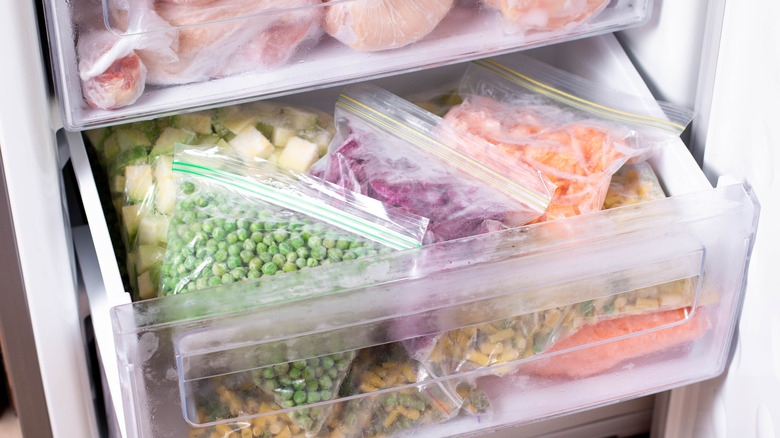
While it can be scary to think that some of the items in your freezer could be contaminated with listeria, there are steps you can take to keep you and your family safe. First, discard any recalled foods right away. These alerts are more common than you think: In 2024, Aldi recalled soft cheeses and Trader Joe's recalled bagged salad due to listeria risks. However, following simple food safety tips can help reduce the likelihood that you or your family members could contract listeriosis or other conditions related to foodborne bacteria.
Heating certain foods — such as sprouts, deli meats, and queso-fresco-type soft cheeses — until they're steaming hot (at least 165 degrees Fahrenheit) can help eliminate listeria. Staying away from ready-made, grocery-store deli foods (such as potato salad or chicken salad) and bagged salad mixes can also help you stay safe. Choosing pasteurized over raw dairy products can also help reduce your likelihood of eating a food contaminated with listeria.
While most people clear minor listeria infections in a few days, this isn't always the case for those who are more vulnerable to infection. People who are pregnant, have a weakened immune system, are over the age of 65, or young children are all at a higher likelihood of developing a more severe case of listeria. If you're a member of one of these groups or caring for someone who is, stay up-to-date on infections by checking the FDA's Recalls, Market Withdrawals, & Safety Alerts website.