

Is Regular Old Water Actually Good Enough For Rinsing Fruits And Veggies?
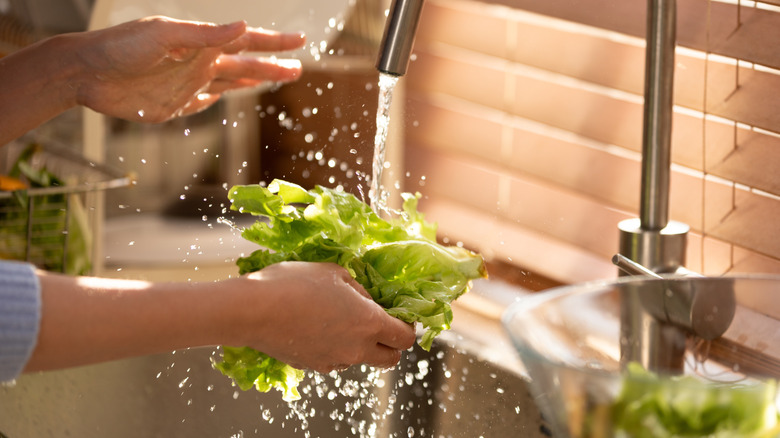
When you come home with a bagful of produce from the market, it can be tough to figure out exactly what to do to help it stay fresh and ensure that it's thoroughly clean. From vinegar washes to cleaning produce with baking soda to straight-up water, you have options. Katie Sabatini, RD, LDN, and food safety and quality assurance manager at Little Leaf Farms, spoke exclusively with Chowhound to share her tips on ensuring that your produce is super clean. Generally, plain water is usually all you need to take your fruits and veggies from the grocery bag to a ready-to-eat state.
"For most fresh fruits and vegetables, rinsing under clean, cold running tap water is sufficient, as the action of rubbing the surface while rinsing removes dirt, bacteria, and pesticide residues," says Sabatini. Before you get to scrubbing, however, make sure your hands are clean. Sabatini recommends washing your hands for at least 20 seconds before you start scrubbing your produce to lessen the likelihood of spreading bacteria to fruits and veggies. The soap should stop on your hands — otherwise, you might end up with some soapy-tasting greens. "Produce is porous and can absorb soap, bleach, or other household cleaners, making them unsafe to eat," says Sabatini.
If you prefer to use a produce wash, try a DIY version
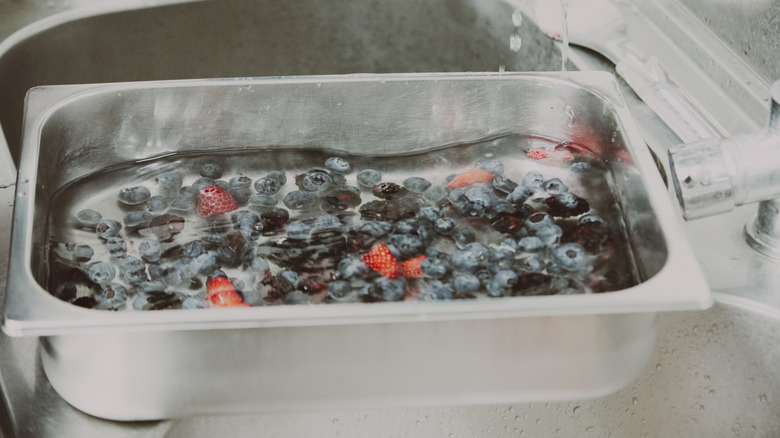
Water and some scrubbing are the best fit for most fruits and veggies, advises Katie Sabatini. If you're concerned about pesticides or simply prefer to wash your produce with something more than just water, do a vinegar wash the right way to fully clean your produce and remove any leftover vinegar residue. Sabatini recommends using a homemade vinegar solution, made up of three parts water to one part white vinegar.
Allow your produce to soak in the vinegar wash for a few minutes, then rinse thoroughly with clean water afterward to avoid an acidic vinegar taste on your produce. While water is generally her go-to method, Sabatini says that it's a smart choice to wash "dirty dozen" produce — items including strawberries, grapes, and spinach that the Environmental Working Group has identified as having higher levels of pesticide residue than other items.
Looking for super clean, super fresh greens? Here's what you need to know
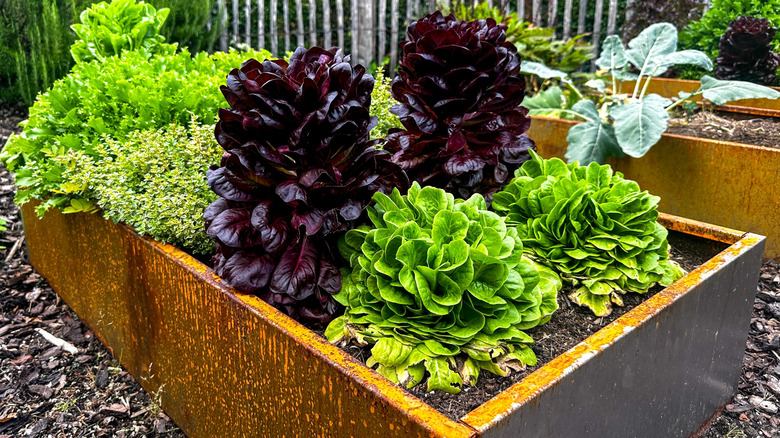
"Triple-washed" bagged salad greens are a bit misleading when it comes to washing vegetables. Katie Sabatini warns that while this claim may initially seem reassuring, it's often used to cover up a not-so-great origin story for greens. "Labels like 'triple-washed' are generally used by field growers to put a positive spin on the fact that the greens must be washed due to lack of control over their growing process," she says, adding that triple-washing doesn't necessarily guarantee that your greens are free from pesticides and pathogens. "If the proper steps are not taken throughout the growing process and that control is lost, wash water contamination can easily occur before the greens ever reach your refrigerator."
To get the freshest greens possible (that don't need to be washed before eating), Sabatini recommends considering leafy greens grown indoors using Controlled Environment Agriculture (CEA) technology. When greens are harvested using CEA practices, they're never treated with chemical pesticides, and they aren't touched by human hands. If you do choose conventionally grown lettuce, stick with the same washing techniques you'd use for other produce — give it a good rinse with cold water. Then, dry the leaves thoroughly with paper towels or a salad spinner, and you'll be good to go.