

Don't Plant Your Vegetable Garden Before Considering This Important Aspect
We may receive a commission on purchases made from links.
When planning a vegetable garden for the best haul, there are certainly some things to keep in mind. You need to set up a good garden layout, so you're not wasting space or crowding plants. There are definitely certain veggies and greens that give you more return per square foot. But what are the first things you should keep in mind when designing your garden, whether you have a lot of space or just a little? For some help on creating a garden that's right for you, we reached out to an expert for a Chowhound exclusive. Lara Hermanson, licensed landscape contractor and the principal and co-founder of Farmscape, says it's all about what you're going to use.
Hermanson says, "Your eating habits should be the first thing you think about. That's how we approach every seasonal planting design with our clients. We talk about what they've been cooking, what's been a hit, and what they're excited to try next." She goes on to say that there's no reason to plant something you wouldn't normally eat. Plus, you'll take more care of a garden that has ingredients you already like to cook, and you'll be enthusiastic to watch them grow. "And when your garden reflects what's actually on your plate," Hermanson adds, "you're more likely to use what you grow and less likely to waste food."
More expert advice on setting up your home vegetable garden
How much area you have to dedicate to your vegetables, how much time you can put in, and what climate you live in will also be big factors in your garden. "Time and space are big ones," Lara Hermanson says. "Be realistic about how much time you can spend tending your garden. Some crops need daily care, while others are low maintenance." You also need to consider how much sunlight your garden will be receiving. Greens and herbs will be okay with less sunlight, but things like tomatoes and peppers will require much more sun. "If you travel often," she says, "look for hardy plants or set up a basic irrigation timer." For easy-to-install irrigation, you can try an Eden Multi-Adjustable Above Ground Sprinkler System. But, beyond that, there are a number of ways to prepare your garden if you're going on vacation, such as strategically cutting back flower heads and knowing what pests might be lurking.
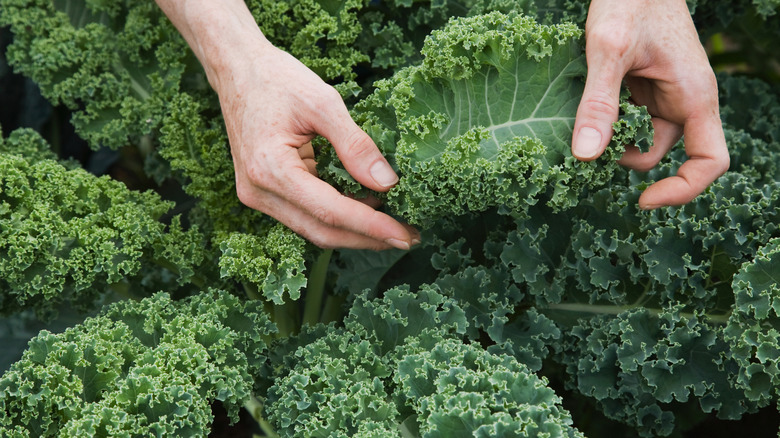
If you're just starting out, Hermanson says, "Three to five different crops is a good place to start. It gives enough variety to stay interesting without becoming overwhelming." She recommends planting veggies that require a similar amount of water and light to keep it relatively easy. After the first season, you can add a bit more, as you learn how to grow. And for the total novice, she says, "Lettuce, kale, chard, radishes, and green beans are all great starter crops. They grow quickly, produce well, and are easy to care for. Cherry tomatoes are another favorite because they're reliable and rewarding. Most people find early success with those."