

How Fresh Are Frozen Shrimp?
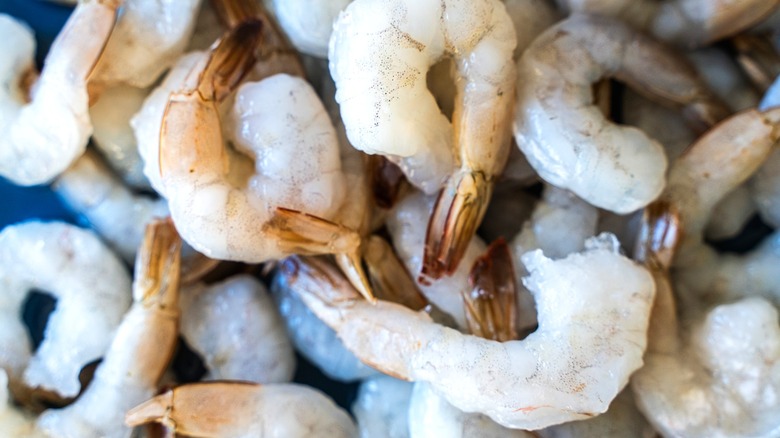
"Fresh" isn't always better, at least when it comes to seafood. It turns out that frozen fish can be better than unfrozen when it comes to actual freshness and quality, so much so that you don't even have to thaw it when cooking. This holds true for frozen shrimp as well (although you probably shouldn't skip thawing shrimp) — according to experts, frozen shrimp are actually often fresher than shrimp that have never been frozen. Chowhound recently confirmed this in an exclusive Q&A with Robert DiGregorio, also known as Bobby Tuna at New York's legendary Fulton Fish Market, where he serves as its director of seafood quality.
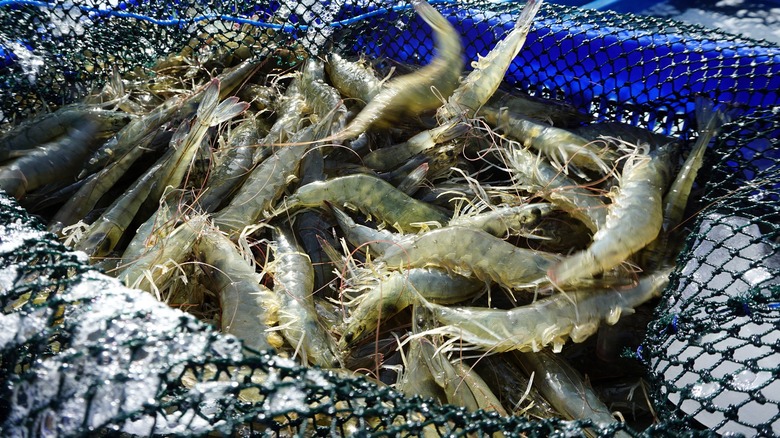
"Shrimp are typically processed very quickly after they're caught, though the timing depends on where they're being harvested. Larger vessels that fish offshore in deep water process and freeze shrimp right on board within hours of the catch," he explained. Boats that fish closer to the coastline don't process their catch onboard. Instead, they typically submerge the shrimp in ice or an ice slurry for the day or so it takes to return to shore. The shrimp are then cleaned, sorted, and frozen at a processing plant.
"The issue with never-frozen, so-called 'fresh' shrimp you see at the seafood counter or pre-packaged at grocery stores is that you never really know how long they've been out of the water — and they have a very short shelf life, starting to decline in quality after just a day or two," he added. Because raw, unfrozen shrimp only lasts about a couple of days even when refrigerated, it's best to use them as soon as possible. As DiGregorio said, there's no telling how long they've been on display, so cooking them immediately is likely your safest option.
What to look for when buying frozen shrimp
To get the best-quality frozen shrimp, Robert DiGregorio recommended taking a closer look at the label. Aside from skipping shrimp that list anything other than "shrimp" or "water" as ingredients — additives like sodium tripolyphosphate, for example, can make the shrimp look fresher than it actually is — you'll want to look for symbols that identify the shrimp as clean and sustainably sourced. The Marine Stewardship Council (MSC) label indicates that wild-caught shrimp are from a certified sustainable fishery, while the Best Aquaculture Practices (BAP) and Aquaculture Stewardship Council (ASC) labels means farmed shrimp were raised according to responsible and environmentally friendly standards.
You can also look at the shrimp itself through the packaging; one of the worst red flags for frozen shrimp is also one of the most visible. "If you can see the shrimp through the bag, check for ice crystals — a sign of freezer burn or temperature fluctuations," DiGregorio explained. Signs like these often mean that the shrimp has deteriorated, giving you a lower-quality product.
If everything looks fine, pay attention to your nose when you open the package. There's a telltale smell that frozen shrimp has gone bad, along with other signs. "When you open the bag, the shrimp should smell clean and fresh. If you smell ammonia or chemicals, don't eat them. Once thawed, if the shrimp feel soft or mushy, discard them. You'll thank me later!" DiGregorio said.
Is it still safe to buy unfrozen shrimp?
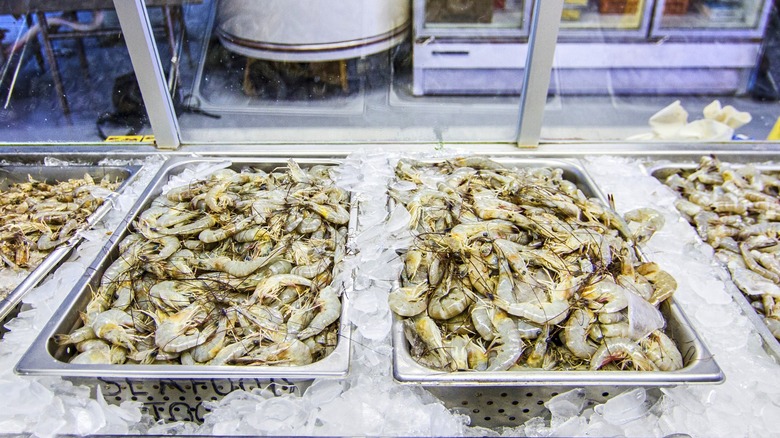
While frozen shrimp may be superior in freshness, this isn't to say that you should avoid unfrozen ones altogether. Robert DiGregorio shared, however, that you're unlikely to find any that's never touched a freezer. "Very few retailers sell shrimp that have never been frozen. Fresh shrimp spoil quickly, and since most shrimp are imported from Asia or South America, freezing is the only way to preserve quality during transport," he explained.
"Most retailers thaw frozen shrimp to display in their fish case, which is fine, but a trusted fishmonger will be honest about whether the shrimp were previously frozen," DiGregorio added. If you have any suspicions, you can always check for signs that the shrimp aren't as fresh as they're made out to be. Aside from the ammonia-like or chemical odors DiGregorio warned about, you'll want to avoid shrimp with meat that appears slimy or discolored. The shells themselves should look shiny, clean, and moist, and they should feel firm to the touch. You won't have to worry as much when buying your shrimp frozen, so it's generally still the safer option.
Even if buying fresh shrimp at the grocery is a mistake most of the time, however, they're less likely to have been processed in other ways — which means there's one benefit they have over frozen ones. While you'll probably be cleaning and deveining the shrimp yourself, you might find a bonus ingredient that you typically won't encounter in the frozen kind: shrimp roe. There are quite a few ways to cook with shrimp roe, so consider yourself lucky if you find some in your fresh shrimp.