

Hardwood Floors In The Kitchen Are Out, And This Stunning Alternative Is In
We may receive a commission on purchases made from links.
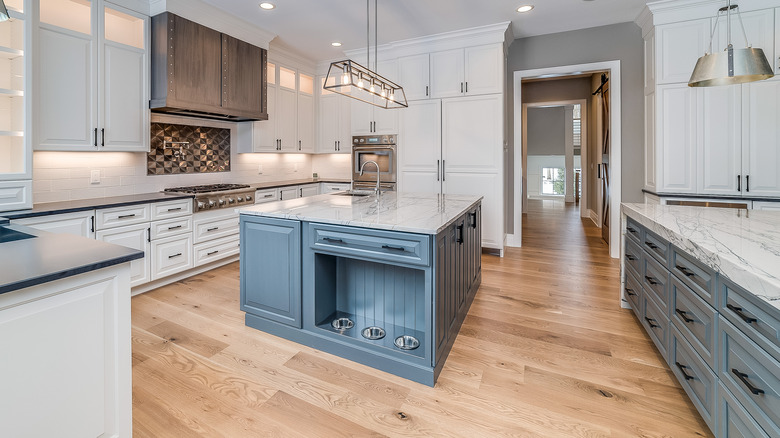
Hardwood floors are a classic flooring choice for homeowners, mainly due to their timeless aesthetic, luxurious appearance, and long-lasting durability when properly maintained. This material does have some drawbacks, however, particularly in high-traffic areas like the kitchen. This is why an alternative flooring material is surging in popularity and is projected to dominate kitchen floors in the future: engineered hardwood.
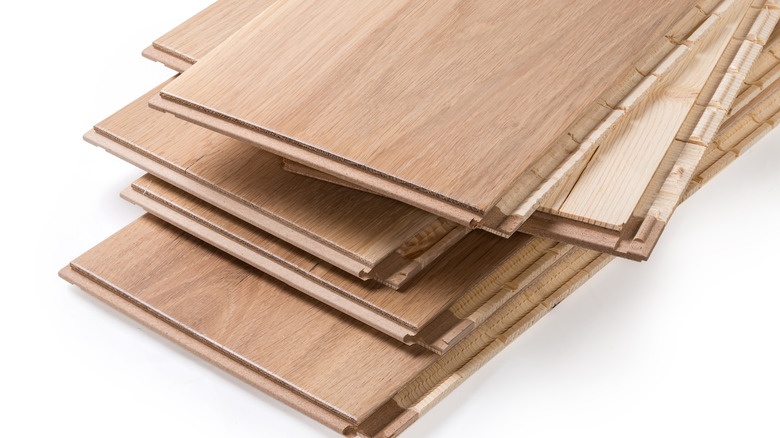
While traditional hardwood is 100% natural, engineered hardwood features a top and bottom layer of real wood, separated by several layers of plywood. This material is created by gluing together thin sheets of softwood called plies. By using outer layers of natural hardwood, engineered wood flooring has the look, sound, and stability of the real thing. The difference is that the plywood core is less likely to expand and contract with temperature changes or moisture.
According to the National Kitchen and Bath Association's 2026 Kitchen Trends Report (via Forbes), 78% of survey respondents — mostly designers, but also contractors, manufacturers, and dealers — predict that engineered wood will be the most sought-after kitchen flooring in the next few years. Comparatively, 59% of respondents predict that natural hardwood will be the preferred flooring. The engineered version is a durable and stylish kitchen flooring option, available in a variety of colors and plank sizes to make your dream kitchen come true. Just steer clear of rough or porous tile, the worst kitchen flooring you can choose.
Benefits of engineered hardwood flooring
While hardwood floors won't disappear completely, there are a number of reasons why engineered hardwood is growing in popularity. One is that it's generally more affordable than traditional hardwood. Depending on the quality and thickness, solid hardwood costs between $8 and $15 per square foot, while engineered hardwood costs just $4 to $7 per square foot on average. Plus, the latter is usually easier and faster to install than traditional options, which can reduce installation costs. Many people can even install floating engineered flooring themselves due to its easy click-lock system, similar to installing vinyl plank flooring.
In addition to its affordability, engineered hardwood is typically more durable than natural hardwood because the core is more resistant to moisture from spills and humidity, which is crucial in the kitchen. While this flooring can still scratch (which you can fix with some oil and vinegar), it's less likely to warp or shift than traditional hardwood.
Cleaning engineered wood is similar to cleaning hardwood floors. After sweeping or vacuuming, use a microfiber mop and a high-quality floor cleaner that's safe for engineered hardwood, like Weiman Hardwood Floor Cleaner or Black Diamond Wood & Laminate Floor Cleaner. While this material is relatively moisture-resistant, avoid drenching it since too much moisture can damage the top layer over time. For this reason, we also advise against steam-mopping both hardwood and engineered wood floors.