

It Might Seem Obvious, But This Easy Step Will Make Or Break Your Store-Bought Marinara
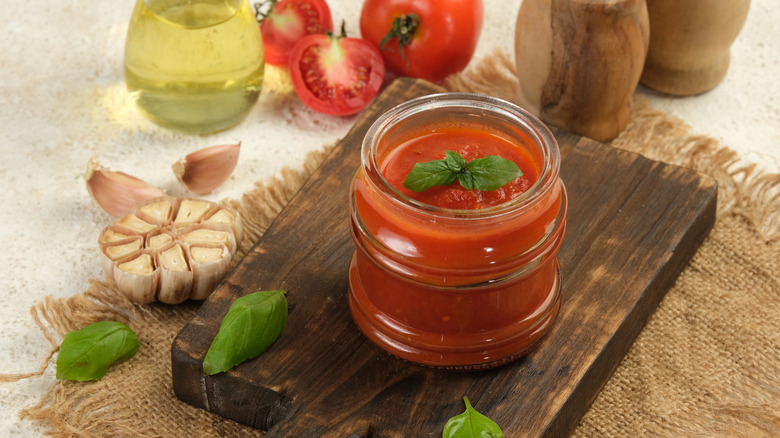
After a long day, the last thing you want to do is spend time prepping ingredients for an elaborate meal and then hovering over a stove or monitoring the oven while it cooks. Store-bought pasta sauce comes in clutch in situations like this. Simply combine the sauce with your preferred shape of cooked pasta, and while not quite worthy of gourmet status, you will still end up with a tasty and satisfying meal. The humble marina sauce, beloved by many esteemed chefs, is the default choice for many and for good reason. There are plenty of brands that make it, though some are naturally superior to others in terms of flavor, texture, and overall consistency, according to Chowhound's ranking of popular store-bought marinara sauces. Most home cooks just pour the sauce straight from the jar over their cooked pasta, but your taste buds could take a hit as a result, and not in a good way.
The effortless trick to enhancing the flavor of your store-bought marinara sauce doesn't require any additional ingredients, or even much legwork. All you need are your chosen brand and a saucepan to heat it up in. This technique works since heating the sauce up first helps bring out the aromatic flavors and improves its texture, bringing your basic weekday dinner closer to feeling like a fancier feast that you put considerably more time and effort into preparing. Perhaps this zero-ingredient upgrade hack could make even the sauce that ranked the worst on Chowhound's taste test of store-bought marinara sauces taste better.
Why heat works and more simple techniques for better-tasting marinara sauce
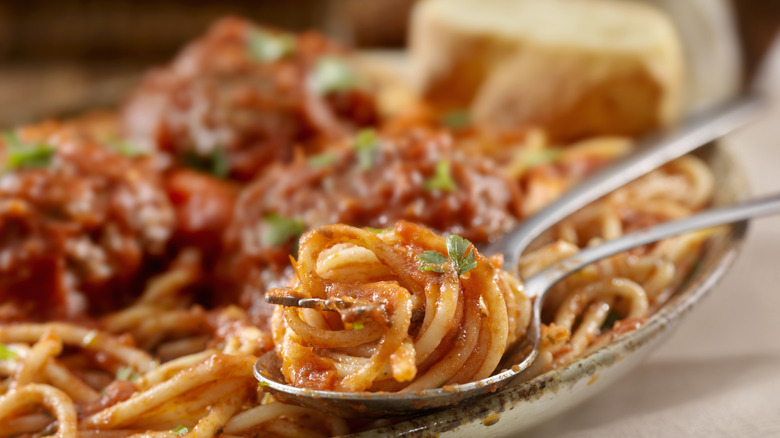
For store-bought pasta sauces that are already ready to use, the heating process helps concentrate the flavors from the sugars, tomatoes, and other spices and seasonings. This creates a sauce with more depth and complexity. Just a few minutes can make a notable difference, but if you have time to spare, feel free to allow the sauce to reduce on low heat for 15 to 30 minutes for significantly improved results, both texture and flavor-wise. You'll notice that this added step yields a thicker consistency too, which is a great solution if your pasta sauce is too watery or lacks that robust tomato flavor. Even if the cooked pasta is already piping hot, spare the extra few minutes to reduce the sauce properly, to enhance the experience of every spoonful of your meal — the extra dish you wash will be worth it.
Once the marinara sauce is ready, it also pays to finish the pasta cooking process in the same pan. When the pasta is added to the pan when just undercooked, or al dente, it finishes cooking directly in the sauce and therefore absorbs it better. Another zero-ingredient trick worth having up your sleeve includes saving some of the pasta cooking water. Once you've added the pasta to the sauce on the stovetop, adding splashes of the reserved pasta cooking water is an important step to improve the overall texture of the dish, thanks to the starches from the pasta that were released into the water while it was cooking. The result is a delectably silky sauce that clings to the pasta more effectively, resulting in a more flavorful bite.