

Is It Actually Safe To Use Preen In Your Vegetable Garden? What To Know
We may receive a commission on purchases made from links.
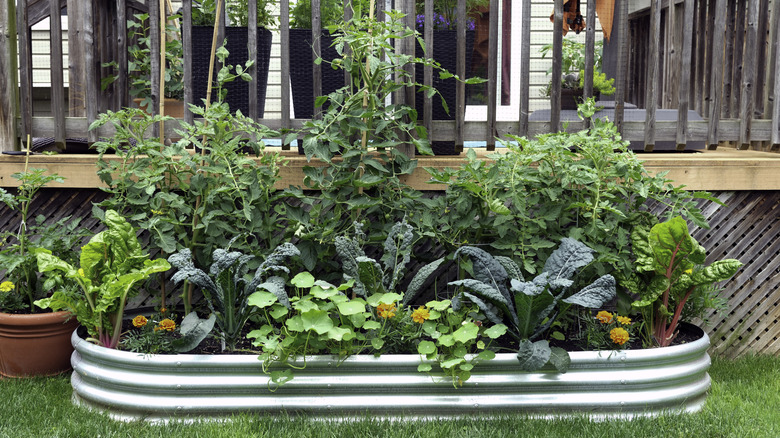
Cultivating your own home vegetable garden can be seriously rewarding — and seriously complicated. From planning your layout to controlling pests, there are a number of factors that novice gardeners need to consider to ensure a healthy yield. One variable that no one likes to think about are weeds, the unwanted plants that can crop up and overtake your intended harvest. For gardeners looking to prevent this disappointment in the simplest way possible, using a pre-emergent herbicide like Preen Weed Preventer is the obvious answer. But could using Preen have adverse effects on your plants' growth or edibility?
According to expert Kevin M. Folta, Ph.D, a professor of horticultural sciences at the University of Florida, Preen is fine to use around existing plants, but should not be used in a newly planted bed or incorporated into soil. That's because trifluralin, the active ingredient in Preen, works by disrupting cell division. "When Preen is present, and water is applied, new seeds will not germinate," Folta explains. "This is a good strategy to stop weeds from getting started in a planted garden bed," he says, but the herbicide will also stop vegetable and flower seeds from germinating — pretty much the whole point of planting them in the first place.
How to minimize the risks of Preen
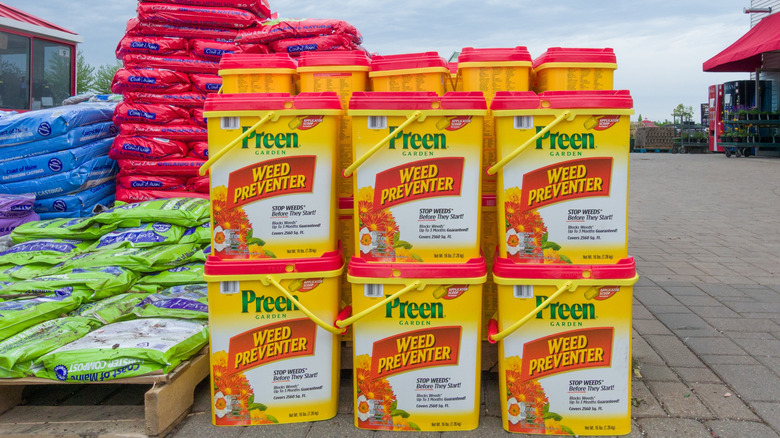
Even if you understand that Preen won't affect the growth of established plants, you might be nervous about eating vegetables that have been in contact with a pesticide. Thankfully, Kevin M. Folta tells us that the levels of harmful materials in consumer-grade herbicides are generally low-risk, which means your veggies should be safe for consumption.
For more detailed safety information, he recommends carefully reading the label, which should "have explicit instructions about application rates, personal protective equipment or clothing, and potentially pre-harvest intervals — the time you must let pass for the herbicide to clear before food products are safe to eat." You can also find even more information by looking at the Materials Safety Data Sheet (MSDS), which provides a comprehensive list of potential hazards. "However, these documents are frequently misinterpreted, as levels of consumer-grade herbicides are generally low risk," Folta warns.
Ultimately, Folta says, the rule to follow when it comes to pesticides and herbicides are the four R's — right time, right place, right amount, right source. "Getting these details right, plus wearing the recommended personal protective equipment, can allow you to use any herbicide safely," he advises. If you prefer not to use Preen, you may also find natural weed killers in your kitchen pantry, including vinegar and sunflower seeds.
To maximize the effectiveness of weed killers, Folta recommends using them in tandem with strategies like mulching, which also stops weed seed germination, and cover cropping, which reduces the seed bank (the resident unwanted seeds in the soil). "Together these strategies combine to make for very effective weed control," he says.