

What Makes Restaurant Mashed Potatoes So Much Tastier Than The Ones You Make At Home
We may receive a commission on purchases made from links.
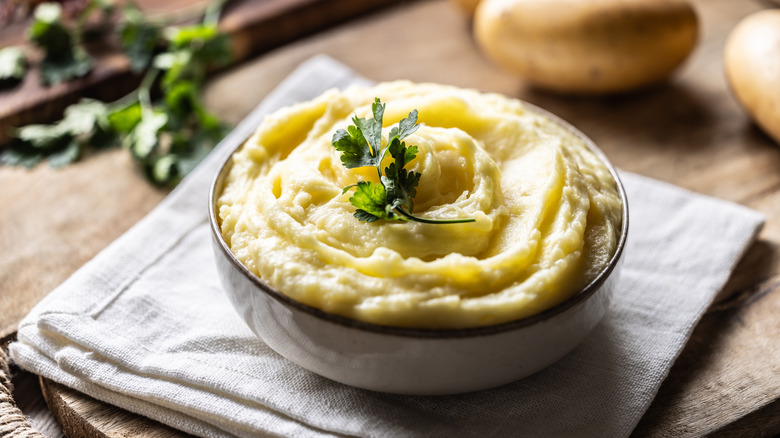
Really good mashed potatoes can be elevated from a simple side dish afterthought to the star of the show, no matter what else is on the plate. There are some tips you need to know when cooking mashed potatoes at home — like properly seasoning the water for more flavor. You can give your mashed potatoes a nice creamy finish with sour cream or try an Irish twist on mashed potatoes with browned cabbage and green onions. But when you want those perfectly creamy, fluffy, buttery mashed potatoes worthy of a restaurant menu, it might seem like an insurmountable task to achieve at home.
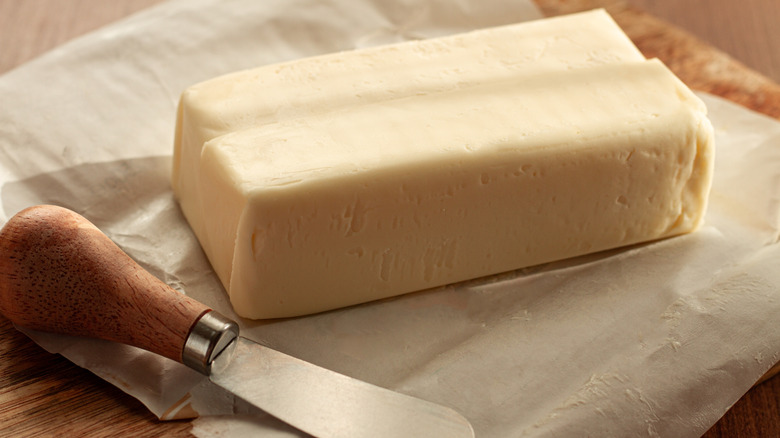
To find out what makes restaurant mashed potatoes so much tastier than regular homemade potatoes (and how to achieve them at home), we reached out to an expert. Maxine Sharf is an author and recipe developer with a new cookbook, "Maxi's Kitchen: Easy Go-To Recipes to Make Again and Again," coming out in March 2026. Sharf says, "Professional chefs usually add a lot more butter and cream than you might at home, which gives restaurant mashed potatoes that extra richness." Depending on how you normally make your mashed potatoes, the amount of butter used in restaurant mashed potatoes (often a whole stick) might even come as a shock, but (within reason) the more butter you use, they tastier they'll be. And don't skimp on the heavy cream — it will make the texture much smoother than mere milk. But, beyond the butter and cream, Sharf has some more tricks up her sleeve for amazing mashed potatoes.
More expert tips for restaurant-style mashed potatoes at home
As for the potatoes, Maxine Sharf says, "Yukon Gold potatoes are my favorite. They have a naturally buttery flavor and a creamy texture, which makes them perfect for mashed potatoes." Plus, their balance of starch and moisture will make a mash that's uniformly fluffy and not lumpy or over-watery. When it's time to cook the potatoes, Sharf says you should peel them first and cut them into manageable chunks for boiling. "Boiling with the skin off helps the potatoes cook evenly and avoids water seeping under the skins, which can make the texture a bit off. It also saves you from having to peel hot potatoes later."
For super smooth mashed potatoes, Sharf recommends using a potato ricer. If you're unfamiliar with a potato ricer, it's sort of like a giant garlic press but for potatoes, and the OXO Good Grips 3-in-1 Adjustable Potato Ricer is a good budget choice. You simply add your cooked potatoes and give it a squeeze so the soft potato extrudes through the holes. "Rice the potatoes instead of mashing them," Sharf says, "which will get them extra silky, and always heat the butter, cream, or milk before mixing it in." Warmed ingredients will be much more easily incorporated, the liquid actually absorbing into the mash, rather than coming out clumpy or with cold pools of butter and cream. And as a final bit of advice, Sharf says, "Add plenty of seasoning and be careful not to over-mix, since that can turn the potatoes gummy."