

The Company That's Really Behind The Avocados From Mexico Brand
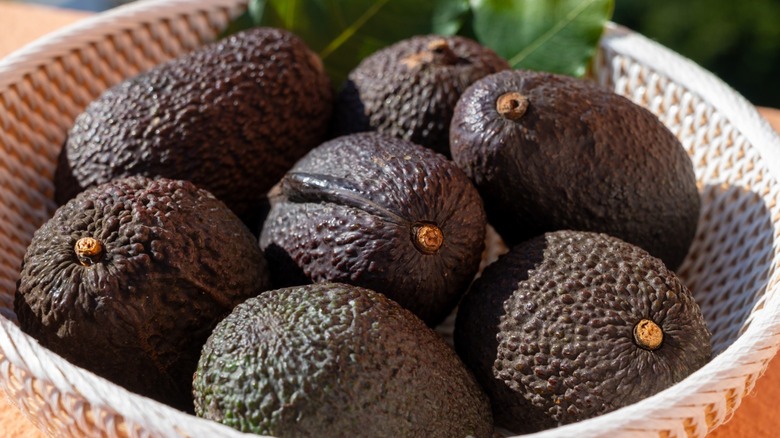
If you're like most people these days, you eat avocados, and you probably don't stop at just one or two annually. Thanks to rising global awareness of this quirky green fruit's many health benefits (and a hefty dose of increased marketing), avocado consumption has risen dramatically in recent years. You've probably heard that avocados are full of vitamins and the "good" kind of fat, and that Avocados from Mexico commercial jingle may sing through your brain every time you see a sticker saying the same thing at the grocery store. But on that note, does it matter if your avocados are really from Mexico? Who's behind the Avocados from Mexico brand anyway?
Though the stickers on the avocados at your local store may suggest Avocados from Mexico is a straightforward type of avocado brand, like Dole with bananas or Cuties with clementines, it's actually an international non-profit that works with numerous individuals and businesses. The organization was formed in 2013 as a joint venture by two different groups: APEAM and MHAIA. APEAM, or the Association of Avocado Exporting Producers and Packers of Mexico, is an organization representing some 34,000 Mexican avocado growers, 54,000 orchards, and nearly 100 avocado packing houses, while MHAIA (standing for the Mexican Hass Avocado Importers Association) represents avocado importers in the United States. Regardless, when you see Avocados from Mexico on a label, you can rest assured that, yes, those avocados really did come from Mexico!
The powerful marketing of Avocados from Mexico
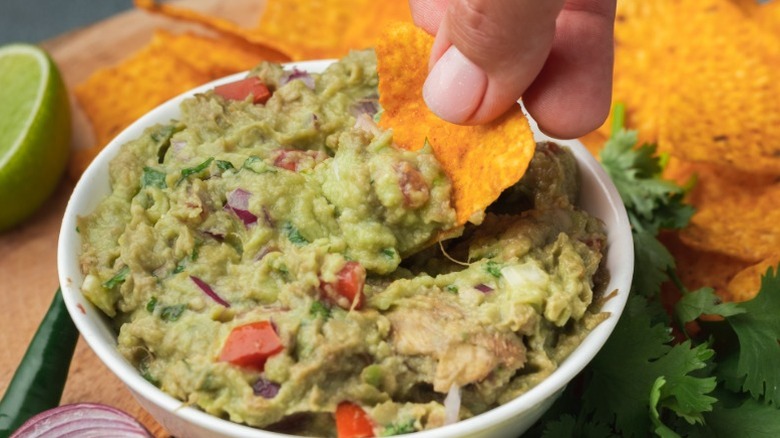
The bulk of avocados eaten in the United States are Mexican avocados (specifically Hass avocados), but it wasn't always this way. Back in the 20th century, the vast majority of avocados in the nation's markets came from Southern California. Mexican produce gradually began coming in after 1997, when a 1914 ban on these imports was lifted. A hundred years later, Avocados from Mexico represented 65% percent of the Mexican market for the fruit. At that point, our neighbor to the south only supplied 20% of U.S. avocados. America's introduction to guacamole in the 1990s increased demand. However, there was a big visibility problem — despite dominating this niche on paper, annual surveys in the 2000s and 2010s showed that the American public still saw California avocados as "premium" and significantly preferred them to imports.
Enter Avocados from Mexico in 2013 as one big, bold, green marketing solution. In 2015, the organization made history as the first fresh produce brand to advertise during the Super Bowl, which helped instantly bolster the connection between Mexican avocados and the guacamole that was already part of game day tradition in so many American households. By the time 2020 rolled around, Avocados from Mexico had grown to be a massive digital brand, with partnerships with Walmart, a culinary center, an "avocado lab" in the U.S., and stickers on produce in stores across the country. Perhaps most telling, by 2023, market research was showing that the majority of American consumers now prefer Mexican avocados.
Does it even matter where avocados are grown?
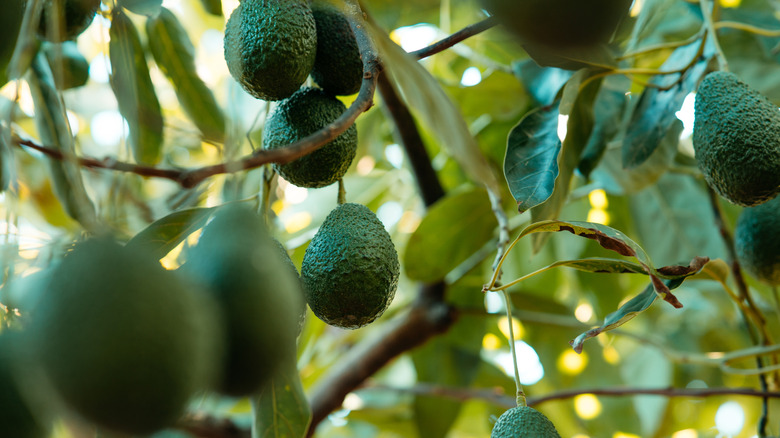
In the legal sense, yes, it does matter where avocados sold in stores come from. Currently, APEAM (one of the organizations behind Avocados from Mexico, if you need a refresher), is the only USDA-approved exporter of the fruit to the United States. Avocados are still grown within the U.S., of course, but the truth is that imports make up 90% of the entire domestic market for the fruit. Furthermore, the amount of avocados grown in California is less than 10% of the U.S. market.
Still, there are other differences with Mexican avocados to be aware of. For one thing, avocados can grow year-round in Mexico, specifically in the state of Michoacán. This means there is more seasonal variation in Mexican avocados that simply does not exist in areas where the fruit can only be grown during certain times of the year. In other words, you can eat avocados from Mexico throughout the year and notice subtle differences in taste and texture, even if they all come from the same region. Overall, the ideal growing climate means further taste differences between Mexican avocados and those grown elsewhere, with many describing Mexican varieties as having a creamier, more buttery quality in general — i.e., ideal for making guacamole, which, let's be honest, is what many of us are really after when we buy avocados in the first place.