

No More Soggy, Slimy Mushrooms: Store Them Like This
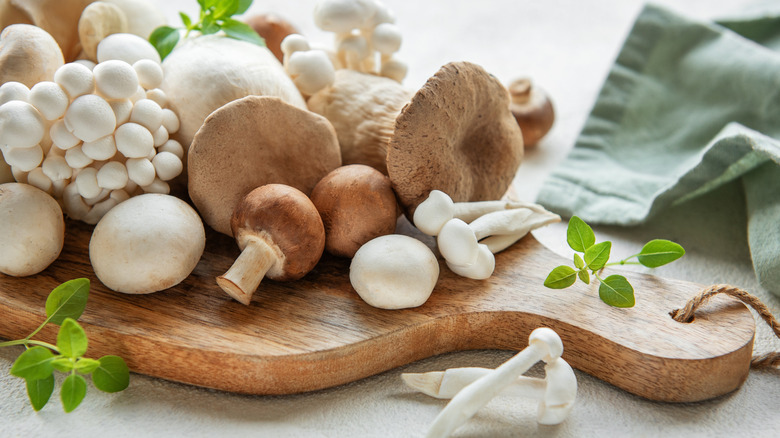
Mushrooms are flavor and texture goldmines, oozing umami goodness and a meaty bite. The right mushroom can add heft to light dishes and delicate nuttiness to rich dishes, making it a versatile kitchen fixture. The key to both storing and cooking this edible fungi correctly is understanding how its moisture content changes over time. In fact, you can learn a lot about how to store mushrooms from the best way to cook them. When fresh mushrooms cook, they release a large amount of liquid, and only then do they start taking on flavor and browning. One of the worst things you can do is let the mushrooms simmer on low heat in their jus, essentially boiling them into rubbery, flavorless nubs. Instead, the heat must be cranked up so the water is released and allowed to evaporate quickly.
Similarly, the key to storing fresh mushrooms correctly is inherently linked to letting moisture escape. Fresh mushrooms are over 90% water; when stored, they begin to sweat and release this moisture. An airtight plastic bag causes this moisture to slowly build up. As with cooking, mushrooms sitting in moisture (unless the moisture is a flavorful sauce or glaze) is never a good thing. Sitting in a plastic bag with no outlet for the moisture turns the fungi slimy, which is one of the surest signs that the mushrooms have gone bad. Instead, they must be stored in an unwaxed paper bag, which helps avoid moisture build-up. It's also important that the mushrooms don't dry out, so don't leave the bag open. Instead, let the paper from the bag absorb excess moisture while retaining the freshness of the mushrooms and protecting them from drying out.
Short- and longterm mushroom storing strategies
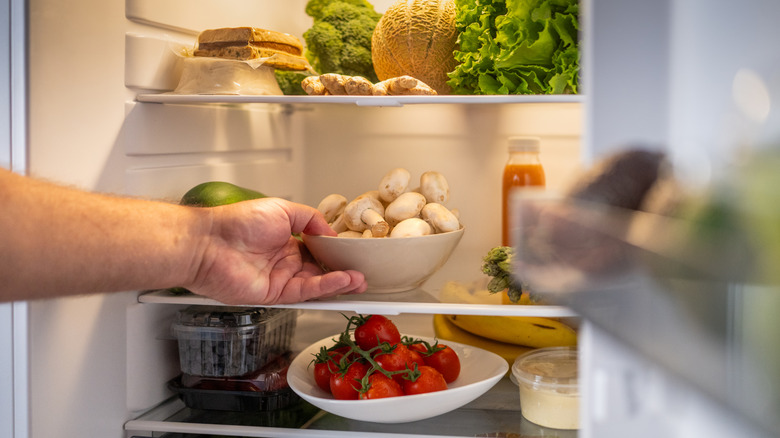
While most mushrooms are best eaten fresh, this isn't always possible. When you do pick up a batch, it's best to know when you plan on using them and store them accordingly. Remember that two of the biggest mushroom handling mistakes one can make are overwashing them and storing them incorrectly. Because they tend to absorb moisture, soaking mushrooms degrades their texture once cooked. Washing them before storing is also not a good idea; you don't want those caps holding extra moisture for extended periods since it can speed up spoilage. Instead, store mushrooms unwashed and refrigerated in a paper bag, or other breathable packaging, if you plan on consuming them within the week. They could last longer, but it's worth checking them for signs of spoilage before consumption. Note that sliced raw mushrooms tend to spoil faster since there is more exposed surface area.
For longer-term storage, the moisture in the fungi needs to be removed. Avoid freezing since that degrades their texture; instead, preserve fresh mushrooms by dehydrating or drying them. Unlike their fresh counterparts, dried mushrooms can last for years at room temperature (provided they are kept in airtight packaging). Having dried mushrooms in your pantry gives you ready access to their deep flavor, especially with varieties such as shiitake. They also take up less space since mushrooms shrink significantly once they lose moisture while their flavor gets concentrated. Best of all, rehydrating them in warm water returns that delicious meaty texture, and also leaves you with a rich umami broth (the soaking water) that can be used as a stock for all kinds of dishes.