

Chef Kwame Onwuachi's Pro Tip For Making A Standout Seafood Nage

Kwame Onwuachi is a Nigerian-American chef who exploded onto the food scene after a successful run on the TV show "Top Chef." He is known for his bright and inventive Afro-Caribbean food, stemming from his life experience in New York City, Nigeria, and Louisiana. His New York City restaurant Tatiana was named the No. 1 restaurant in New York by the New York Times for two years in a row, and he inspires home cooks how to make even the most simple dishes stand out by being creative, using their own unique lens, and tasting as they go.
One of his innovations that somewhat defies convention is to serve fresh fish in a nage. While this might sound like a super advanced culinary technique, a nage may be more approachable if you think of it as a stock traditionally used to delicately poach fish. As he shared with Tasting Table, offering a nage as the base for a fresh fish course, like hamachi, which he favors for "its really nice mouth feel and melt," not only adds "flavor and acidity" but also serves to "brighten the dish up." This French technique "À la nage" literally translates to "in the swim" and Onwuachi's re-framing is to serve raw fish in a nage, rather than using it as a poaching liquid. You'll just want to make sure to nail its consistency for the best dish.
Thicker than a broth, a nage is all about the texture
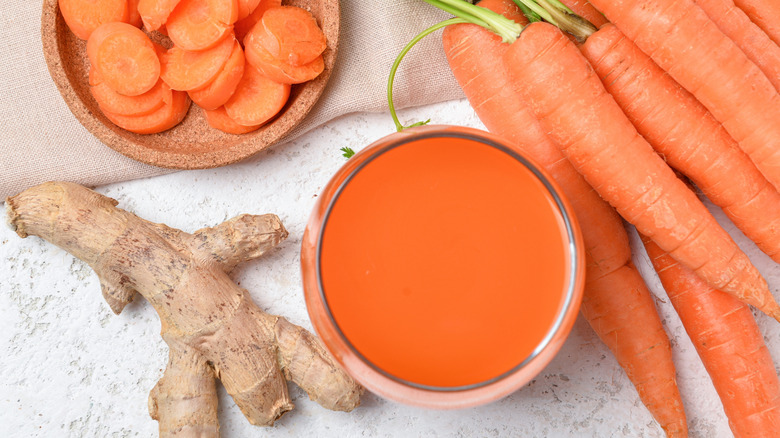
The nage that chef Kwame Onwuachi creates is made out of pickled and fermented peppers, caramelized carrot juice, ginger, and garlic puree. The gist is that it has a depth of flavor and a touch of heft, so it should more substantial than, say, a broth. As he elaborated to Tasting Table, "it should have some body to it, but not be like a puree. It's kind of like in between a puree and maybe a soup." The texture of the nage allows the fresh fish to gently nestle in place rather than wanly floating around the bowl.
Re-thinking traditional cooking methods and borrowing from various culinary heritages exemplifies Onwuachi's broader food philosophy of and tips for fusion cuisine. Specifically, the chef encourages home cooks not to stress about working with different cuisines. Rather, he advises to start with intention and incorporate techniques from various cuisines, like making a French nage, that you learn along the way. For a super successful nage, it may even help to draw on tips for preparing dishes similar in texture, such as by avoiding common soup pitfalls like not layering flavors or adding too much liquid at the beginning.
Static Media owns and operates Chowhound and Tasting Table.