

When Should You Plant Your Pumpkin Seeds?
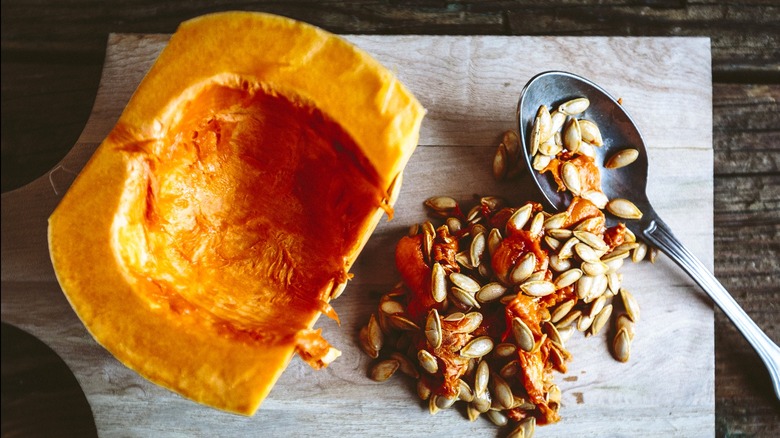
Growing pumpkins from seeds might seem like a challenge, but it's actually not difficult at all. Pumpkins grow quite easily with enough space and sunlight, and when fall weather arrives, there's nothing better than having colorful pumpkins ready to harvest right in your own backyard. These beloved squashes need around 75 to 100 days to grow from seed to harvest, and you can check the seed packet to know exactly how many days are necessary for the variety you are planting.
To have your pumpkins ready in time for fall, the best time to plant the seeds is around the third or fourth week of May, once the possibility of frost is completely gone. The pumpkins will be grown just in time to carve them for Halloween, and you can separate the pumpkin seeds from the pulp to grow another batch for the next year. Besides creating Halloween decor, your backyard pumpkins can also be used for soups, sides, and other various pumpkin dishes from around the world.
Generally speaking, smaller varieties will take less time to grow, while bigger ones will take longer. It's possible to get a head start on growing your pumpkins by getting the seeds going indoors about a month before the final frost of the season. Just make sure not to plant your pumpkins too early, as they may mature during the hot summer months and then rot before the fall.
Tips for growing perfect pumpkins
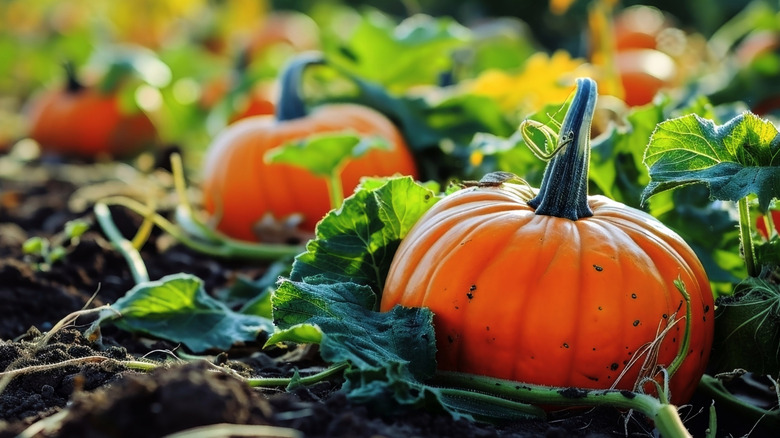
To give your pumpkins a head start by planting the seeds indoors, fill 4-inch pots with seed starting mix, and then plant one pumpkin seed per pot. Place the pots somewhere where they will receive an abundance of sunlight (and where you'll remember to water them). Once a few leaves have sprouted and the last frost has passed, you can then plant them outside in the garden.
Pumpkin vines grow quickly and take up a lot of space, so to keep your garden from being overrun by them, consider planting them away from other crops. Ensure there is ample space between plants (about 2 to 5 feet), depending on the size of the variety that you are growing, and that they are planted somewhere where there is a lot of sun. Water your pumpkins around the base to keep the soil moist, but avoid overwatering, as excessive moisture can lead to root rot.
You will know it's time to harvest your pumpkins when the skin develops a hard surface and a deep orange color. To prevent decay, leave an inch or two of stem on your pumpkins and then set them out in the sun for around 10 days to help firm up their skin. For successful companion planting, consider chamomile or dill to attract beneficial insects, and avoid other types of squashes that will compete for nutrients in the soil.