

The Absolute Best Apple Variety For Making Applesauce
Whether poured over waffles, used as a thick filling with some cinnamon for homemade crêpes, or added on top of French toast for a sweet-and-tangy kick, applesauce is always a treat for the taste buds. You can even use it to give your oatmeal a warm, fall flair; simply stir in a spoonful of applesauce and watch how it beautifully softens the oats. However, choosing the right kind of apples is key to nailing the flavor of applesauce. But, with so many apples to choose from, which one should you go for?
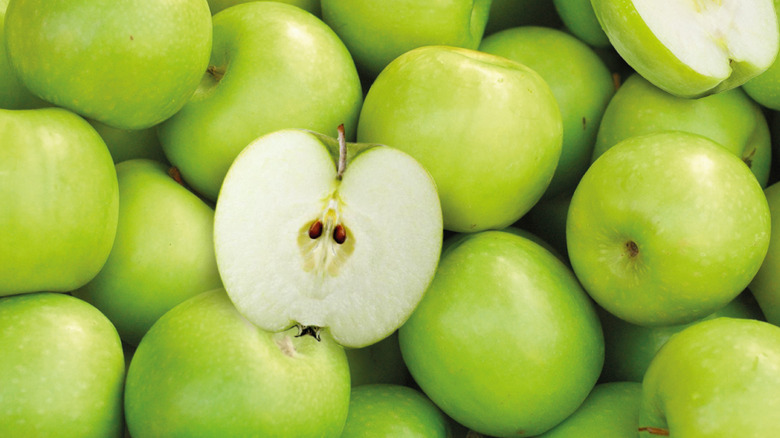
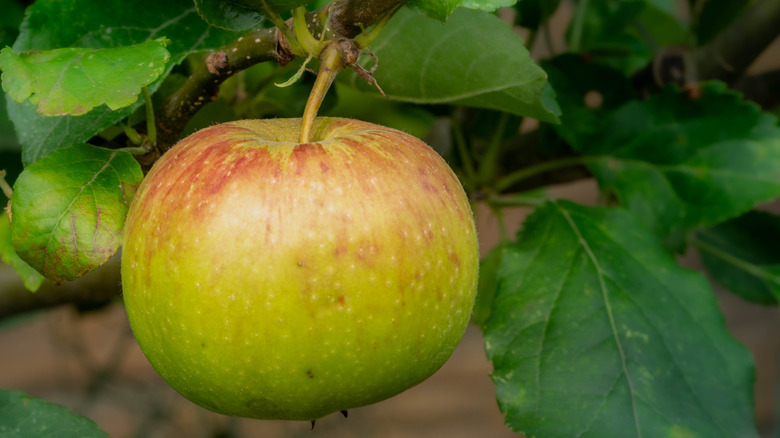
While some recipes favor sweet, floral cultivars, such as Gala, Golden Delicious, or Fuji, others looking for some extra tartness recommend Granny Smith apples for their signature acidity. But, according to Katie Finlay, who created Grow Great Fruit together with her husband, Hugh, the best apples for applesauce are the ones that grow best in your region. "Local varieties become known and loved for their special characteristics," Katie Finlay exclusively told Chowhound. "In the U.S. and Australia, most cooks would nominate Granny Smith as their preferred apple for cooking, unless they're lucky enough to have access to wonderful heritage varieties like Rhode Island Greening or Newton Pippin." However, she noted that there's something about Bramley apples — an English cultivar that dates back to 1809 — that sets them apart from the rest: "Bramley apples have strong apple flavor, are nice and tart, and cook into the perfect fluffy lightness you're looking for in applesauce or apple pies."
Tips for making applesauce
To make applesauce, all you need to do is simmer some apples with a bit of water, sugar, and a touch of cinnamon in a saucepan for about 15 minutes, then blend until you get a smooth, silky texture. What's more, adding some browned butter gives applesauce an awesome depth of flavor, so don't hesitate to try it out.
Apart from being incredibly easy to make, the second-best aspect of applesauce is that it's a clever way to use up those slightly bruised apples you have. "Applesauce is a wonderful way to use second-grade fruit that is bruised, damaged, or ugly, which helps to use up all the fruit if you grow your own, or can reduce pressure on the budget if you can buy in bulk," Katie Finlay says. While minor bruises or marks don't affect the applesauce's flavor, she emphasizes the importance of washing the fruit and cutting out any particularly bad spots, especially nasty bruises, rot, or insect damage.
On whether you should mix different apple varieties in your applesauce, Finlay notes that combining cultivars can add a wonderful complexity. However, she warns that including dessert apples, such as Honeycrisp, Golden Delicious, or any variety hinting at something sweet in the name, might make the sauce too sweet: "The best applesauce should be a perfect blend of tart with a hint of sweetness; it's safest to stick to tart cooking apples and add sugar to taste."
Balancing sweetness and tartness
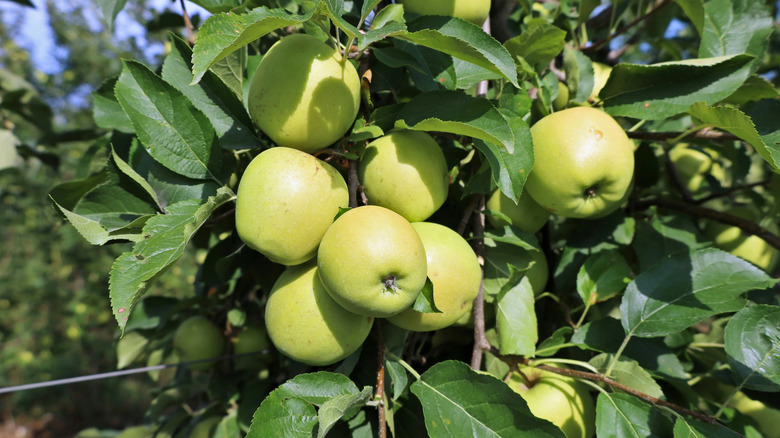
When asked if there are any apples she would avoid when making applesauce, Katie Finlay revealed that she doesn't typically include modern varieties in her applesauce recipe. "Many modern apples are bred to have very high sugar content, which makes them great for eating but terrible for applesauce," she explained (if you're curious about which apples to steer clear of, here are the sweetest apples you can buy). Fuji, for instance, can contain up to 14 grams of sugar per 100 grams of produce, which can easily disrupt the sauce's balance and overpower the acidity.
Though Granny Smith apples might not be Finlay's first choice, she still spoke highly of them, saying they deliver great flavor: "Tart apples, like Granny Smith, make excellent applesauce because their bright, tangy flavor balances beautifully with a little added sweetness, and they pair well with traditional applesauce partners like cinnamon (for warmth) or lemon zest and juice (for zestiness)." Ultimately, whichever apples you choose really comes down to personal taste, and let's be honest — once you're done making the sauce, it's not like it won't be gone in a matter of days. Once you're down to the bottom of a jar of applesauce, though, use what's left to make a whiskey cocktail.