

The Biggest Differences Between Maine And Spiny Lobsters
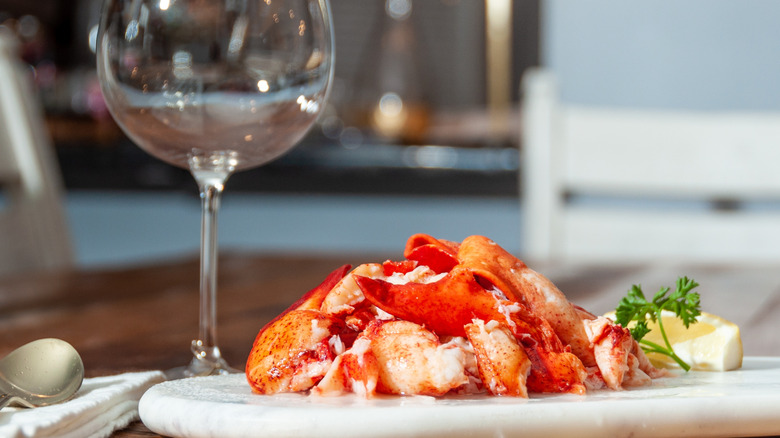
If you hail from the Midwest, you may not be privy to the ins and outs of culinary crustaceans. However, even in the middle of the country, you may have dined at what was once the largest seafood chain in the world, Red Lobster. And if you have, you may have noticed that they have not one but two types of lobsters on offer: Maine and spiny. The lobsters catching your eye from the tank at the front of the restaurant are Maine lobsters; spiny lobsters can be ordered as tails. But what is the difference between the two? Chowhound spoke exclusively with Dora Swan, co-proprietor of fin – your fishmonger, to clear up the distinction.
First, according to Swan, Maine (or Canadian) lobsters are sweeter, with a wonderful buttery texture. Spiny lobsters (also called rock lobsters) taste a bit briny, although not in an overpowering way. In terms of texture, she provides this illustration of Maine lobsters, saying, "You know how the colder weather makes us fold up, make ourselves more compact and snuggle in to keep warmer? Imagine the fibers of the cold-water lobster doing the same — being tighter together, making the meat firmer (but still tender)." The absolute tenderest part of the lobster, she notes, comes from the claw and knuckle meat, which is only found in a Maine lobster. (This is the meat you should use, if possible, when making a mouth-watering lobster roll). Tail meat — whether from Maine or spiny lobsters — has a bit more of a firmness and chewiness to it.
Cooking your lobster
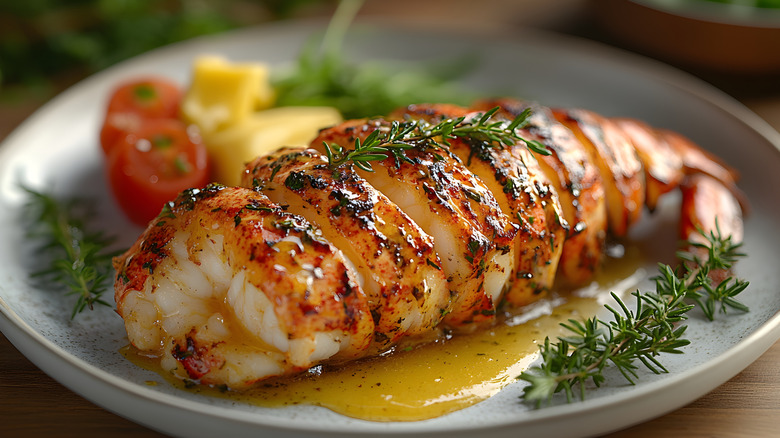
Because of the significant difference in both taste and texture, you can't use a one-size-fits-all approach when it comes to cooking these lobsters. If you've got your claws on a Maine lobster, Dora Swan recommends using it for lobster rolls, poaching it, steaming it ("as a 'special occasion' meal"), or making lobster bisque. "We like to tell our customers to save those cast-off shells in their freezer to make lobster stock," says Swan, which can really take your bisque to the next level.
On the other hand, Swan says, "Spiny lobster, because it's less sweet and really more southern coastal and Caribbean, tends to be prepared with bolder, more complex flavors and spices that complement the firmer texture of the meat." That texture can be a benefit when it comes to cooking, as it doesn't fall apart under heat as easily, making spiny lobster tails a better choice for grilling or adding to stews or curries, Swan explains.
In summary, your classic lobster dishes like bisque and rolls are "all about the Maine lobster, letting that sweetness of the cold-water meat come through," says Swan. But spiny lobsters definitely have their uses, too. Whichever you choose, make sure you know how to pick out a fresh lobster at the grocery store — and enjoy a delicious meal.