

17 Ingredients That Can Ruin A Dish If You Use Too Much
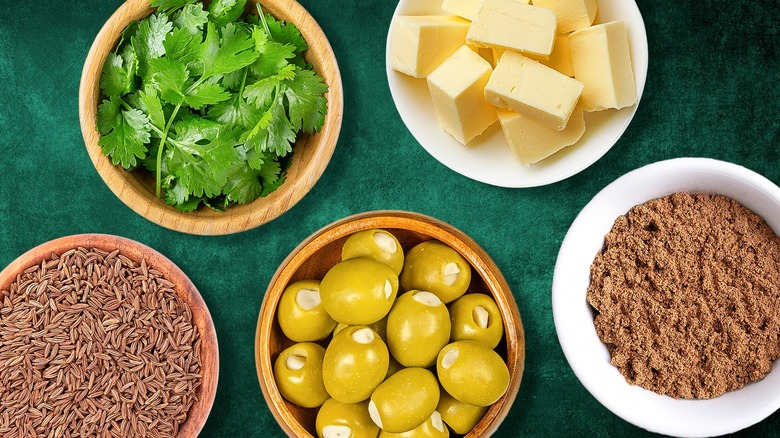
Cooking, like life, is all a great balancing act. You have to have a good handle on the flavors that you're working with individually so that you can harmonize them together, creating a well-rounded and tasty bite. Even the most experienced cook knows how easy it is to add too much of any one ingredient and throw off the flavor and texture of the dish as a whole. Whether by mistake or due to a lack of proper taste testing, overriding your recipe with a single ingredient can incite panic and prompt you to take drastic measures to rebalance the flavor of the dish. But wouldn't it be best to identify the most overpowering or texture-altering ingredients so that you can be mindful of how much of them you add going forward? Well, dear reader, great minds think alike.
In order to get some insight into which common ingredients can ruin a dish if used in excess, we consulted the experts: Chef Jack Slobodian and former chef and owner of kitchenware brand Fifth Fork Kimberly Lock. They shared some of the ingredients that are most likely to unbalance a dish if used in excess and also suggested remedies if you are a little too heavy-handed with any one ingredient.
1. Dried spices
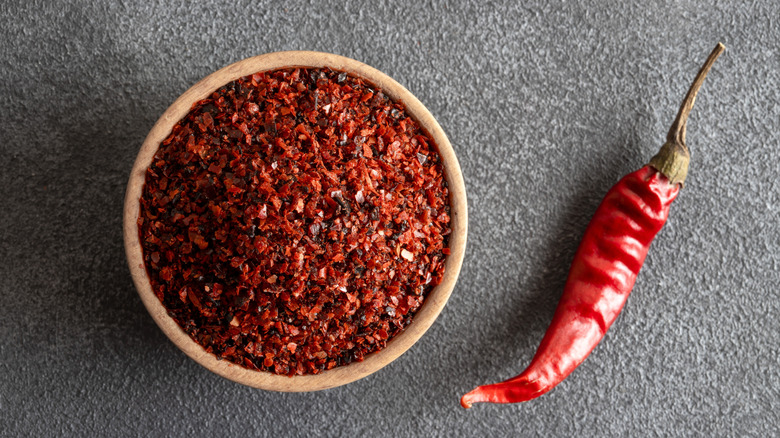
Biting into a takeout dish that's a little spicier than you intended can come as an eyebrow-raising surprise to your taste buds. As such, you want to be conscious of the spice and heat when you're cooking, as using too much of an ingredient can overwhelm your palate.
Former chef Kimberly Lock shared that dried versions of spicy ingredients, like chili peppers, can be particularly dangerous. "Spices like pepper, chili powder, garlic powder, and dried chili flakes (just to name a few) will need time to infuse into a dish before their flavor can be tested by tasting," she said. That means if you taste your dish right after you add your spices, then you may not get an accurate assessment of its overall flavor, which can prompt you to add even more spice to your dish — a rookie mistake. This is why it's important to taste as you go.
To make things worse, it's hard to come back from eating a dish that has too much spice. As Lock said, not only will hot ingredients like chili pepper be hard to balance in real time, but it could also be hard to recalibrate your entire palate after you eat them. However, cooling ingredients, like dairy, may be helpful.
2. Truffle oil
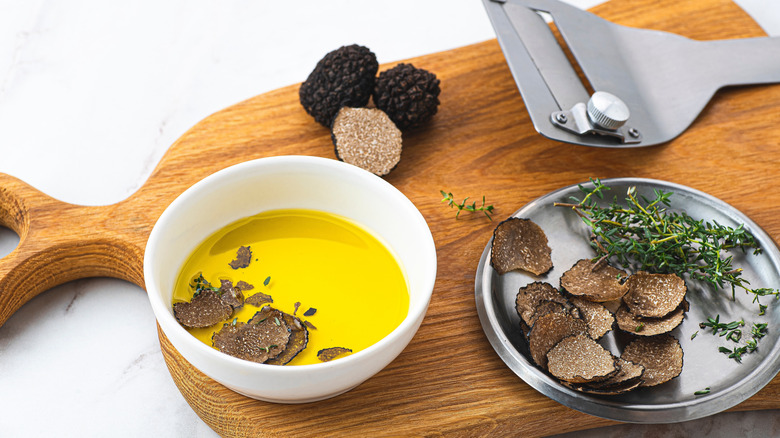
Celebrity chefs, including Gordon Ramsay, have expressed their hatred for truffle oil, so we've always been hesitant to add too much. It's hard to tell that the product you're getting is the real deal, and even high-quality truffle oil can leave behind a film on your tongue and an almost musty flavor on your taste buds. "Truffle oil is very aromatic and has a strong savory flavor," said Chef Jack Slobodian. "Too much easily overpowers the other ingredients in a recipe, both in taste and aroma."
Slobodian shared some tips about how to moderate your truffle oil use in a recipe. He gave the example of a truffle risotto, where not only should the truffle flavor be detectable, but also the flavor of the mushrooms and the aromatics. Instead of pouring the oil straight into the dish, he suggests portioning the oil using a measuring tool or opting for a substitute like wild mushrooms or truffle paste instead.
3. Artificial flavorings and extracts
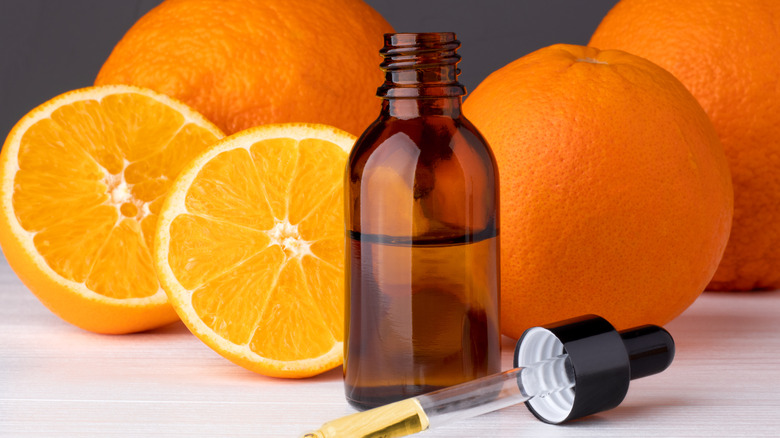
There's a reason why banana Laffy Taffy doesn't taste like the whole fruit you'd buy from the grocery store. Artificial flavors and synthetic flavor enhancers are great because they can bring flavor without the textural drawbacks of an ingredient. After all, could you imagine what banana-flavored candy would feel like if it were made with real bananas?
That said, the flavor of extracts and flavorings can be very powerful, so it's best to add them in very small doses. There's a reason banana flavoring doesn't taste great to many folks, and adding too much of it to your recipe can make you never want to use it again. But banana isn't the only flavoring you can overdo. Misreading 1 teaspoon of almond extract and adding a whole tablespoon instead can yield an alcoholic-tasting cake or frosting, and it's really easy to add too much orange extract, too.
While you could always use substitutes like citrus juice or oil, you may not get the same potent flavor as if you used an extract, so it's better just to make sure you're adding the right amount in the first place.
4. Salt
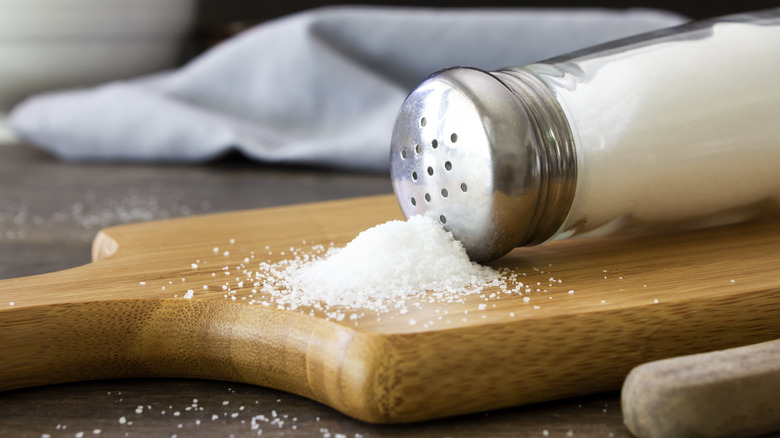
We've all probably had our fair share of both undersalted and oversalted food over the years. After all, it's an integral seasoning to more than just savory fare; salt is commonly added to baked goods to balance out and draw attention to sweetness. However, when used in excess, salt can tip your entire dish off-kilter and potentially even make it inedible.
"It's so easy to add too much salt to anything that you are cooking," said Kimberly Lock. Not only should you be cautious about how much of it you add to your recipe, but also how much time has elapsed between adding it and tasting it. "It's also key to remember to let any additions have time to impact the flavor of the food before you taste [it] to determine if you have added enough," she said. Rather than just tasting at the end of the cooking process, sample your dish as you're making it so you can tell if you need to add more salt or not. You don't want to just look for an evident salty flavor; the right amount is when the flavors of the dish become more in focus and bright. If you can only taste salt, you've added too much.
5. Raw onion
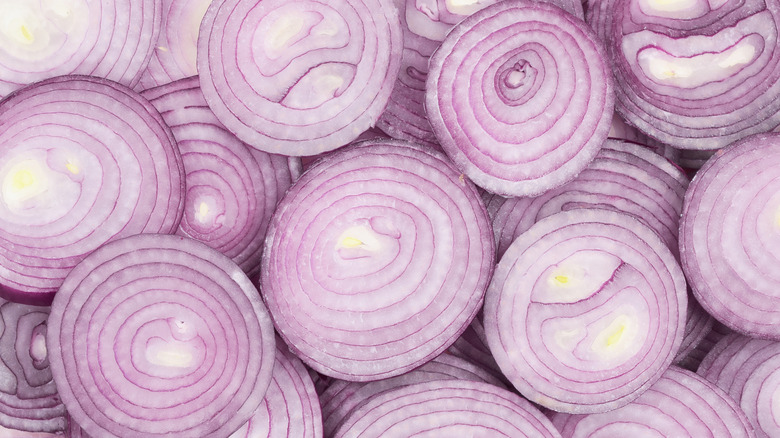
Raw onions can be a great topping for burgers and sandwiches, but their unrelentingly bold flavor makes them a condiment that's very easy to overdo. The important thing to remember about raw onions is that cooking softens not only their texture, but also their flavor. So if you're after a dish that has a milder onion flavor, like a soup, you may want to cook down your onions at the beginning of the process, rather than toss them in the pot at the end.
The other tip that you can use to help diffuse the flavor of raw onion is to chop it into smaller pieces. This is especially important for dishes like salads where you want to get a little bit of every component in each bite. Of course, the definition of "too much" is up to personal preference, so keep that in mind when you're building your dish.
6. Liquid smoke

Anyone cooking with smoky ingredients or trying to make meatier versions of tofu, seitan, and the like has probably used liquid smoke before. As its name suggests, this ingredient contains a very concentrated, liquidized smoke flavor that can be added to marinades, seasonings, and dressings. It's one ingredient that Jack Slobodian agrees could spell disaster if used in large quantities. "Too much can make food taste artificial and overpowered," he said.
It's easy to tell when a dish has been graced with a little too much liquid smoke. Slobodian suggests that liquid smoke should enhance the dish and remain as a "background note." "If every bite tastes intensely smoky, it drowns out the other flavors, and the taste lingers in your mouth, then it's too much," he shared. To avoid being too heavy-handed, he suggests measuring out the liquid smoke rather than just pouring it straight from the bottle into your recipe or swapping out liquid smoke for smoky ingredients, including smoked paprika, smoked salt, or chipotle powder, presumably to achieve a similar flavor.
7. Alcohol

It turns out you can overdo the alcohol in more than just cocktails. Alcohol is invaluable in the kitchen for deglazing a pan, enhancing the other flavors in your recipe, and adding a boozy kick to your favorite baked goods. However, whether you're drinking it or using it in a recipe, alcohol is always at the nexus of too much of a good thing.
If you don't properly cook the alcohol off, its flavor will remain and potentially overwhelm the dish. Even if you do cook some of it off, some residue will still be left behind (depending on factors like cook time and pan size), which can influence the flavor of the dish tremendously. Ideally, you want the alcohol to complement the flavors in the dish rather than eclipse them entirely.
You'll always want to use the amount of alcohol recommended in the recipe, and avoid deviating from the type of alcohol used. For example, spirits have a different ABV and flavor than wine and thus cannot be used interchangeably.
8. MSG
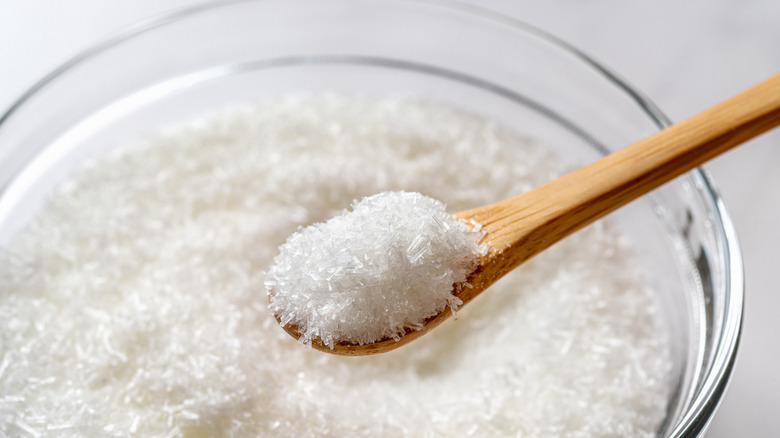
MSG is a powerful compound, and it can come in handy when you want to add savory flavor to a dish but don't want to load it up with more salt. While it can help take the burden off salty (and often umami) ingredients, MSG can also be an ingredient that you can add too much of to your recipe.
Essentially, MSG is a seasoning that functions like an umami concentrate. If you add a little to a dish, like a caramel sauce or a tomato sauce, it can do wonders for its flavor. But if you add too much, it can impart what some call a metallic flavor on your dish. Only add as much as your recipe recommends, and if you're adding MSG to a food it's not normally paired with, be sure to start with a little, taste often, and add more as needed.
9. Sugar
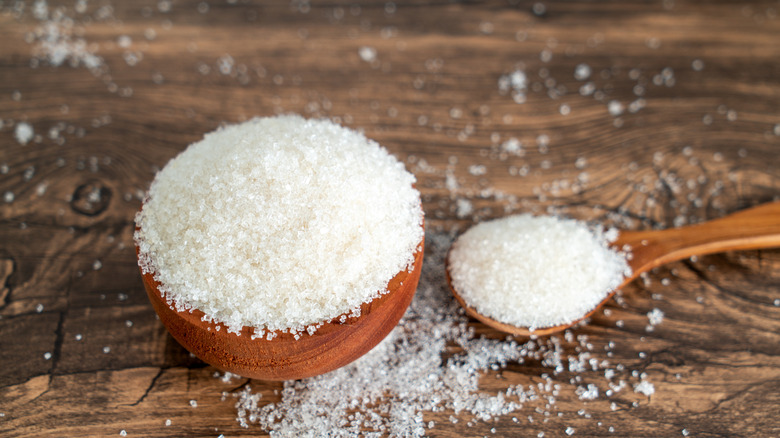
It should come as no surprise that our taste buds like the flavor of sweet things. We like hyper-palatable foods, including those that are super sweet, because they offer a surge of energy and trigger a release of dopamine in the brain, making us feel good. But as anyone who has eaten a whole bag of candy or a whole cake in a single sitting knows, a ton of sugar all at once doesn't always feel good.
Using excess sugar in a recipe can also cause other flavors to dull or fall to the wayside, leading to an unbalanced dish. Adding too much sugar to baked goods, specifically, can also expedite browning. So, be sure that you're reading the recipe for your favorite batch of cookies or cake thoroughly before pulling out the measuring tools.
Luckily, there are ways to remedy a too-sweet dish. Sour, bitter, and spicy are complementary flavors you can play with — just stay away from salty ingredients because they can make the sweetness more pronounced.
10. Cumin
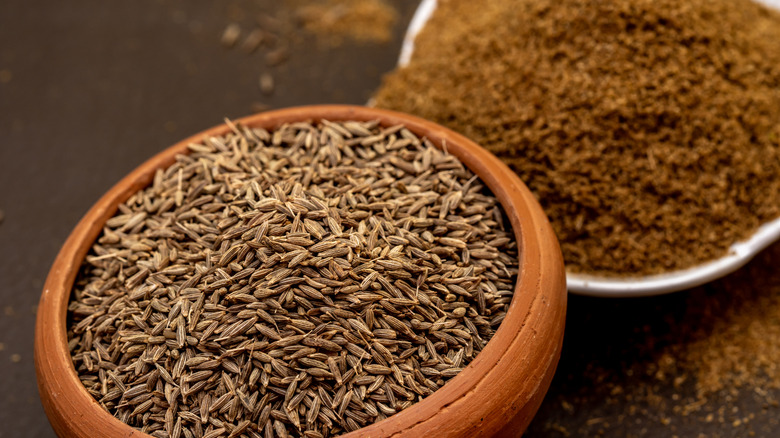
Cumin has a really beautiful flavor, but if you add too much of it to your recipe, it can taste sooty or dirty, ruining the overall profile of your dish. Since cumin can give off bitter notes, one of the best ways to save a recipe that has too much of it is to add a complementary sweetener, like sugar or agave. If you're using cumin in something like a curry or a sauce, honey or maple syrup may be good additions to balance its flavor.
You can also use sweet spices to counteract a dish that's a little too cumin-heavy. Cinnamon is one example, as it adds sweetness to the flavor without potentially making your recipe too cloying. You may want to try this in chili. Just avoid trying to nullify the cumin's impact with other bitter flavors, like chili powder or cocoa, as they can make the cumin's harsh flavor even more pronounced.
11. Flours and starches

Flour and starches perform a pivotal structural role in recipes. After all, you can't have a loaf of bread without flour. But if you add too much flour or starch (like cornstarch or tapioca) to your recipe, you'll risk altering its texture or making it taste dusty or gummy. One example that comes to mind immediately is apple pie. While thickeners like flour or cornstarch are common (as they help firm up the filling), if you add too much, you'll risk tasting it in the finished bake. Adding too much flour or starch to a cake can upset the balance of wet and dry ingredients and turn its structure from tall and fluffy to short and stodgy.
If you're using flour or starch in sauces or baked goods, we recommend always reading the recipe and not substituting one starch for another. In a pie, for example, you need to use a smaller quantity of cornstarch than you would flour, because cornstarch is more concentrated.
12. Cilantro
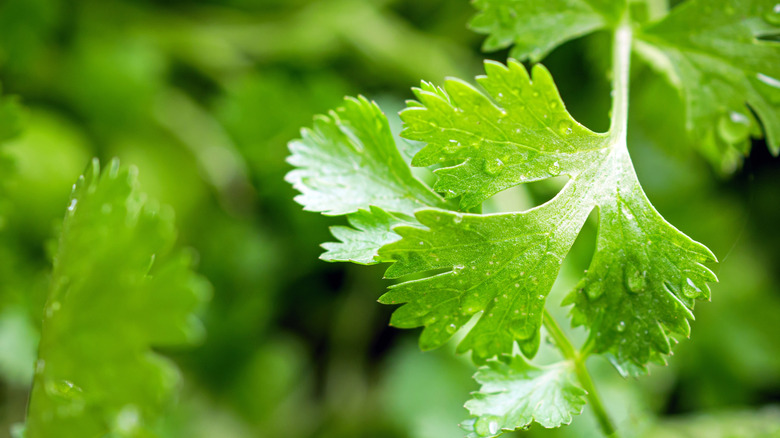
For people who hate cilantro, namely those with the gene that makes it taste like soap, any amount of the herb is too much. But for the rest of the population, a little garnish of cilantro on a burrito bowl or in a salsa or guacamole will suffice.
Unlike some of the other ingredients on this list, there are very few foods that can diffuse the taste of cilantro because it's so unique and bold. You could add a different distracting and bold flavor, like raw onion, to your recipe to draw the attention away from the cilantro — just make sure you don't overdo the onion, either. You can also add heat using chopped chiles, like jalapeños, to distract from the punchiness of the herb. Since cilantro is usually reserved as a garnish, you can always pick it off if you find you added too much.
13. Garlic
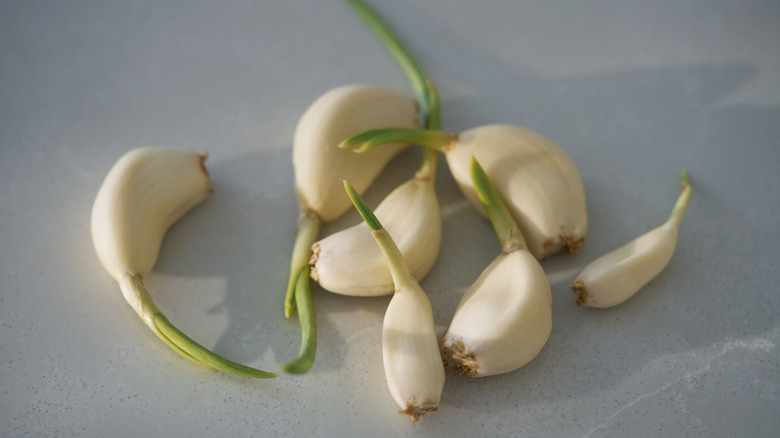
Don't let the vampires catch on to this one. Even garlic lovers know that there's a point at which the allium's flavor becomes too much for a recipe to handle. A couple of cloves may suffice, but if you're adding a whole head to a recipe, you might want to consider pumping the brakes a little bit. In small doses, garlic can offer an almost spicy, aromatic quality that will elevate the existing flavors in a recipe. But if used in excess, it can be sharp and foreboding, which is the last thing you want for a lightly flavored sauce or dressing.
The nice thing about garlic is that you can control its flavor by cutting it larger or smaller. Large chunks of garlic diffuse their flavor less than a small mince. If you prefer a milder garlic flavor, you could always cut large pieces of garlic and then fish them out before serving.
14. Olives
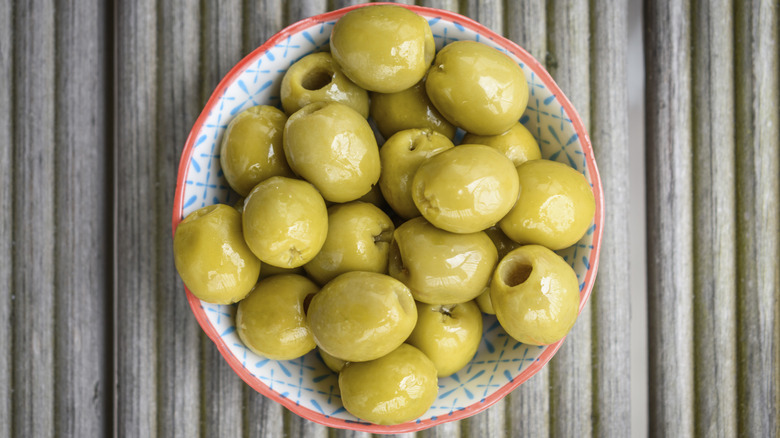
Dirty martini lovers will say there's no such thing as too many olives. However, because olives can have a very grassy or briny flavor, it's best to use them in small doses when cooking. You can go all-out with olives in a tapenade, but if you add too much to a salad or a recipe where it's supposed to just be a background flavor, you're guaranteed to be tasting their saltiness for awhile.
The best way to make sure that the flavor of your olives doesn't override the rest of the dish is to first make sure you're using the right type. Meaty Kalamatas are not good for cocktails, whereas black olives sometimes don't have a robust enough flavor to stand out against other ingredients in a dish like green olives would. You can also cut your olives larger or smaller to distribute their flavor throughout your bite.
15. Butter
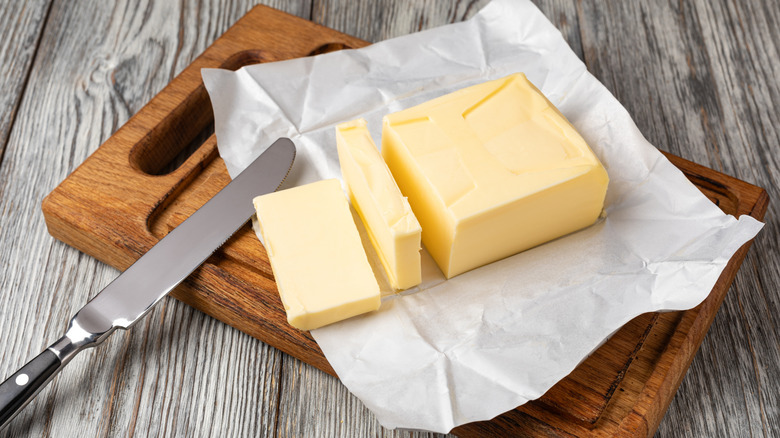
Butter appears in all sorts of recipes. Not only is it a must-have for flavorful bakes, but it's also used to finish freshly grilled steaks, to deglaze pans, and to top bread for a tasty and simple appetizer. However, it's very easy to use too much butter in your recipe and totally skew its flavor. Butter is rich and fatty, so when you add too much to your recipe, you may be left with a greasy mouthfeel and heavy flavor on the palate.
Butter can also play an important structural role in your recipe. Think about butter in cookies, for example. Too much butter in your cookies and you'll run the risk of them spreading out too much. While this particular instance can be remediated by adding extra flour, it's easiest just to make sure you're measuring and using the right amount of butter in the first place.
16. Nutmeg
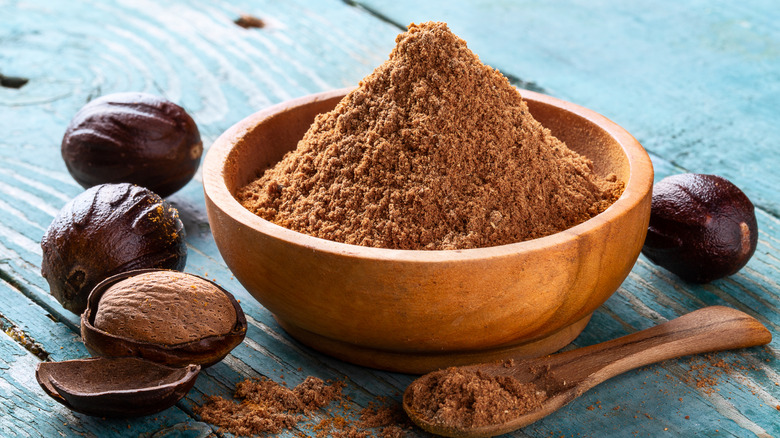
You may have had nutmeg before and not realized it. It's often added to béchamel sauce for extra warmth and flavor, though you may not see many recipes call for more than ¼ teaspoon of it because if used in excess, its flavor can be a little too woody, peppery, or piney.
If you mistakenly read "tablespoons" instead of "teaspoons," one of the easiest ways to dilute the flavor of this popular spice is to just add more of the other ingredients, like cream or milk. You can also add other spices, like cinnamon or allspice, to help distract from the nutmeg's flavor, but it really boils down to what recipe you're making. In other words, this trick might work for pumpkin bread but not a creamy Alfredo.
17. Cinnamon
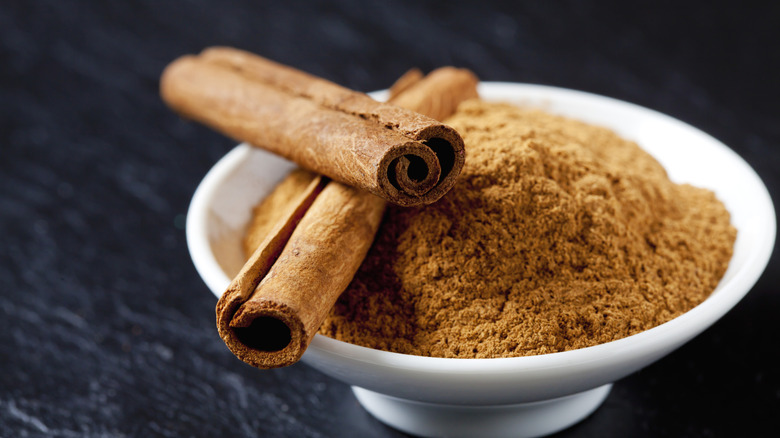
Cinnamon is a familiar addition to baked goods thanks to its delightful warming flavor. But if you add too much of it to your recipe, you could be in hot water. If used in large quantities, cinnamon can taste spicy and bitter — a far cry from the subtly sweet notes it's known for. Like other spices on this list, the easiest way to go about rebalancing it in a recipe is to dilute it with other ingredients, like fats and cream. You can also add other warming spices, like cloves, allspice, and ginger, to help dial back its earthiness.
It also helps to think in terms of complements. Cinnamon is sweet, which is why an acidic ingredient, like tomatoes, may come in handy. This could work well in a chili or a tomato sauce (we recommend adding cinnamon to both of these recipes to counter the acidity of the tomatoes).