

10 Of The Worst Aldi Recalls In The Chain's History
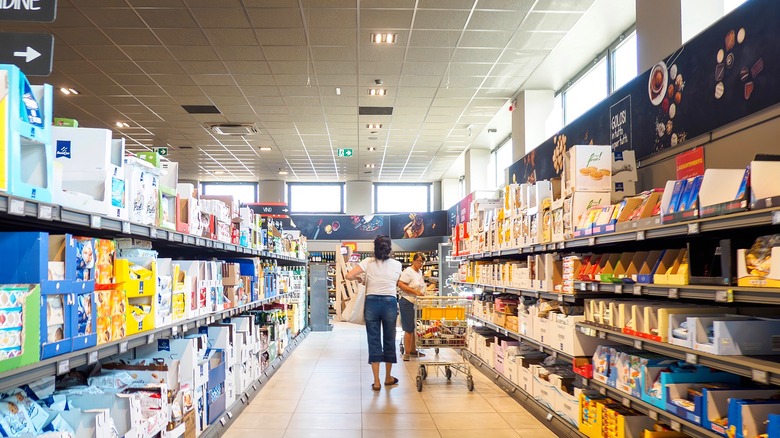
Few things are more efficient at inspiring synchronized stomach churning than news of a massive grocery recall, and no purveyor of foodstuffs is immune to the possibility of stocking tainted goods. To make matters worse, a 2020 study from the Public Interest Research Group found that only four out of 26 major grocery chains passed muster when it came to informing its customers of recalled items. Aldi, an industry favorite for its low prices, ever-changing stock, and European-style shopping experience, was not among them.
Recalls at Aldi don't appear to happen often, but as an international chain, it's been no stranger to high-profile alerts over the years. So, while it might be a bit hasty to toss out the ever-growing stack of reusable shopping bags you keep forgetting to bring with you to the chain, informed consumers do tend to be healthier consumers. As such, we've assembled 10 of the worst recalls in Aldi history. Just to, you know, keep your stomach on its toes.
1. In 2013, horse meat lasagna was sold by accident, causing a recall
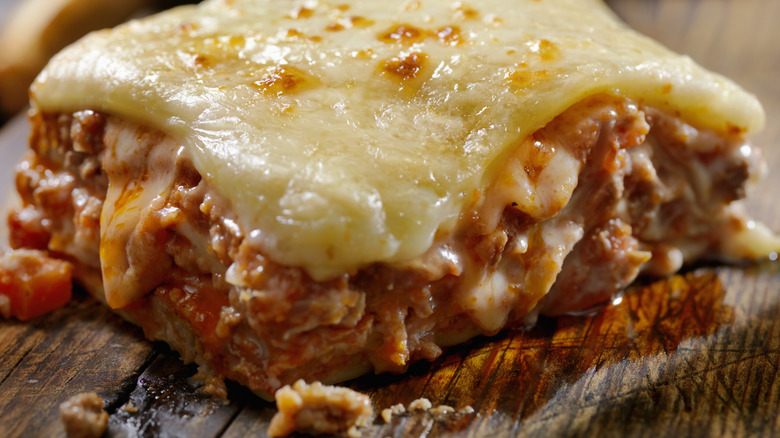
In 2013, United Kingdom and European Union shoppers found themselves unwittingly putting the horse in the cart when it was revealed that frozen "beef" lasagne sold at Aldi contained up to 100% horse meat. While the unauthorized protein might make equestrians and fans of Sea Biscuit a bit queasy (and we are all certainly entitled to know what we are putting in our bodies), there isn't anything inherently toxic about horse meat. There are, however, potential health dangers due to the risk of ingesting phenylbutazone, a chemical sometimes used to treat horses, which is banned from agricultural products and not considered safe for human consumption.
Suspicions arose that the equine contamination was the result of criminal activity, prompting an international investigation. Dutch wholesaler Willy Selten of Willy Selten BV was ultimately tried and sentenced to two and a half years in prison after he was found guilty of selling 300 tons of horse meat labeled as beef in the U.K. The trial cracked open a much larger story, though, affecting two dozen countries, and securing its place in history as the 2013 European Horse Meat Scandal.
2. Aldi recalled bagged salad products in 2020 due to Cyclospora
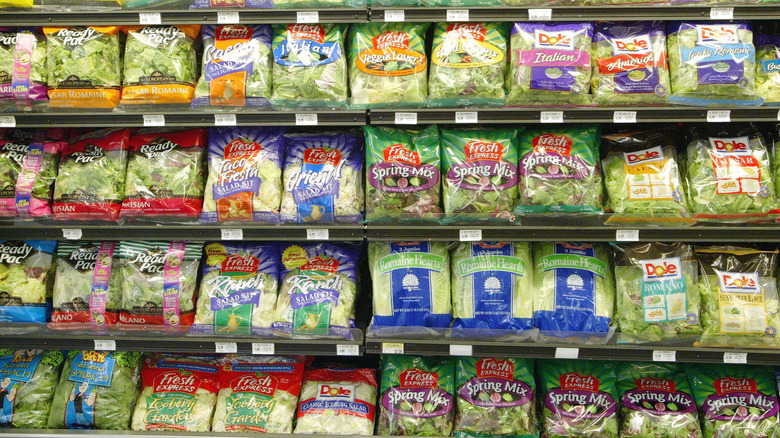
We like to think that healthy eating habits will keep us out of the hospital, but none of us is immune to irony. In 2020, Aldi joined grocery chains Walmart, Hy-Vee, and Jewel-Osco in recalling bagged salad products from Fresh Express, the maker of Aldi's Little Salad Bar Garden Salad. The culprit? Cyclospora, a warm-weather parasite that causes Cyclosporiasis, an intestinal infection responsible for watery and explosive diarrhea, nausea, fatigue, and other flu-like symptoms. And if that's not enough to put you off fresh produce, it gets worse: it's transmitted through the consumption of food or water that has been contaminated with stool containing the parasite.
This particular outbreak caused a staggering 701 infections and 38 hospitalizations across 14 states. There is a silver lining, however: untreated, the illness can last anywhere from a few days to a month, but antibiotics are highly effective at treating the infection.
3. Listeria contamination prompted a recall of turkey and chicken in 2024
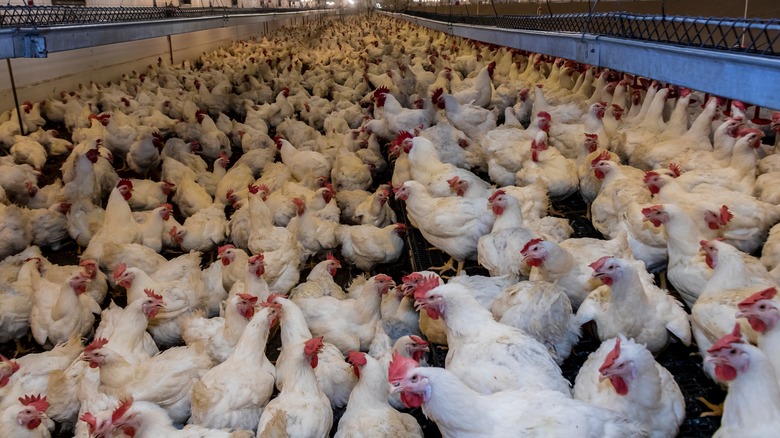
3,743,262 pounds is a lot. It's roughly 1,871 tons, or approximately 150,000 square feet of brick. The sheer quantity of poultry it would require to reach such a weight is nearly unimaginable. Yet, in October of 2024, Aldi was involved in a significant recall that managed to recover exactly that amount of meat over potential listeria contamination.
Incredible as that sounds, it accounted for only around 31% of the nearly 12 million pounds of turkey and chicken products subject to the recall from major pre-cooked meat producer, BrucePac. Aldi wasn't alone in this: the recall affected nearly every major chain, including Trader Joe's, Wegmans, 7-Eleven, Kroger, Walmart, Target, Costco, Meijer, Giant Eagle, Amazon, Safeway, and others. Some recalled products were even sent to school systems.
Listeriosis (the infection caused by listeria) is serious; it can spread beyond the gastrointestinal tract, causing stiff muscles, confusion, and lack of balance. It can cause stillbirth in pregnant women, and be deadly in adults 65 and older, people with compromised immune systems, and newborns. Miraculously, there were no reported illnesses from this outbreak.
4. In 2023, Aldi recalled fruits over a Salmonella outbreak
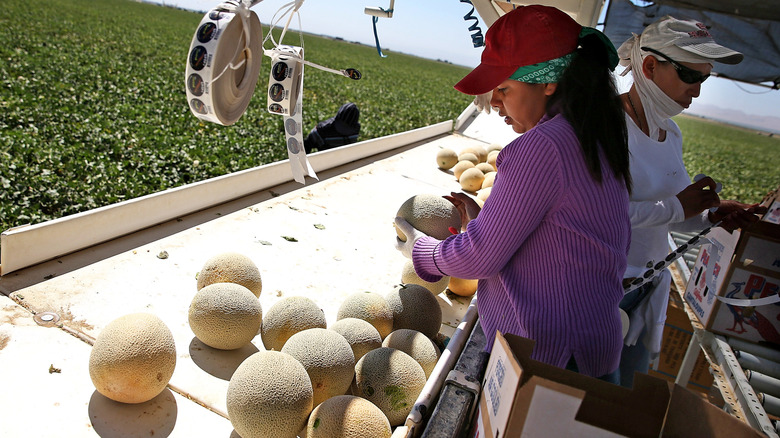
Whether diced into a salad, wrapped in prosciutto and drizzled with honey, or simply sliced and savored, cantaloupe is a perfectly sweet, crisp, and refreshing natural treat. The idea of anything hazardous lurking under that tough, netted rind among its aromatic orange flesh seems counterintuitive. Especially when you consider that it was the humble cantaloupe that gave us the strain of penicillin that has saved millions of lives across the world. Unfortunately, this isn't a story about melons saving lives.
In November 2023, Aldi recalled cantaloupe and pineapple products imported from Mexico for fears of Salmonella contamination. Whole, pre-cut, and sliced cantaloupe sold under Malachite Vineyard, Freshness Guaranteed, RaceTrac, and Aldi brands were all pulled nationwide. The recall affected a whopping 44 American states as well as parts of Canada, causing 407 illnesses, 158 hospitalizations, and six deaths, with the Centers for Disease Control and Prevention reporting that the actual number of illnesses was likely much higher.
5. Bread products were pulled due to a possible metal contamination in 2024
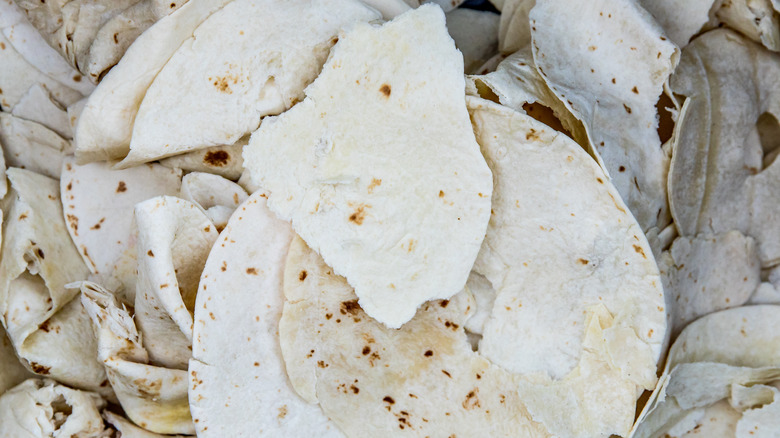
The vast majority of recalls are the result of unforeseen contamination or, at worst, supplier negligence. So there's something particularly unnerving about one that involves suspicions of intentional sabotage.
In March of 2024, Aldi pulled Signature Flatbreads' Village Bakery 8 Tortilla Wraps from U.K. and Ireland stores, citing potential metal contamination. Which would be bad enough if it weren't due to suspicions of deliberate tampering. Aldi announced the recall as a "precautionary measure," and prompted a police investigation into a warehouse in Dunstable, England. While there don't appear to have been any injuries related to the incident, there also doesn't seem to be any kind of publicly available conclusion to the police investigation. The unresolved mystery of the culprit (and its motive), combined with the apparently sinister intentions of causing indiscriminate harm, earns the event a spot among the worst recalls in Aldi history.
6. Aldi recalled sandwiches in 2019 over plastic contamination
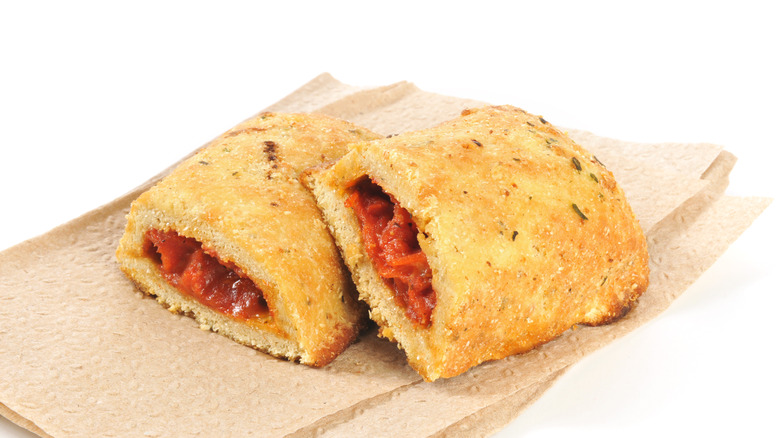
The sandwich. Limitless vehicle of savory delights. Canvas of culinary experimentation. Icon of regional fare. Classy and classless, slapped together or expertly assembled, toasted, pressed, or crustless, nothing in the pantheon of daytime cuisine is so versatile, so accessible, so infinitely open to interpretation and expression as the sandwich. There are only preferences between two slices of bread; there are no rules. Well, there are almost no rules.
In 2019, nearly 60,000 pounds of stuffed sandwiches from J&J Snack Foods Handhelds Corporation were recalled due to an unlisted ingredient: plastic. The frozen pocket-style pizza and ham sandwich items were available at select Aldi stores across the country. To be fair, these seem to more closely resemble calzones than sandwiches, so it's possible that the lunchtime staple's anarchic reputation remains intact here. But perhaps some rules should apply to literally everything people eat. While the recall was prompted by consumer complaints, there were no reported injuries or illnesses.
7. In 2024, bone fragments lead to a sausage recall
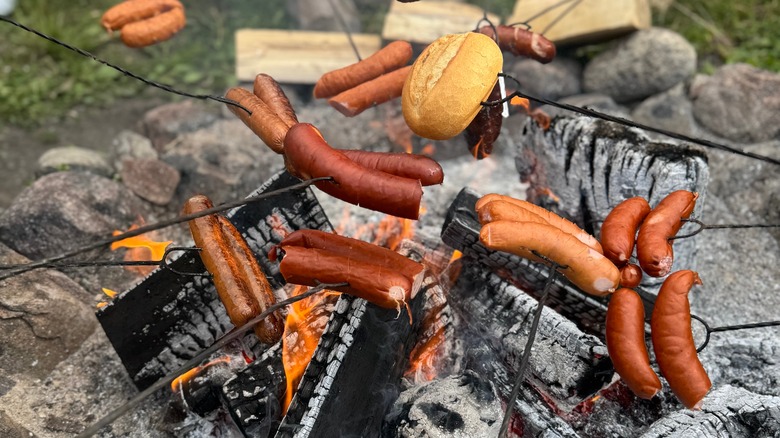
Kielbasa, or Polish sausage, comes in myriad varieties. It can be smoked or air-dried. It's usually made with pork, primarily, although it can contain other meats, like beef, as well. It can be seasoned with caraway, garlic, peppers, marjoram, or coriander. Among the more health-conscious, a turkey version may even be permissible. In other words, there aren't many hard and fast rules when it comes to tube meat, even (and maybe especially) in the regions where it is counted among standard fare. Bone, however, has never been among the acceptable ingredients of Polish sausage-craft.
In January 2024, Aldi, prompted by consumer complaints, recalled 133,039 pounds of Salm Partners, LLC's Parkview turkey kielbasa from 35 states for potentially containing bone fragments. If you've ever carved your own Thanksgiving bird, you know there are some hidden bones in the feathered fare, so it's not entirely surprising that a few bits found their way through the commercial production process. That said, the idea of chomping down on one isn't a particularly comforting — or appetizing — thought. Fortunately, there was only one minor injury reported.
8. Plastic contaminated American cheese in 2023, causing a recall
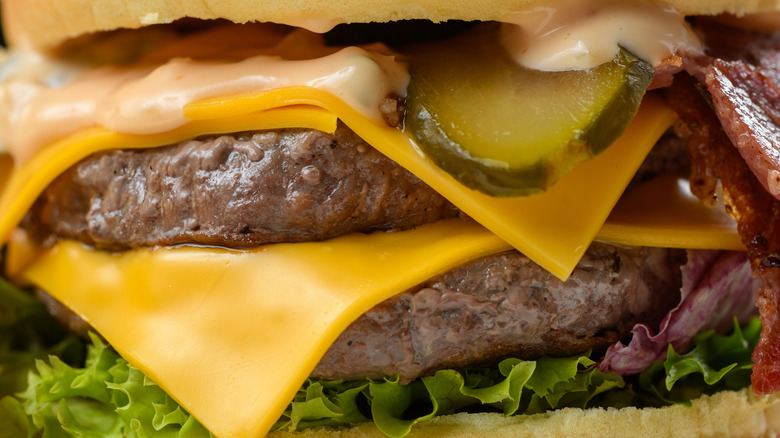
Few items more widely conjure warm and fuzzy images of American childhood mealtimes than the yellow-orange cheese approximation that is the Kraft Single. It's a symbol of innocence, of undeveloped palates and nostalgic grilled "cheese" indulgence. We know it's not cheddar, and we don't care. So this one is a bit hard to swallow.
In 2023, Aldi was involved in a massive Kraft American Slices recall. An apparent mechanical malfunction caused improper packaging that resulted in thin strips of the plastic film remaining on the favorite cheese-like sandwich topper after unwrapping. The strips were so thin, in fact, that some people didn't notice them. An astounding 83,800 cases across 37 states were recalled for the potential choking hazard. Six customers reported gagging choking on the slices, but no injuries were reported. The number of ruined childhood memories is as yet undetermined.
9. In 2024, coppa was recalled due to a Salmonella outbreak
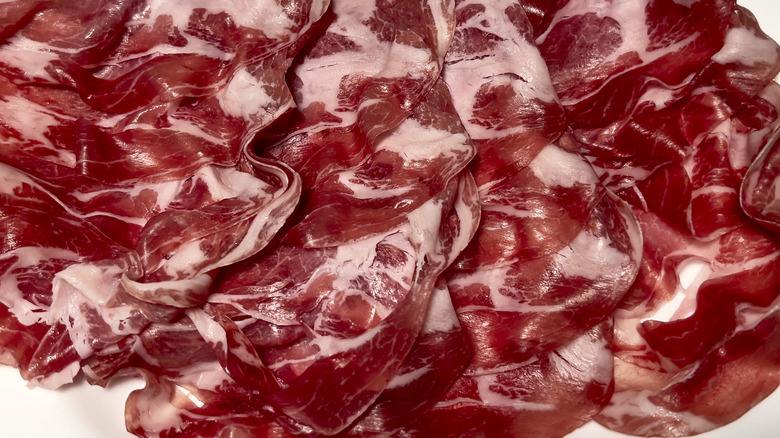
Coppa is that deep burgundy, marbled, whole-muscle, air-dried pork delicacy hanging from the ceiling of the salumerias in your wildest Tuscan dreams. Herbaceous, earthy, sliced thin and laid over a crust of freshly baked bread, in the world of charcuterie, there are few things quite so satisfying as this cured revelation made of time, salt, and tradition. Unless it's early 2024, and you bought it from Aldi.
In 2024, 104 people were reported ill with Salmonella in an outbreak traced to coppa produced by Fratelli Beretta USA. The company's charcuterie products are sold under a variety of name brands nationwide, including the Aldi store brand, Appleton Farms.
Particularly alarming is the extended timeline of this outbreak; the first associated illnesses were recorded in November of 2023, and the first recall wasn't initiated until January 3, 2024. The outbreak resulted in the recall of a staggering 632,573 pounds of charcuterie, and landed 27 people in the hospital. Thankfully, everyone survived to eat another day.
10. The company issued a recall of un-inspected meat products in 2023
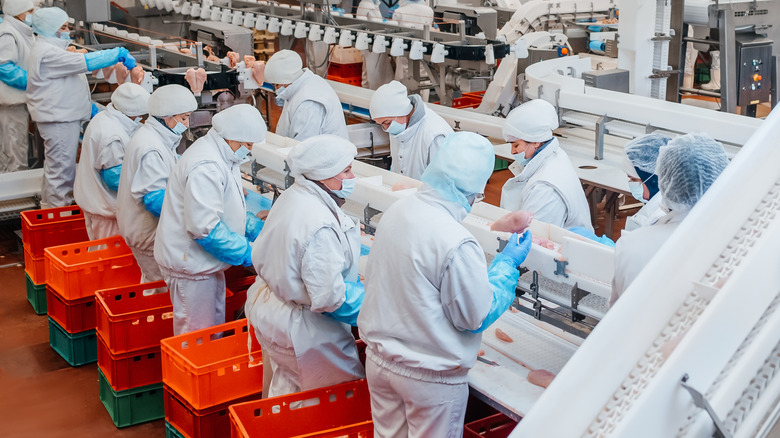
While recalls usually occur due to the discovery of potential contaminants, this one happened because nothing was discovered at all. Depending on where you're from, barbecue can be a noun or a verb, pork or beef, tomato or vinegar. In the Southeast and into Texas, barbecue is a noun, and that noun is a religion. Whether the fine denizens of the Church of Barbecue find the cause of this recall — or the recall itself — the greater sin is up for debate (right after they decide whether something that comes in shrink-wrap can rightly be called barbecue to begin with). In any case, messing with the people's pork is bound to raise some ire.
In 2023, over 40,000 pounds of pork products were recalled from Aldi and Walmart. Eastern Meat Solutions, a Canadian importer of raw, boneless pork, initiated the recall when it was discovered that its products, which had been further processed into barbecue items by other companies, had not been presented for import re-inspection when entering the United States.