

Why Tequila May Taste Different In Mexico
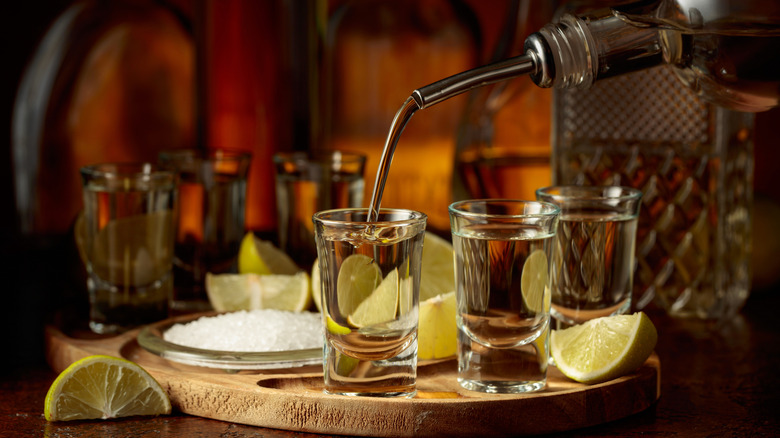
Traveling is more than just seeing popular landmarks and shopping for souvenirs. Diving into the local culture through food and drinks is also a big part of the experience. Trying out local delights, even if we have versions of them back home, is an activity you shouldn't skip. And in Mexico, it's all about the tequila.
This distilled spirit originates in the country, and today, only Mexico can legally make tequila. A lot of members assume this means the bottles here don't taste the same as the ones sold in the United States. To find out the truth behind this theory, Chowhound sat down for an exclusive chat with Miguel Roa Castañeda — the master tequilero at Tequila Corralejo and a químico farmacéutico biólogo, or, pharmaceutical chemist. He said the ingredients don't differ — but one other important thing does. "The difference in alcohol percentage — 38% in Mexico versus 40% in the United States — creates this perception of a difference between tequila in Mexico and exported tequila," Castañeda said.
The recipe for the bottles of tequila sold in Mexico and America is the same; they just vary in alcohol percentage. This is because the U.S. has a law requiring tequila to contain no less than 40% ABV. No matter the alcohol percentage, the quality should be identical, as real tequila must meet the standards of the Consejo Regulador del Tequila, or Tequila Regulatory Council, before it can be bottled and shipped out.
The many ways people enjoy tequila
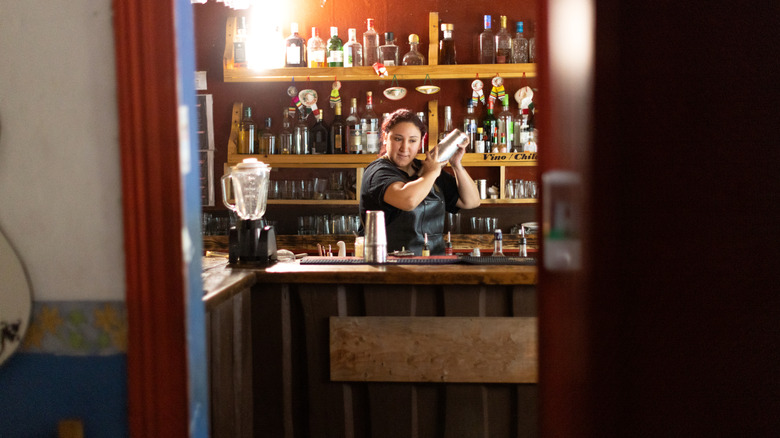
Not only does tequila in Mexico come with a lower ABV — the drink is often enjoyed much differently. "In Mexico, tequila is consumed 'straight,' in a paloma or with mineral water, and in this last year we've seen the preference for blanco tequila — not cristalino — increase," Miguel Roa Castañeda said. Meanwhile, in America, tequila is usually served in cocktails.
If you notice any other difference in the taste of tequila in Mexico, Castañeda claims the setting in which this spirit is enjoyed also comes into play. After observing a tasting panel, Castañeda realized that people in high spirits were able to capture the subtleties of the drink faster. Those in a bad mood were quicker to identify less pleasant notes, like the sharp taste of raw agave.
To see which nuances you can detect, why not set up a tasting panel of your own? As long as you know how to identify tequila's tasting notes, you might even develop a fuller and deeper appreciation for one of Mexico's best inventions. And remember, whichever way you want to enjoy your tequila, one thing remains the same: the best foods to pair with tequila.