

Vintage Vs Non-Vintage: What These Wine Bottle Labels Mean
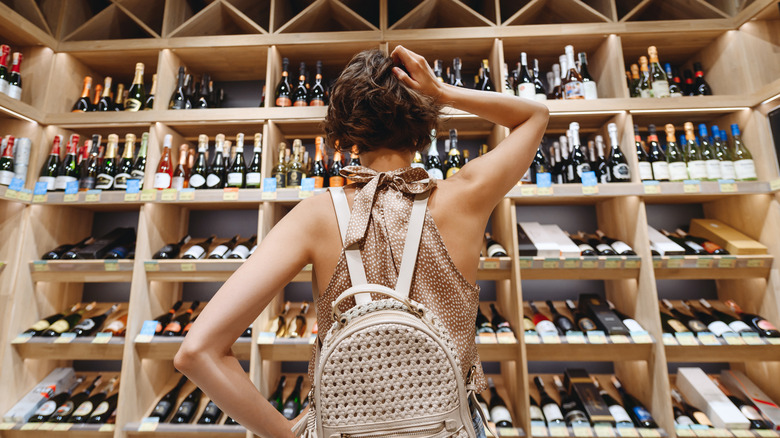
When it comes to buying wine, there are an inordinate number of choices and variables. Big demarcations like country, grape varietal, or style can be almost paralyzing when you are faced with an aisle full of bottles. Zoom in a bit more on the labels, and you start to encounter even more terms, like organic, unfiltered, and vintage. It's enough to make you grab the first bottle your eyes are drawn to and run to the cash register to avoid further confusion.
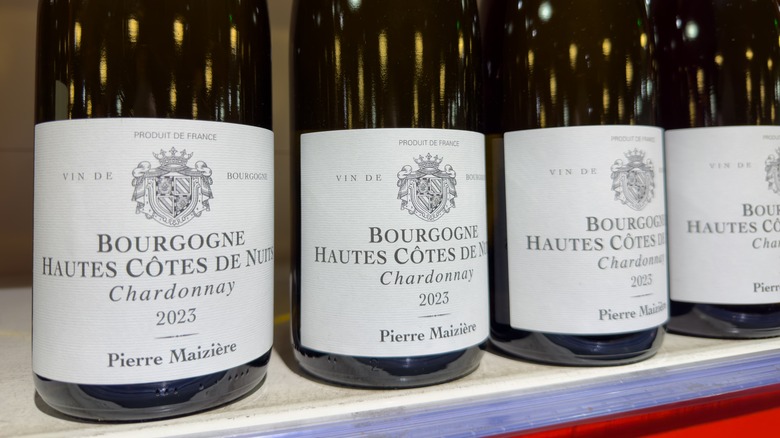
To learn about the difference between vintage and non-vintage wine, we sat down for an exclusive chat with May Matta-Aliah — a wine educator and president of In the Grape. Matta-Aliah has spent almost two decades educating people in New York City on all things wine, and she easily broke down the difference between the vintage and non-vintage labels for Chowhound readers. "A vintage wine is the product of a singular year's harvest that is identified by that year," she explains. The year will typically appear on the front or back label of a bottle of wine. A non-vintage wine, on the other hand, won't have a date on it at all. "A non-vintage wine is a blend of multiple years and therefore will not have a reference to a year on the label," Matta-Aliah says. So, these potentially confusing terms are merely clarifying the difference between a single harvest wine, a vintage, and a wine made from multiple harvests that are blended together: a non-vintage wine.
Is vintage or non-vintage wine better?
Now, do these terms tell us anything about a wine's quality or taste? According to May Matta-Aliah, not really. "A vintage wine will represent the growing conditions of that year; as such, it is impacted by the weather patterns the region endures that growing season. If the conditions of that particular growing season are good, that is typically reflected in the quality of the wine," she explains. Conversely, if it is not a good growing season, you'll taste that in the wine. This is why issues like climate change really do affect winemaking. If it's a bad growing season, winemakers might opt to create more non-vintage bottles.
Producers might also choose to craft non-vintage wines to create a product that is consistent from year to year. "In wine regions where producer name and house style are the driving force behind most consumer purchasing decisions, the ability to blend various vintages to maintain a 'house style' is very important," Matta-Aliah explains.
To save money on wine while still buying the best, focus less on terms like vintage and non-vintage and look for small, independent producers instead. The term vintage opens the door for curious consumers to explore how things like drastic temperature changes and rain can affect a harvest, but ultimately, the taste of a wine varies from year to year. Perhaps a side-by-side tasting to appreciate these nuances, and learn more about reading wine labels, is in your future.