

The Detail About Organic Wine's Shelf Life You Won't Find On The Label
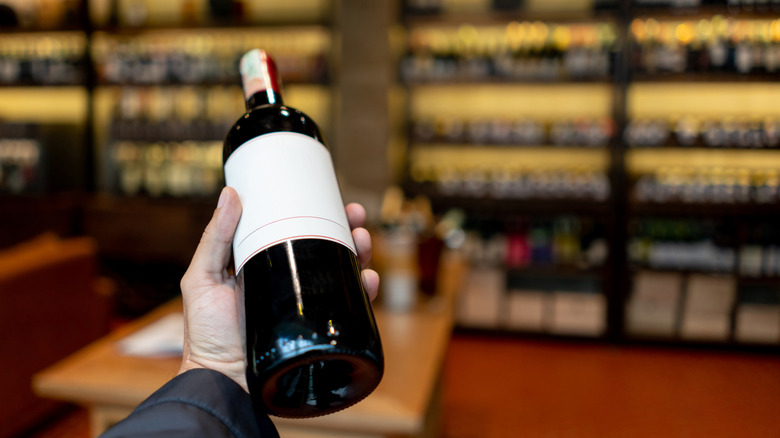
Diving into the world of wine can feel overwhelming. Sure, most of us may know a few grapes or regions we like, but there's a lot of information to wade through. If you're hoping to learn more, there are some helpful tips to know that will save you money on wine. And Chowhound has compiled a list of the 15 most underrated wine regions around the world, according to experts, that can be of service to expand your palate. If you're familiar with natural wine, you may know it can get a little confusing to understand all of the different classifications and processes that go into it. While all natural wine is organic, there are some more details to understand about how organic wine is made and where it comes from, which in turn affect its shelf life.
To help us understand more on the subject, we reached out to an expert. In a Chowhound exclusive, Helena Nicklin, drinks writer, broadcaster, and founder of HelenaSips Wine Academy, explains that an organic wine's shelf life is all about the sulfites. "Sulfites are an antioxidant and antimicrobial," she explains, which will help keep it fresh longer. She says there are different rules in the United States and Europe for what organic means — which may not be explained on the label. "In the States," she continues, "if a wine is labelled 'organic', no sulfites are allowed to be added, whereas wines labelled 'made with organic grapes' from Europe can still add some, albeit at lower levels than most." So, if you're drinking organic wines from the U.S., they may have a shorter shelf life, and you'll need to finish them faster once opened, as they may start to sour sooner.
What to know about organic wines compared to natural wines
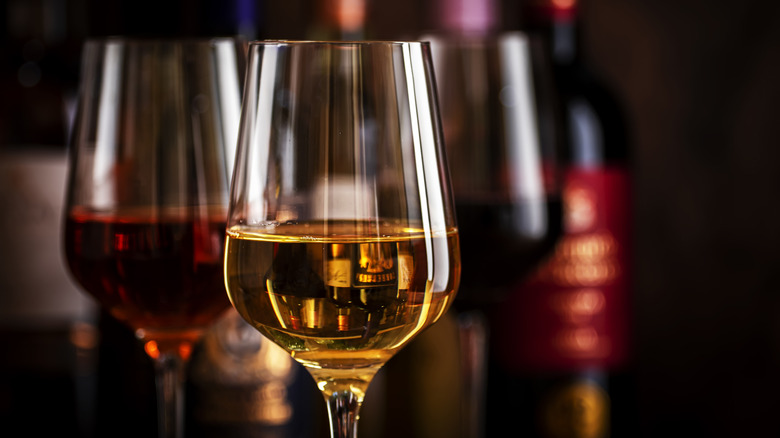
Helena Nicklin says people often confuse organic and natural wines. "While there's no legal definition for 'natural' wine yet, it generally means wines are made with fewer (or no) additives like sulfites and commercial yeasts, as well as any other additions," she explains. Nicklin notes that's why natural wines taste funky and can differ in flavor from what you might be used to from the same grape varietal in an organic or conventionally produced wine. She emphasizes that organic wine from the United States may not go as far with the lack of additives as natural wines, but they have fewer additives than their conventional counterparts.
However your wine is produced, Nicklin says it should always be stored in a cool, dry, dark space, lying on its side, so no air can enter (especially if it has a cork topper). This is even more important with wines with no added sulfites. "Any wines without sulfites will be more prone to early oxidation or microbial issues that could make a wine taste unfresh and mousy," she adds.
Wondering how to tell if your natural wine has aged past its prime? "Wines that are past their prime have an element of bruised or stewed fruit about them," Nicklin says. When they're not fresh they can be dull or have strong balsamic notes. "It's worth noting though," she says "that sulfites occur naturally as part of the fermentation process[...] so there's no escaping them entirely."