

The Best Vegetable Garden Layout For The Ultimate Yield
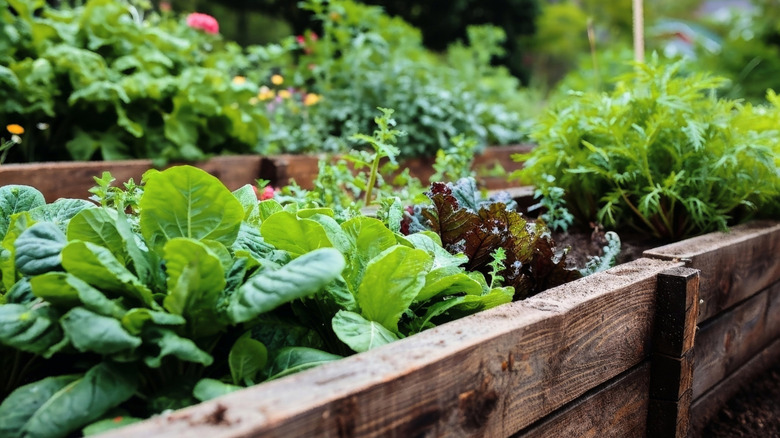
If you've been horrified by recent grocery receipts, you may be thinking, "It's time I gave gardening a try." But unless you're planning to do a container garden (which is a valid option, as many types of veggies can be grown in pots), it will definitely serve you well to plot out your garden space beforehand. Lara Hermanson, co-founder of Farmscape, shared her expertise with Chowhound to help beginner gardeners. Hermanson runs Farmscape's Northern California branch and has a wealth of experience as a licensed landscape contractor, organic farmer, landscape designer, and project manager.
Hermanson recommends starting with raised beds — but make sure they are the right size and in the right place. The ideal size, she says, is four feet wide and between 12-18 inches deep. The four-foot width ensures you'll be able to reach the center of the beds without straining. The length can vary, but "one or two 4×8 beds can deliver impressive harvests without overwhelm," she says. And plan a roomy path between the beds — about 24-36 inches — "for airflow and access."
As far as positioning the beds, Hermanson says to "Run beds north–south so shade falls where you want it." Provide plenty of light (6-8 hours a day), as well as healthy soil. Use "a high-quality mix that's 25–40% compost (then top-dress with 1–2 inches each season)," says Hermanson. And of course, water your garden. If possible, Hermanson recommends running a "consistent drip irrigation on a timer for deep, infrequent soaks."
Filling your garden beds
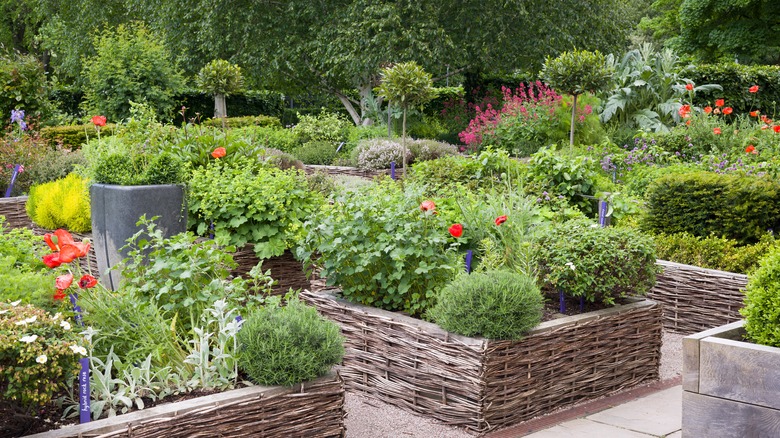
Once you've built the beds, picked the best spot for your garden, and added soil, it's time to plant! To help you stick to your new gardening routine, Hermanson recommends planting things you enjoy eating (although you may regret planting these fruits and vegetables). Also, don't try to do too much when starting out: one or two beds can make a big difference. For more specific advice, Lara Hermanson says, "choosing region-adapted, disease-resistant varieties raises your batting average." In other words, do a little research into what kinds of plants will thrive in your local climate — and what time of year to plant them.
For your beds themselves, Hermanson advises establishing a trellis on the northern end of your beds, where you can grow climbing plants like cucumbers and peas. Then, "group crops by height and days to maturity — tall indeterminates like tomatoes to the north, medium growers like peppers in the middle, and quick, low crops like greens along the south edge." To avoid overcrowding, envision your bed on a one-foot-by-one-foot grid, but fill in any extra space with "high-value minis," like lettuce, basil, or scallions, to get the most out of your bed.
Save yourself the headache of frequent weeding by adding 1 to 2 inches of organic mulch on top. And discourage pests by keeping soil healthy, rotating plant crops seasonally, harvesting frequently, and companion planting. Finally, "keep simple notes on dates, varieties, and lessons learned," says Hermanson. "You'll level up fast."