

The Hotel Meal Option That's Flexible, Underrated And Budget-Friendly
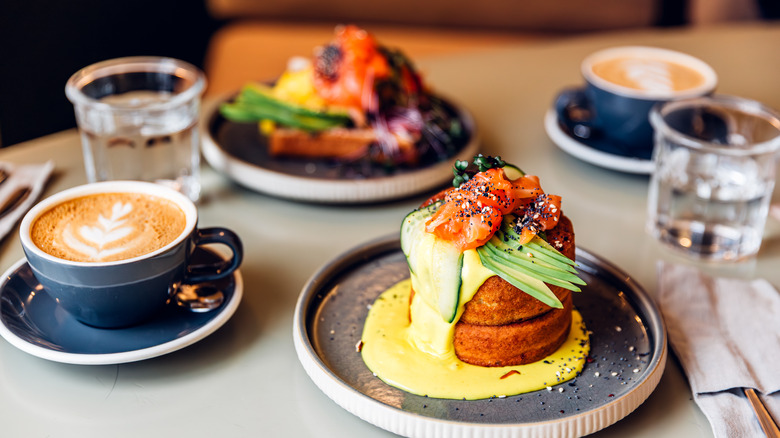
After flights and accommodation, food is often one of the biggest expenses when traveling. Many of us travel for food, but eating out for every meal adds up quickly. Depending on your lodging and where exactly you're traveling to, sometimes eating in the hotel can be a convenient option. If you don't want to do the all-inclusive option, consider a meal plan called half-board to cut costs without missing out on local dining experiences.
To get the lowdown on half-board hotel meal plans, Chowhound spoke to Victoria Fricke, owner of luxury travel agency Vic's Vacations, to get the details on what exactly this plan includes. Fricke explained that the meal plan depends on where you are staying, but it typically would include breakfast and lunch or dinner, coffee and tea, and possibly refillable mini bar items like light snacks and waters. On the other hand, the full board would be everything mentioned above, plus some alcohol, while all-inclusive typically allows unlimited alcohol.
This would leave you free to sort out one meal a day, which works out well if you plan on spending time away from the hotel and seeing sites. It's a middle ground between just booking a room with continental breakfast and going all-in with full board or all-inclusive packages. Starting and ending your day with a meal already taken care of can be convenient if you are traveling with kids, don't have a ton of time to eat throughout the day, or don't want to stress about reservations. This way, you also know exactly how much you will spend on food before you arrive, perfect for tighter budgets.
Half-board meal plans are more affordable and flexible
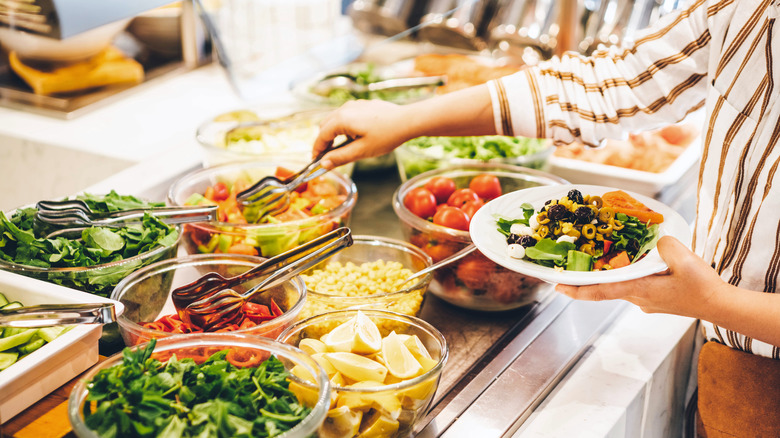
When is the right time to go for a half-board meal plan on your travels? Victoria Fricke recommends basing this decision on where exactly you're traveling to; for example, "If you're in a destination like Europe with easy access to food, it's a no-brainer, don't do full board. In a town like Crete, Greece, a half board is plenty. Eat your breakfast and dinner at the resort, but do lunch while exploring the town." You don't want to spend money on food if you won't even be at the hotel — but you'll probably be on the property in the mornings and nights.
If you're staying in a more remote property and are worried about not having the convenience of all the snacks, drinks, and meals you might want, there are ways to stretch the half-board meal plan. Fricke emphasizes bringing your own food and alcohol, and she assures that it's not a faux pas to do so. This is a great idea for alcohol, which can get pricey at the hotel — so snag a bottle of your favorite wine or spirit before check-in. To save money while traveling, don't be afraid to pack snacks for in-between meals and to prevent potential hangriness — a few granola bars, nuts, or instant oatmeal can go a long way.
However, if you plan on spending a lot of time at the hotel or resort property, then you might want to commit to a more robust plan. Fricke gives the example of Jade Mountain in St Lucia, explaining, "The food pricing isn't cheap, but you should be enjoying every waking moment on property. In your room, on the beach, and exploring the grounds." Another situation would be staying and eating at a Disney World Hotel — you'll likely choose between a half or full-board meal plan here because it can be trickier to take your own food and dine out on this vacation.