

8 Pricey Ingredients That Actually Make A Huge Difference
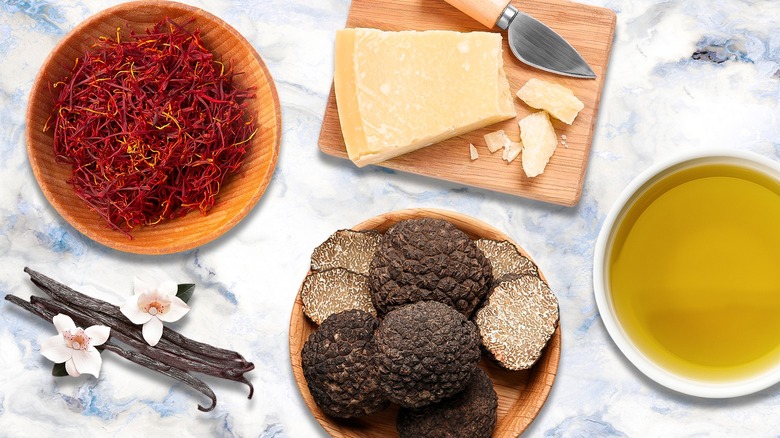
If you've been shopping at the supermarket (or at one of those overpriced specialty grocery stores) before, you may have found yourself standing in an aisle, staring at a $30 bottle of extra virgin olive oil next to the $5 alternative, wondering if the price actually makes a difference. Or, maybe you've hesitated over that $25 block of aged Parmigiano-Reggiano when there's odd-looking "parmesan" for a fraction of the price just aisles away. In a realm of food marketing overload and steep price tags, it's pretty natural to be skeptical or worried about whether premium ingredients actually deliver premium results.
Speaking from nearly a decade's worth of experience filling out inventory logs and ordering obscure ingredients as a professional chef, I can say that, truthfully, most expensive ingredients are overpriced with a flashy design to separate consumers from their wallets. However, some have earned their reputation through centuries of culinary tradition, and will genuinely transform your dishes in ways that cheaper alternatives simply cannot replicate. Level up your kitchen and try incorporating these pricey ingredients into your cooking so you can taste how much of a difference they will make.
1. Saffron
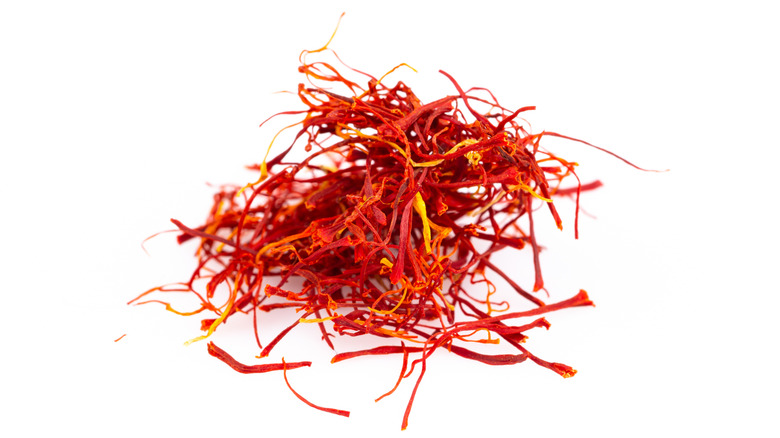
Saffron is a spice derived from the flower of crocus sativus, commonly known as the "saffron crocus." The spice has a delicate floral profile with earthy sweetness and hints of subtle bitterness. It's commonly known for its distinctive color that enriches culinary dishes, as well as its hefty price tag. Those tiny red threads cost more than gold per ounce, but just a pinch infuses paella, risotto, tahdig, or bouillabaisse with an unmistakable floral aroma and golden hue that no substitute can replicate.
The reason why saffron is so expensive is that it's extremely labor-intensive to cultivate and harvest. Each flower yields only a small quantity of three saffron stigmas, which must be hand-harvested before dawn or just after sunrise to protect the delicate blooms from sun damage. So, in order to produce one pound of saffron, you'll need around 75,000 flowers! If you really want to maximize the flavor of saffron, you can lightly toast it in the oven to deepen its sweet, smoky flavor.
2. Extra virgin olive oil
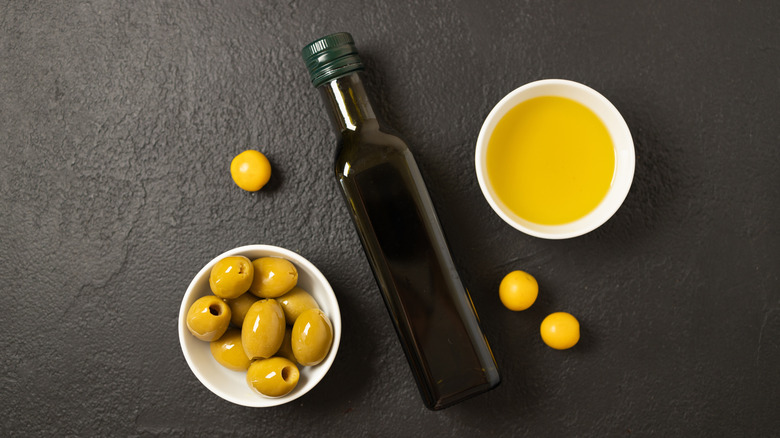
A bottle of ordinary olive oil might cost around $8, but some premium extra virgin varieties can cost upwards of $50 or more per bottle, and the difference is unmissable. When buying olive oil, you should look for one that's extra virgin. The term extra virgin signifies that the olive oil is at its purest and highest quality. It is an unrefined oil, which means it is made by cold-pressing whole olives without any additional heat or chemicals.
In order for it to be considered extra virgin olive oil, the oil must pass a series of laboratory tests to confirm its extraction was produced without chemicals, it has a maximum acidity level of 0.8%, and is free from any defects. Pure, unadulterated extra virgin olive oil that's been cold pressed delivers another level of complexity that cheaper bottles cannot match, resulting in a much more fruity flavor with a peppery finish and grassy notes.
Keep in mind that extra virgin olive oil has a larger range of flavors from delicate to complex, with each producer having unique aromas and distinctive flavor profiles. It's an incredibly versatile ingredient that can be used for cooking, baking, and as a flavorful finishing touch to elevate your dishes. If you're making a dish like classic pasta e fagioli with chard, liven it up with a drizzle of extra virgin olive oil. Throwing together a cheese board? Douse a burrata in extra virgin olive oil and serve it alongside a store-bought pizza dough focaccia.
3. Truffles
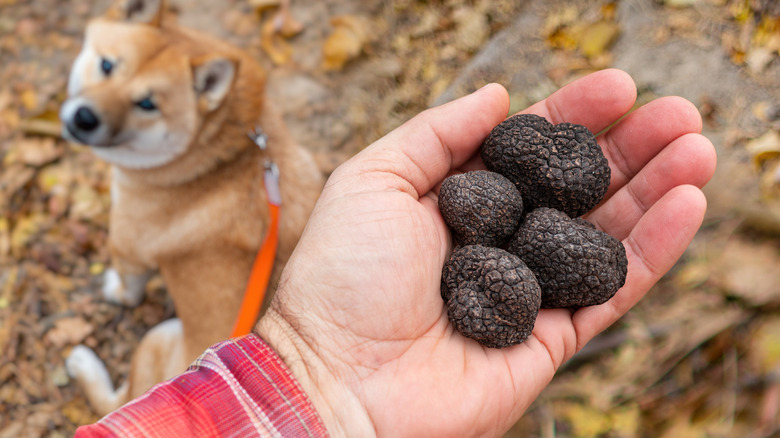
For those of you who don't know, there are two different types of truffles on the market. The most common and affordable are the black truffles. While still costing around $40 to $100 per ounce, these truffles are known for having an intense, earthy, and garlicky flavor. If you can find a higher-quality black truffle variety like the Burgundy or Périgord, you might even be able to taste subtle hints of hazelnuts and chocolate.
The crown jewel of the truffle kingdom is the white truffles, costing roughly $150 to $275 per ounce. There's a reason why white truffles are always labeled with a hefty price tag — it's because they're incredibly rare, nearly impossible to cultivate, and have an enchanting flavor and aroma that cannot be found in any other ingredient. The white truffle has a deep, complex flavor with notes of the forest floor and tree roots it grows under. With a less garlicky taste than its counterpart, the white truffle exhibits an intense nutty and oaky flavor. Some people described them having a subtle, creamy, cheesy flavor that melts on your tongue.
While black truffles can be incorporated into various dishes, from pasta to rice dishes to sandwiches, white truffles should be reserved for the final touch on simple dishes. The complex flavors of the white truffle should never be competing with other ingredients, so if you have your hands on one, keep it simple — use it to garnish eggs, buttered pasta, or maybe even a simple crostini with prosciutto.
4. Vanilla beans
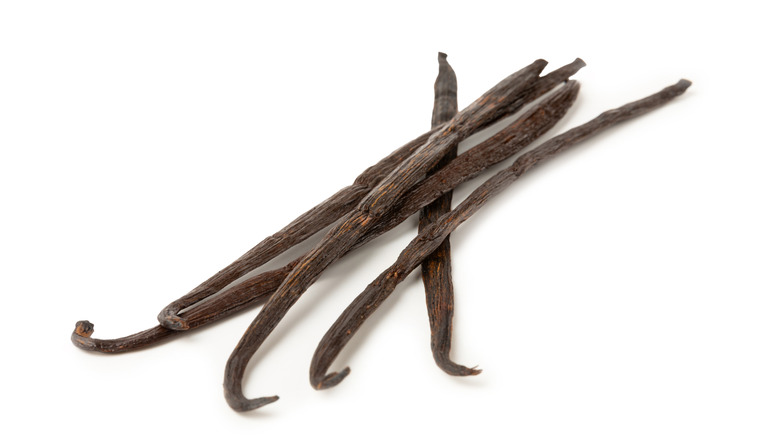
Another pricey ingredient that makes a huge difference is vanilla beans. Though vanilla extract is a kitchen staple, vanilla beans deliver a deeper vanilla flavor with greater intensity. Plus, those tiny, distinctive black specks throughout your desserts provide an artisanal look that signals premium quality — it's kind of like an instant garnish that requires zero extra work.
While there are many vanilla bean varieties, such as Tahitian, Mexican, and Bourbon, the Madagascar vanilla beans are considered one of the premium varieties. Scraping those black seeds from Madagascar vanilla pods delivers a complex, creamy, floral flavor that makes vanilla extract taste quite boring and one-dimensional by comparison. Once you start using Madagascar vanilla beans in your baking, your crème brûlée, cookies, cakes, and creams will never be the same.
You can find vanilla beans being sold at most supermarkets, specialty stores, and online. Typically, one Madagascar vanilla bean can cost around $10 to $12, and one pound can be upwards of $190. While the price might be steep, it's definitely an investment if you're an avid baker and looking to level up your confectionery creations. To maximize their shelf life, wrap vanilla beans tightly in plastic wrap and store them in an airtight container in a dry cabinet away from heat and moisture. Make sure to never store them in the refrigerator, since the excess moisture can prompt mold growth and even dry out your beans.
5. Parmigiano-Reggiano
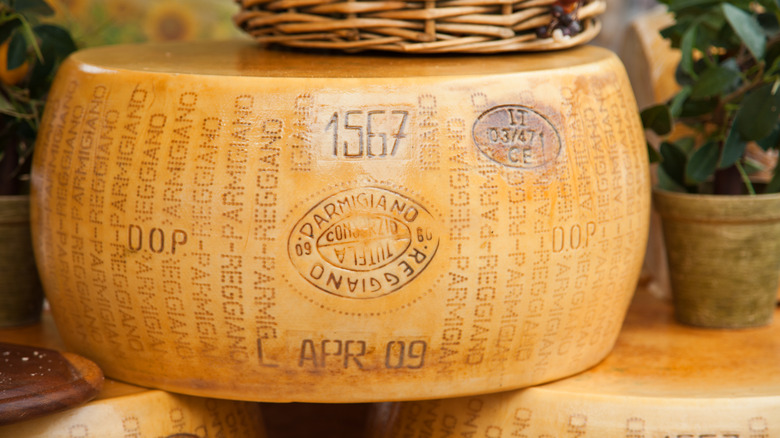
Parmigiano-Reggiano is a hard, granular cheese made from the milk of cows from the Italian regions of Parma, Modena, Reggio Emilia, and other parts of the Emilia-Romagna region. For it to be real Parmigiano-Reggiano, the cheese must be certified by the DOP (protected designation of origin), which requires being made in specific regions of Italy using traditional methods, local milk from designated breeds, and aged under strict environment and time regulations set forth by the organization. This ensures quality controls, authenticity, and the preservation of traditional cheesemaking practices.
You can find Parmigiano-Reggiano with various aging timeframes, ranging from 12 months (the minimum legal aging requirement) to over 36 months. Each stage develops increasingly complex savory, umami flavors and a more granular, crystalline texture. A younger wedge of Parmigiano-Reggiano has a more salty, nutty, and fruity flavor, whereas an older one can display complex notes of tobacco, caramels, and even cacao. One bite and you'll understand why Italians are so protective of this cheese.
Parmigiano-Reggiano can be used in a variety of different ways, from grating it over pasta and rice dishes to nibbling on it as a snack. While most supermarkets have it in stock, specialty cheese stores usually offer wedges with extended aging that you won't find in regular grocery stores. Depending on how long it's been aged for, it can cost around $11.00 to $15.00 per pound. To understand the complexity at each stage, try purchasing wedges from different months of aging.
6. Balsamic vinegar of Modena
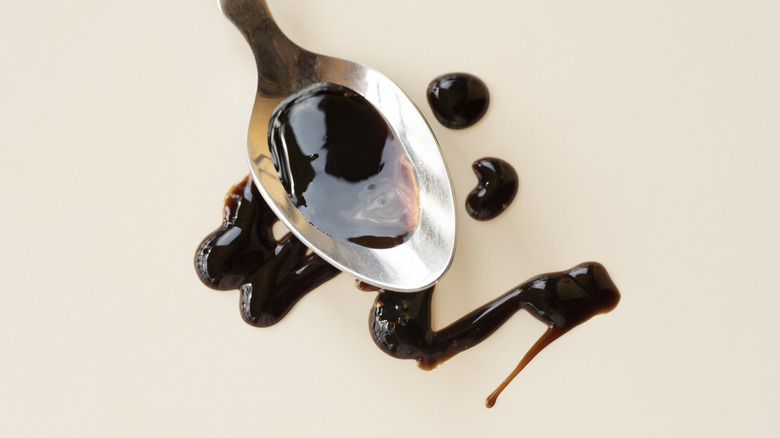
Balsamic vinegar of Modena, or in Italian, "Aceto Balsamico di Modena", is an IGP (Protected Geographical Indication), product hailing from Modena and Reggio Emilia. Similar to Parmigiano-Reggian'so DOP certification, the IGP ensures that the vinegar is produced according to strict traditional methods using specific grape varieties grown exclusively in these historic areas, where the craft of balsamic making has been perfected over centuries.
Balsamic vinegar of Modena is completely different from any other vinegar you'll find on grocery store shelves, offering a distinctive balance of sweet and tangy flavors. It's renowned for its complex flavor profile that varies by producer, with tasting notes that people describe as nutty, woody, or even subtly spicy. Traditionally, it's served as an aperitivo and drizzled over chunks of Parmigiano-Reggiano, or used as a condiment for grilled meat, vegetables, aged cheeses, and risottos.
Of course, you can jet off to Italy and buy it from the source, or you can also find it being sold at most supermarkets, Italian grocery stores, and online. The pricing varies by age, with a 4-ounce bottle costing around $48 on the lower end to $500 or more for a premium aged bottle. Just like Parmigiano-Reggiano, when buying, be sure to check that it has the correct certification to ensure you're getting an authentic and high-quality bottle.
7. Single-origin chocolate
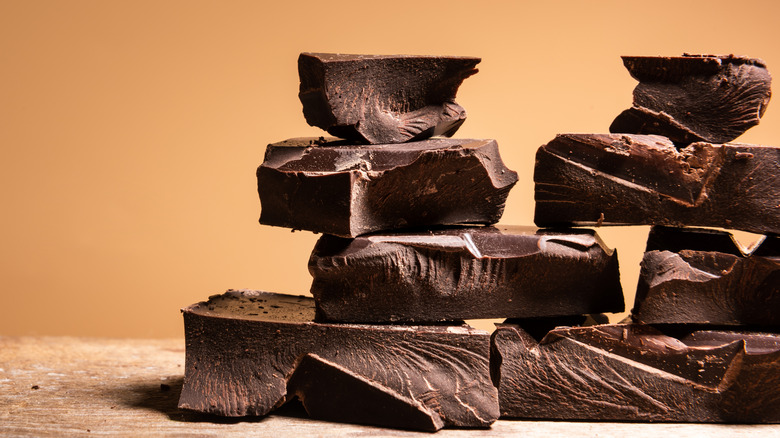
While commercial chocolate and candy bars might seem definitely more affordable, single-origin chocolate represents a completely different category of confectionery that has a justifiably higher price tag. For those who aren't familiar, single-origin chocolate is made from cocoa beans that are sourced from a single geographical location. It can either be from a single country, territory, region, or even plantation to be considered single-origin cocoa beans.
Similar to a high-quality bottle of wine, the reason why it's so prized is because the unique flavors of the chocolate are imparted by the specific terroir (soil composition, climate, location, and local microorganisms) in which the cacao beans are cultivated. Mass market chocolate companies often blend beans from multiple origins, which masks the distinctive environmental characteristics and unique flavors that each growing region imparts to the beans.
Each single-origin chocolate has its own unique flavor profile, with some often described as having notes of floral, fruity, nutty, and earthy flavors. Not only will you get to taste the full flavors of the beans, but buying a single-origin chocolate supports sustainable practices and economic growth for the farmers cultivating the cocoa.
8. Grade A maple syrup
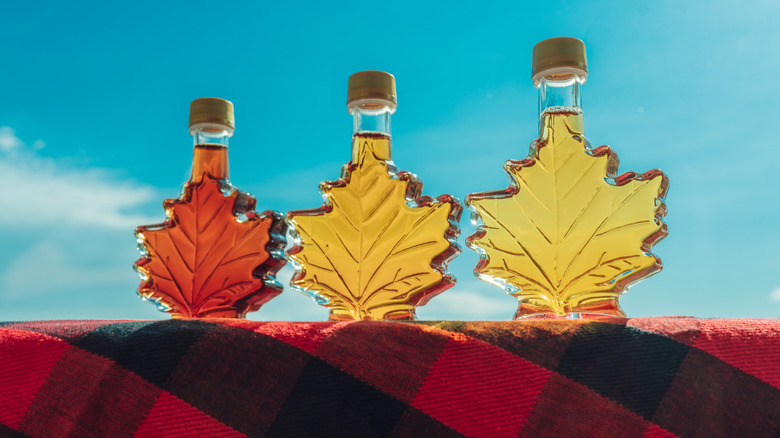
Just like many ingredients in this world, not all maple syrups are created equally. The difference between Grade A maple syrup and the typical grocery store brand "pancake syrup" or "maple flavoring" is unmissable. Real maple syrup is produced with the sap from maple trees. The thin, watery sap is collected from the trees and boiled down to remove all of the water content. This process concentrates the sugar molecules and other components to create the rich, golden syrup prized by chefs and home cooks alike!
There are four distinct Grade A maple syrup varieties, each offering different colors and flavor profiles: Grade A Golden delivers the most delicate, subtle taste, Grade A Amber provides the classic rich sweetness, Grade A Dark showcases robust and concentrated flavor, and Grade A Very Dark offers the strongest, full-bodied maple flavor. Each Grade A variety develops unique, nuanced flavors during production, ranging from buttery and caramel notes to hints of smoky, earthy undertones. Pick out your out bottle depending on the strength of maple flavor and sweetness you desire.
A bottle of Grade A maple syrup can cost anywhere from $15 to $20, compared to artificial alternatives ranging from $3 to $4. If you want to taste the true flavors of maple syrup, you should definitely ditch the sugary, fake alternatives and invest in high-quality bottles of Grade A maple syrup — your pancakes and waffles will thank you later.