

Red And Green Flags To Look For When Buying Produce At The Store
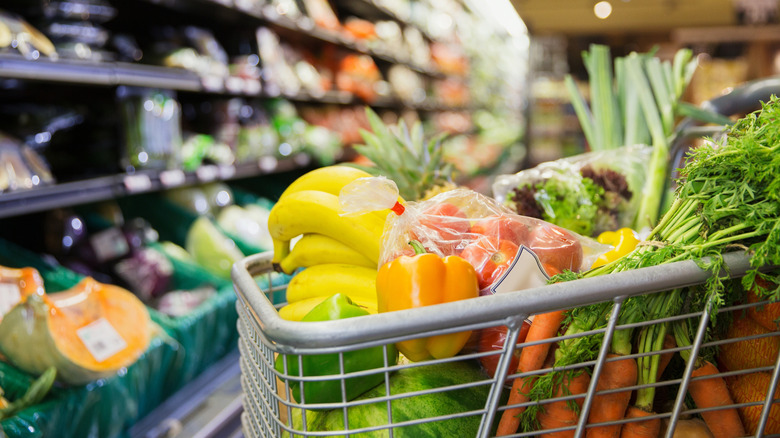
Produce may very well be one of the most challenging types of foods to shop for, not only because the task itself is difficult, but because there's no way of avoiding it. If you want the juiciest, ripest tomatoes for marinara sauce or the most crisp and tasty apples for apple pie, it's important to know what to avoid when purchasing vegetables and fruits, instead of just choosing items at random.
Bad produce that spoils early not only tastes disappointing, but wastes money, might be hazardous to your health, and can even attract pests or cause other fruits and veggies to spoil. While avoiding produce pitfalls can be tricky, each item has sensory cues you can look for to tell if it's a good pick. Below, we've listed some common pieces of produce and the red and green flags to always check for. Shop wisely, and you'll always buy the best produce, with a delicious flavor and fresh texture that lasts for several days after you purchase it.
Strawberries
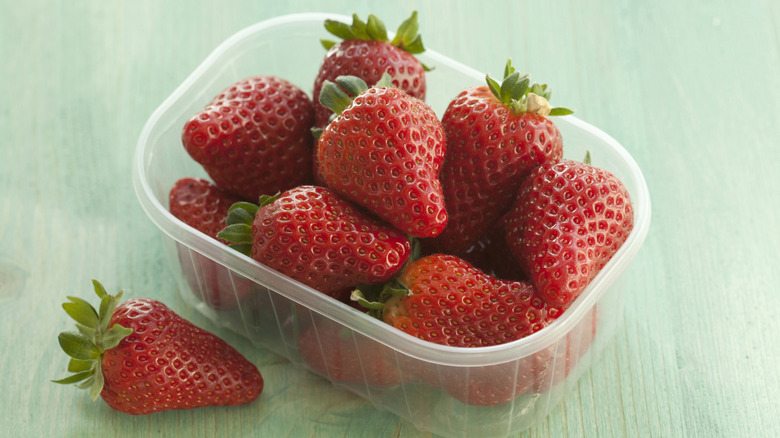
Strawberries are basically nature's candy, meant to be sweet and aromatic with an alluring appearance. When shopping for a box of these berries, green flags include a bright red color and a rich scent that's both sweet and floral. The color tells you that the berries are ripe, and while they may darken in hue as days go by, they won't ripen after they've been picked — so if you buy pale, tart berries, don't expect them to get any sweeter as time goes on. Fresh green tops are also a good way to judge the perfect ripeness.
Conversely, the scent of strawberries can also be a red flag. Don't choose berries that smell acrid or like ammonia, as this indicates that they've spoiled. Brown or discolored leaves are another sign that your berries are past their prime, as are mushy spots or mold. Be sure to flip the container to check the strawberries on the bottom for any squished, pale, or even fuzzy specimens. To stave off mold growth in good berries, try rinsing them in vinegar. This is just one of several strawberry hacks you'll wish you knew sooner.
Tomatoes
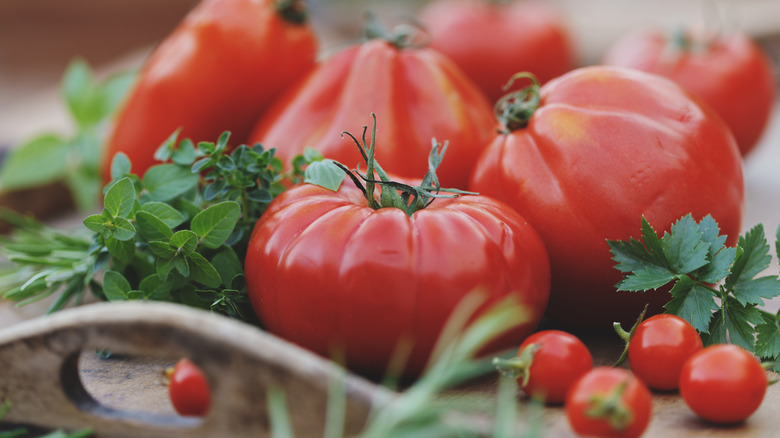
There are many different types of tomatoes, and while factors like color, shape, and size can vary, there are some general signs you can look for to help you pick out the best ones. Green flags for tomatoes start with smooth, blemish-free skin, with no wrinkles, holes, or bruises. You'll also want to look for bright green stems and leaves. Tomatoes should also feel heavy. Each variety weighs differently, but tomatoes that feel heavy for their size are juicer. Finally, a scent that's sweet and slightly grassy is a definite good sign.
Most red flags for tomatoes are in opposition to the green flags. Avoid ones with blemishes, wrinkles, or mold. Mold spores on tomatoes can be black, green, or white, so keep an eye out for spots in these colors. A squishy texture also indicates that a tomato is overripe or even rotting. Additionally, if the fruits smell "off" or unpleasant, it's best to take a pass. Once you take your tomatoes home, you can store them at room temperature out of direct sunlight, though the fridge will help them last longer, especially if they're ripe and you're worried about spoilage.
Bananas
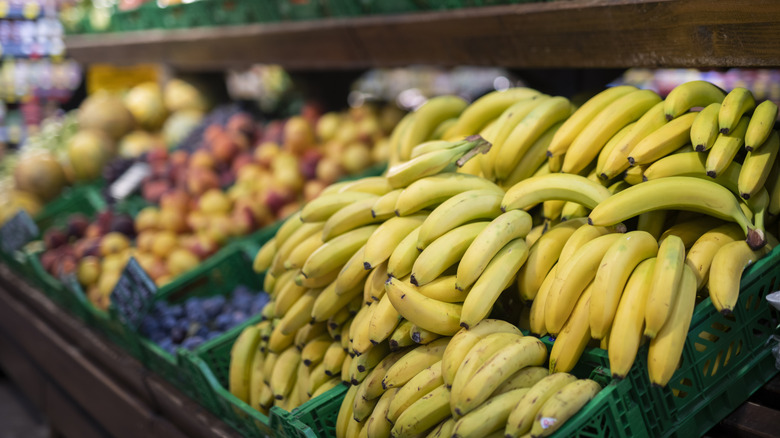
When it comes to produce that spoils the fastest, bananas are one of the most infamous examples. This is because they continue to ripen after they're picked, so buying a bunch that isn't too far along is a must for longevity.
There are two big green flags to look for when choosing bananas: a bright yellow color and firm (but not hard) texture. Green bananas are underripe and brown ones are overripe, so only choose greenish bunches if you can wait a few days to eat them, or brown fruits if you're going to use them right away in banana bread. Otherwise, aim for an even, yellow color, though some green or brown spots are okay. When you gently press down on the peel, the fruit shouldn't feel too hard nor not too soft, but somewhere in the middle.
Red flags for bananas include loose or missing stems, or a lack of black tips at the bottom. Missing parts may cause the fruit to ripen too quickly, and can also expose the flesh to bugs, dirt, and other nasty things. An overly sweet or fermented smell is also a sure sign of an overripe bunch. To prevent spoilage, put your bananas in the fridge as soon as they're at the peak of ripeness.
Bell peppers
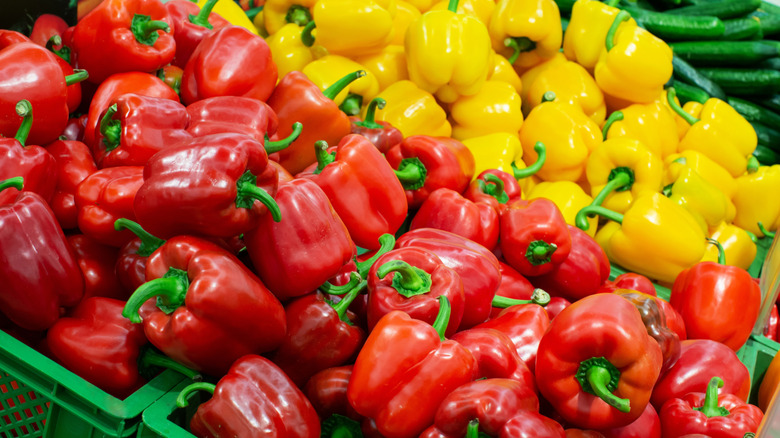
Bell peppers are rather a unique piece of produce. Since they come in a range of colors (and green ones are actually underripe versions of red, orange, and yellow kinds), their hue isn't a great way to tell if they're good. All it really indicates is flavor, with red being the sweetest, green being more bitter, and yellow or orange falling somewhere in between.
When choosing bell peppers, a major green flag is a shiny, unblemished skin, regardless of the color of pepper you're purchasing. Like tomatoes, the pepper should feel heavy in your hand, and the texture should be firm, not squishy.
The easiest way to tell if bell peppers have gone bad is to look for wrinkly skin and soft spots. Other red flags include black or brown spots; a sliminess on the exterior that doesn't rinse away with water; and mold spores, which may be white, brown, or green. An acrid smell is also an indicator that a pepper isn't worth buying. To keep any kind of bell pepper from going bad, store them in the crisper drawer of your fridge and make sure they stay dry, as they're sensitive to moisture.
Pineapples
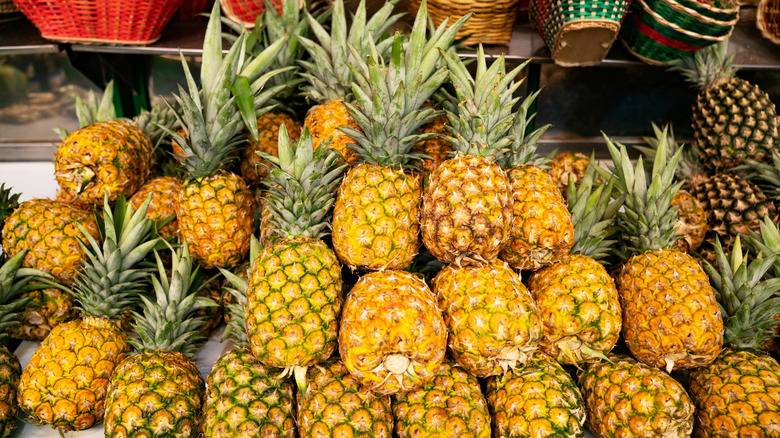
Pineapples are another tricky item. They can range in color from greenish-yellow to golden, so their hue isn't always the best way to determine ripeness, and you can't observe the flesh underneath the spiky skin. Instead, the first green flag to look for should be vibrant green leaves, which indicate that the fruit is fresh. Your pineapple should also be heavy and firm, with a little bit of give when you squeeze it.
Additionally, you want a pineapple that smells sweet — this is one fruit that gives off a potent, pleasant scent when ripe. A pineapple with no scent may not be ripe, while one with a sour, fermented, or bitter odor is starting to go bad. Another way to tell if a pineapple has gone bad is to pay attention to the color and texture. While perfectly ripe fruits come in a few different shades, pineapples that are dark gold or brown are likely overripe, as well as those that feel squishy, spongey, or mushy.
Other red flags to look for include wilted leaves and fuzzy mold on the bottom. If you don't plan to eat your pineapple within the next day or two after purchasing, you should store it in the fridge.
Onions
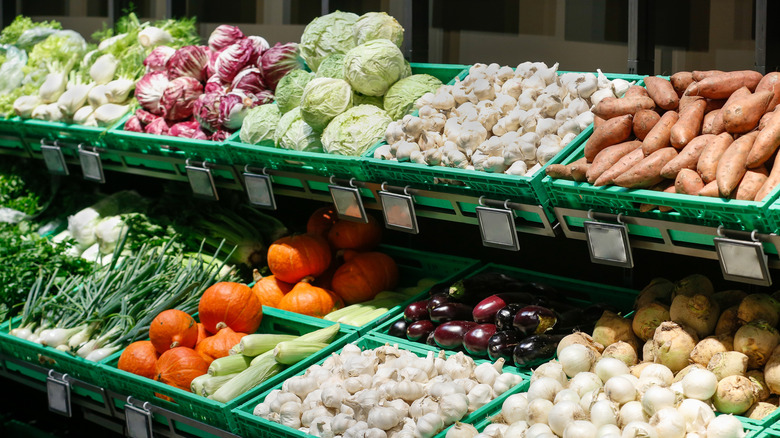
Just like with tomatoes, there are several types of onions that are shaped, sized, and colored differently, but there are some general green flags you can look for, despite all of these distinctions. Choose onions that feel heavy, are firm in texture, and are mostly free of bruises or blemishes. Unlike many other types of produce on this list, a good, whole onion won't have much of a scent when you sniff it. It should smell like nothing at all, or just a little like a freshly-cut onion.
Red flags that can tell you if an onion has gone bad include mold and dark or mushy spots. And as you might guess, a spoiled onion will smell pretty horrible. An onion that has started to sprout is still safe to use, but those sprouts are an indicator that it's starting to go off, and you should use it as quickly as possible. White, yellow, and red onions all generally fare fine when stored in a cool, dry, place, but as with most produce, the fridge will help them last longer.
Grapes
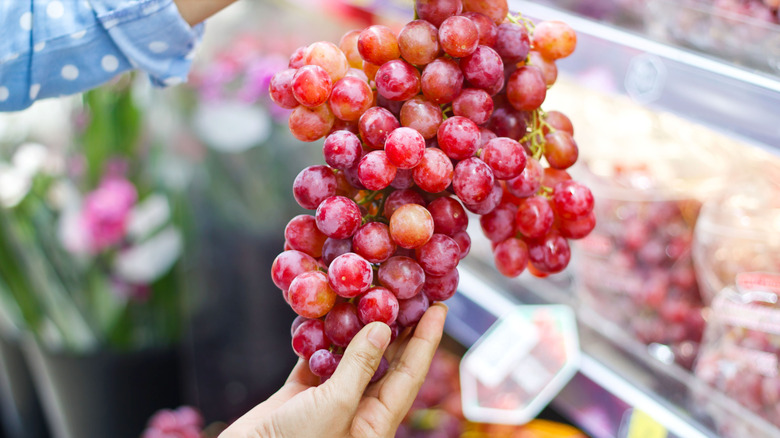
We said earlier that strawberries are nature's candy, but grapes could also contend for that title. There are dozens of varieties of grapes, and whether you're shopping for green, red, or black ones, they're all supposed to look bright and appealing.
Green grapes should have an even yellow-green or chartreuse color, while red grapes should be primarily reddish-purple. Black grapes should be a rich, deep purple shade. If you see a white, powdery coating on your grapes, that's actually a green flag, too. This pale sheen is called the bloom, and it protects fresh grapes from moisture loss. Other green flags include grapes that are strongly attached to pliable stems, as well as a firm and plump texture. Not inspecting the stems to see if they're dried out is definitely a common mistake when buying grapes.
As you might guess, brittle stems with grapes that are loosely attached are both red flags. Additionally, avoid shriveled, squishy, or moldy grapes, and bags with a lot of loose fruits at the bottom, which can indicate rotting stems. To keep your grapes fresh, definitely store them in the refrigerator.
Broccoli
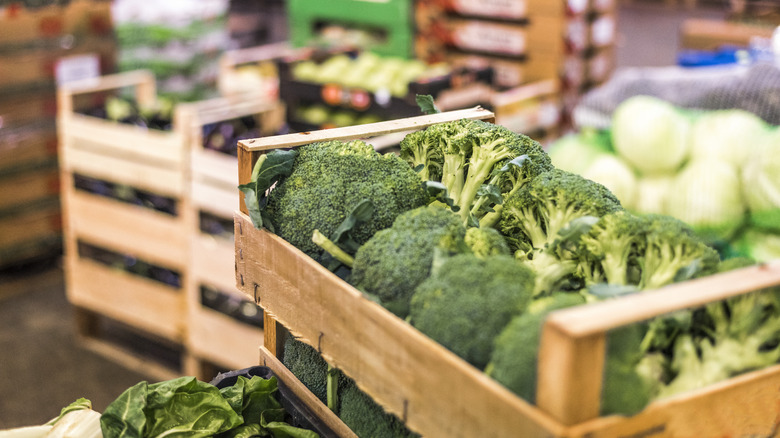
Broccoli is a sturdy veggie that has a reputation for lasting a long while, but it absolutely can spoil, so don't just pick any old crown you see in the produce section. One (literally) green flag to watch out for is a vivid, verdant color. Choose broccoli heads with a bright or rich green hue. The heads should be compact, with closed flower buds on top, and the top should also feel firm if you press on it with your hand. The stalks should also be hard, and the base of the stem should be cleanly cut, with no signs of rot.
One of the biggest red flags with broccoli are yellow and brown spots on the top, an indication that the crown is starting to go bad. Another bad sign is stems or stalks that have turned limp or rubbery in texture. Avoid florets that look bruised, moldy, or have enlarged buds or flowers. To store broccoli at home, wrap it loosely in a damp paper towel and store it in the fridge. You want to give it some airflow, instead of keeping it in an airtight container.
Apples
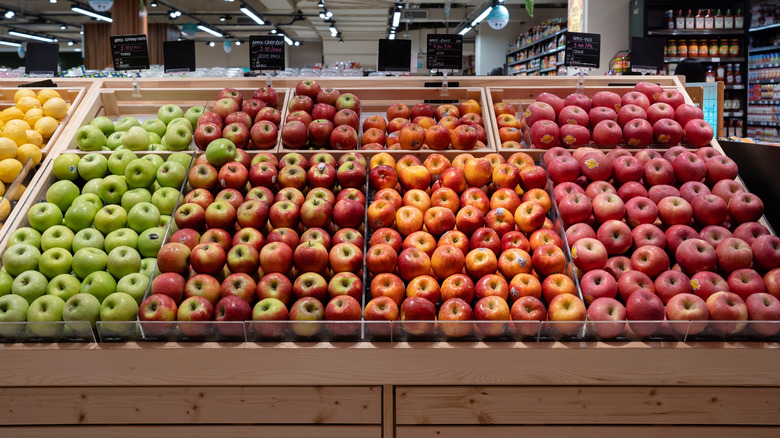
"One bad apple spoils the bunch" is a common saying for a good reason. Apples, as well as other produce like bananas and pears, release a gas called ethylene as they ripen, and they continue to expel it even after they're picked. Prolonged ethylene exposure not only rots the apples, but the fruits and veggies stored next to them. Avoiding overripe apples, which release the most ethylene, is crucial for the lifespan of all your produce.
Because there are so many types of apples, color isn't a great indicator of quality. Instead, look for blemish-free skin, a firm texture with no mushiness, and either no odor or a pleasant apple aroma. An apple with its stem still attached is another green flag, as a missing stem means the fruit will rot faster.
While some small blemishes are okay, red flags for apples include large bruises, holes, wrinkly skin, and soft spots. If an apple smells bad or is oozing liquid, it should obviously be avoided. If you want to make your apples last as long as possible, store them in the crisper drawer of your refrigerator. Otherwise, apples stored at room temperature will last one to two weeks.
Lettuce
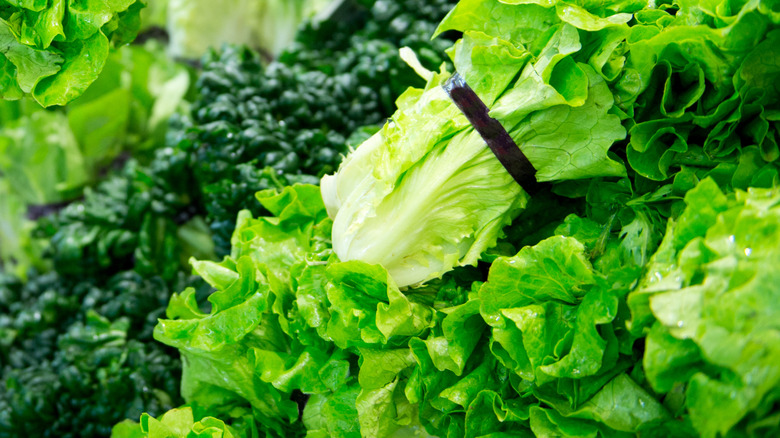
While we refer to leaves of lettuce as "greens," there are many types of lettuce with different textures, colors, and shapes. This can make it a little more difficult to pick the best heads from the grocery store, but we've got the most popular varieties covered.
For iceberg lettuce, a head should have crisp leaves that are tightly-packed, while the stem end should smell slightly sweet. Green flags for romaine lettuce are similar, as you'll want tight bunches full of fresh-looking leaves, with no wilting or brown spots. Butterhead lettuce, also called bibb or Boston lettuce, is usually sold in plastic containers, so flip the box over on all sides to make sure it's full of healthy leaves, not squished or soggy ones.
Red flags for lettuce include wilted, rubbery leaves, or ones that have discolored or turned brown. Additionally, avoid greens that have started to smell bitter or look slimy or moldy. It's also a good idea to stay away from overly large heads of lettuce, as these can have tough leaves. To keep your greens from wilting, store them in your fridge's crisper drawer, and don't cut them until you're ready to use them.
Peaches
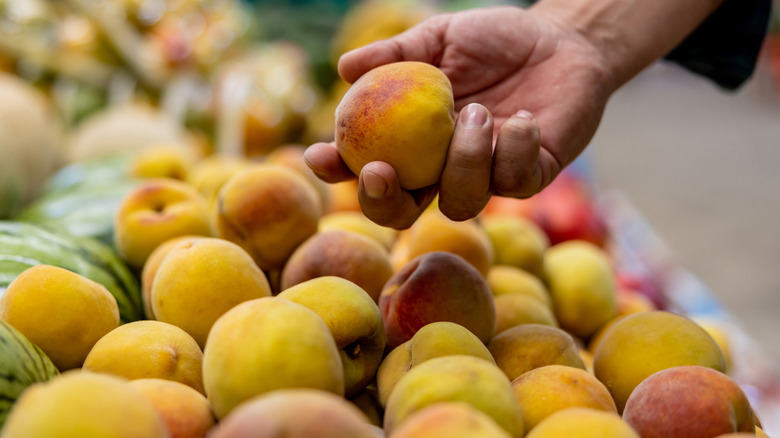
Like apples, peaches are the subject of a classic saying that many of us know all too well: "bruise like a peach." These soft and juicy fruits are super prone to bruising and spoiling, so thoroughly inspecting them before you buy is a must. The first green flag to look for is a vibrant color. Ripe yellow peaches will have a golden-red hue with a brighter gold color toward the stem. White peaches will be paler in color, but ripe ones should have a deep rosy blush over most of the skin.
A sweet, fragrant scent is also a green flag for most peach varieties. When you squeeze it, a ripe fruit will be just slightly soft, as opposed to hard or firm, which means it's not quite ripe. Another red flag that indicates the peach isn't ripe yet is green spots on the skin. Signs of spoilage include bruises, dents, wrinkles, and flattened or mushy areas. If a peach is squishy or leaking juice, definitely keep it out of your cart.
Once you get home, store your peaches at room temperature stem-side down to avoid bruising. If they start to get ripe too fast (and these delicate fruits can absolutely sneak up on you), move them to the fridge.
Potatoes
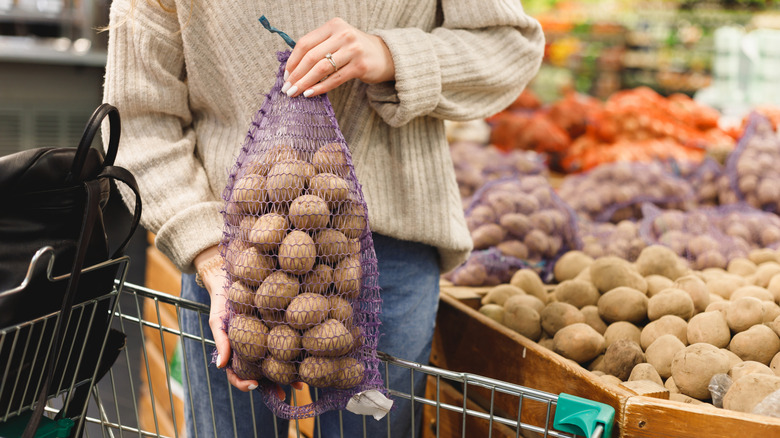
Potatoes come in several varieties, but the rules for picking out the good from the bad are generally the same. Green flags include a firm texture and smooth skin without bruises or discoloration. The spuds should also have an subtle earthy smell to them, like fresh soil, but they should look clean instead of being caked in dirt. Small "eyes" on the potatoes are okay, but don't buy them if they've started to sprout. A critical fact to know about sprouted potatoes is that they can contain a dangerous toxin called solanine, so while one or two small sprouts can be sliced off, anything more is a cause to toss the potato.
Another red flag is actually the color green: If your spuds are turning greenish, they're also past their prime, and might have developed solanine in the flesh that can make you sick. Other red flags include dark spots, mold, a mushy or wrinkled texture, a bad smell, and leaking. Most potatoes will stay good for a couple of weeks at room temperature, or a couple of months in the fridge.
Watermelon
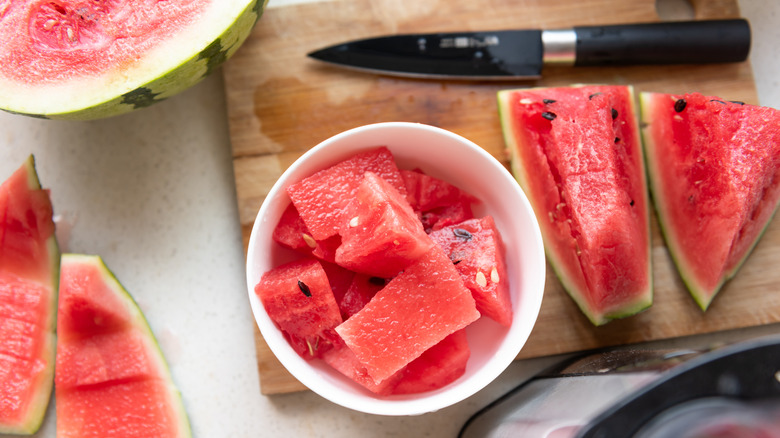
No fruit quite encapsulates summer like watermelon. The problem with this fruit is that it can be hit-or-miss; sometimes it's sweet and flavorful, but other times it's watery and bland. Luckily, there are some ways to tell what kind of watermelon you're going to get just by looking at it.
A round, heavy watermelon is going to be sweet, while an elongated one is more likely to be watery. Your watermelon should be dull, as shiny means it's not ripe yet. Take a look at the field spot, too. This is a splotch of white to orange that shows where the watermelon was sitting on the ground. If it's white, it was probably picked too early and isn't ripe. If it's dark yellow to orange, it was on the vine longer and is going to be full of flavor. You may also notice webbing, which are spots where the sugar has seeped through. Larger webbing indicates sweetness, while less webbing means less sugar.
What if you picked out the perfect watermelon but didn't cut it right away? Some red flags to watch out for include if the watermelon is slimy, squishy, smells bad, has signs of mold, or has a fuzzy rind. This indicates that the watermelon is rotting.
Mangos
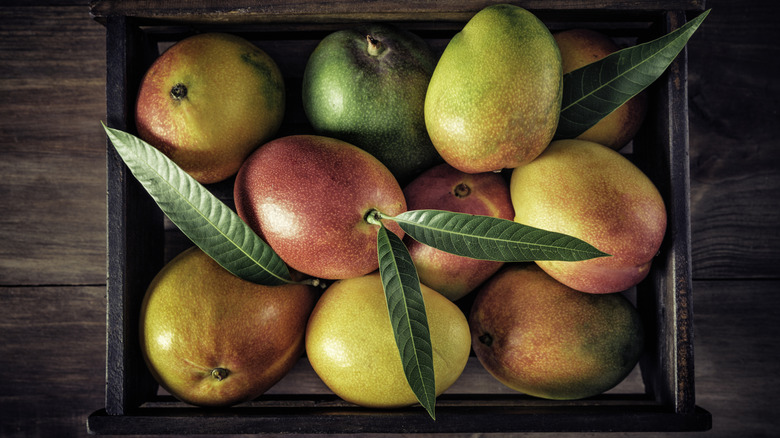
Mangos can be particularly tricky to assess because they come in a variety of colors. One perfectly ripe mango might be yellow and red, and another could be all green. They also come in different shapes and sizes, so unless the mango has visible bruising or mold, you can't tell if it's a good one just by looking at it.
Instead, focus on texture and scent. A ripe mango will have a slight give when you squeeze it, while an unripe mango will be solid and firm. Ripe mangos also have a fruity aroma at their stems, but one that's not ripe yet won't have much of a scent.
The good news is, you can actually eat unripe mango, and many people do. Unripe mango is going to be tarter, but the fruit sweetens as it ripens. Just stay away from rotten mangos – red flags a squishy or mushy fruit, oozing liquid, or an 'off' smell.
Mushrooms
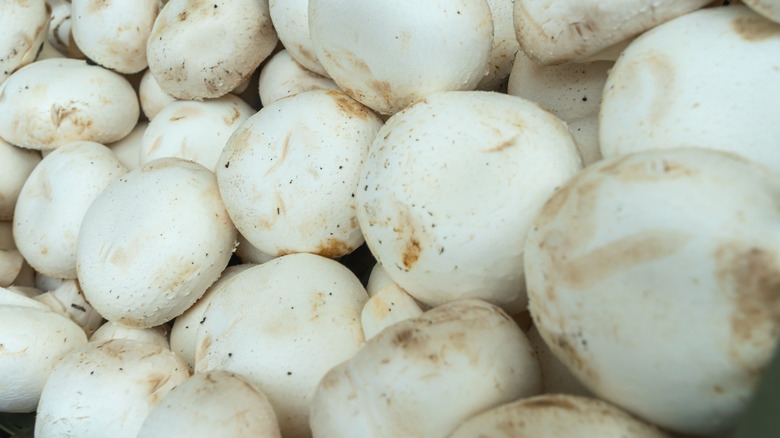
Okay, technically, mushrooms aren't fruits or vegetables, they're fungi, but you typically find them in the produce section of grocery stores, so we're including them. While you can find mushrooms if you go out foraging, you should avoid eating them unless you know exactly what kind you have. So for those who aren't willing to take the risk, the grocery store it is.
The specifics of what to look for will vary by mushroom variety, since different types can look so radically different (or disturbingly similar, as is the case with the perfectly edible field mushroom and the poisonous destroying angel). In general, green flags for mushrooms are a firm and smooth texture. They should be dry and plump, not shriveled and dehydrated. If the mushroom has gills, like portabella or shiitake, the gills should be firm.
To tell if store-bought mushrooms have gone bad, keep an eye on any changes in appearance or texture. If they've turned slimy, mushy, or shriveled, toss them. Mold or a bad smell are also indicators that the mushrooms are no longer fresh.
Raspberries
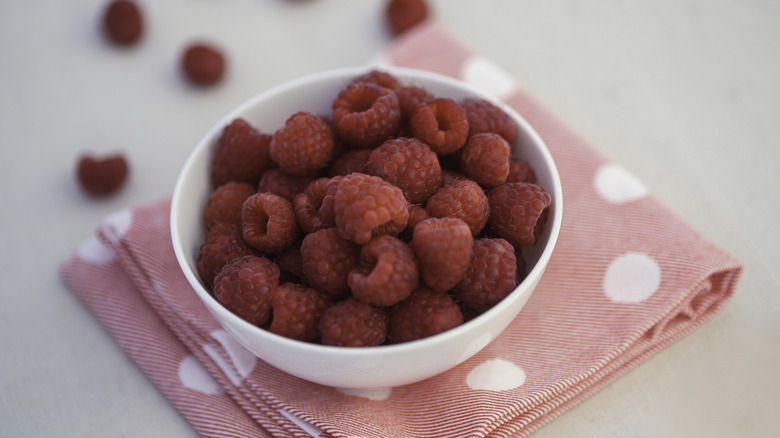
Raspberries join blueberries and strawberries as awesome, tasty snacks that pack a nutritional punch. These little berries are full of vitamin C, manganese, and vitamin K, plus they're some of the highest fiber fruits. If there's one negative about raspberries, it's that they seem to go bad in the blink of an eye.
There's nothing worse than buying a carton of raspberries, sticking them in the fridge, then finding them moldy the next day. Picking the right ones at the store can help prevent this. Look for raspberries that are firm, plump, and a vibrant pinkish-red. Those that are squished or a dark, almost purple color are probably overripe. If you can't rummage through the carton at the store, try this trick: Flip the container upside down. If a bunch of berries stick to the bottom, they're overripe, and the container won't last long. You can also shake the container; the berries should be able to move freely if they're plump and ripe.
Another sign that raspberries are no longer good is if the container is wet or has splotches of juice on the sides. As berries go bad, they get squishy, making it easier for them to leak juice. A few other red flags to watch out for: They shouldn't have any green, as this indicates they aren't ripe enough yet, and also shouldn't be dried or shriveled.
Asparagus
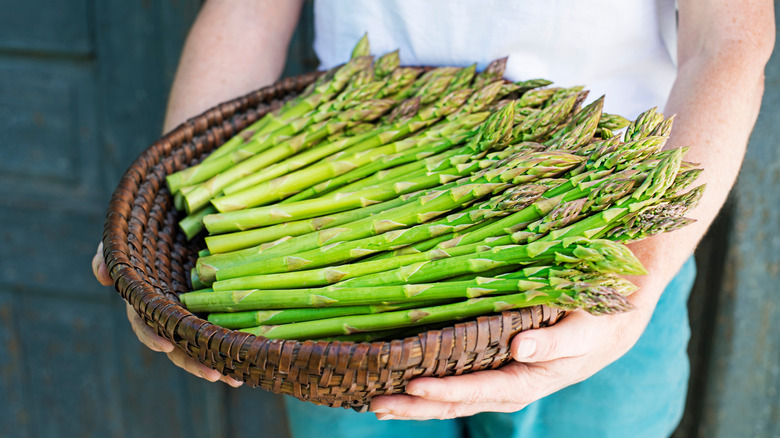
Asparagus is known for a few things: making urine smell funny, telling Bible stories through song and dance, and having a unique flavor among vegetables. To choose the best asparagus, you can't necessarily rely on color — the vegetable is often green, but it can also be white or purple. Instead, look for asparagus that is straight and firm, with compact, pointed tips. Julia Child also recommends choosing asparagus that are moist at their cut end. If it is flat, limp, or looks wilted, it's not fresh anymore.
When buying a bundle, the spears should all be about the same size so they all cook evenly; they should be about 7 to 12 inches long. If you're not cooking it right away, pop it in the fridge as soon as you can, and don't wash it before refrigerating, as this can cause bacterial growth. However, if you need it to last a few days, you can wrap the bottom ends of the stalks in a damp paper towel.
Oranges
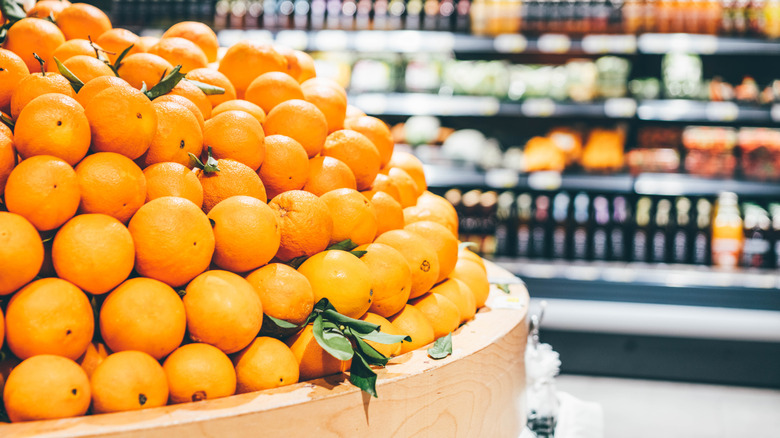
Whether you're craving a citrusy snack or fresh juice, a bad orange can ruin your day, so it helps to know when they're in season. While you can buy them at the grocery store all year, in the U.S., they're freshest from about November through April, like many citrus fruits.
The first thing to consider when picking out oranges is how they look. Red flags include things like mold, dark brown discoloration, and dried-up skin. Scent is also a good indicator of whether an orange has gone bad. If it smells sour or has an otherwise strong and unpleasant odor, it's telling you to stay away. While you're sniffing it, give it a squeeze — if it's squishy or spongy, it's past its prime.
A green-flag orange is brightly colored, typically a yellow to deep orange shade depending on the variety. They should smell sweet and citrusy at the stem end, and their texture should be firm. If you want a juicy one, check the weight, too — the heavier the juicier!
Blueberries
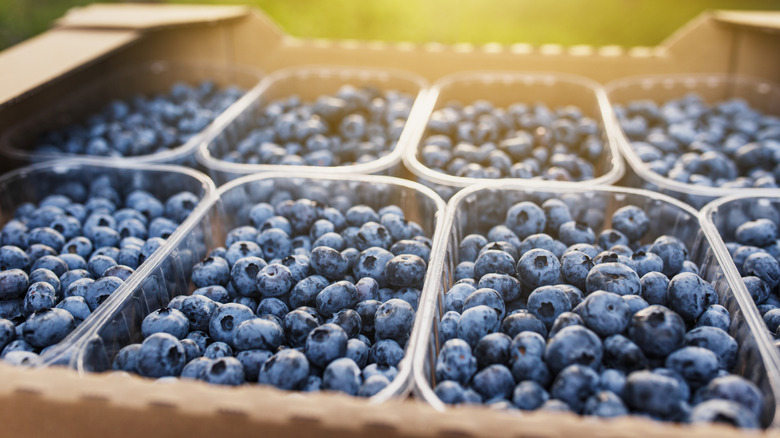
Blueberries should live up to their name — one of the major green flags to look for is a deep, dark blue color. A light purple, greenish-white, or pinkish color means they're sour and underripe, and since these berries don't ripen after being picked, they'll stay that way. Another way to choose the tastiest blueberries at the grocery store is to look for a bloom, that same powdery dusting of white that appears on grapes. Likewise, a nice bloom indicates fresh and juicy berries.
Additional green flags for blueberries include smooth skins and a firm, plump texture. To check if the berries are firm, shake the container. Firm berries should rattle around like marbles. Avoid a container with moldy, mushy, or leaking berries, and check the bottom of the box for juice, which may indicate that the fruits are leaking. To keep your berries fresh, store them in a ventilated container that allows some airflow, as trapped moisture or condensation can quickly rot any variety of berries. When rinsing them, keep an eye on the ones that sink to the bottom of the bowl, as they'll be sweeter.