

Does Bourbon Get Better With Age? It Depends On What You Want From Your Bottle
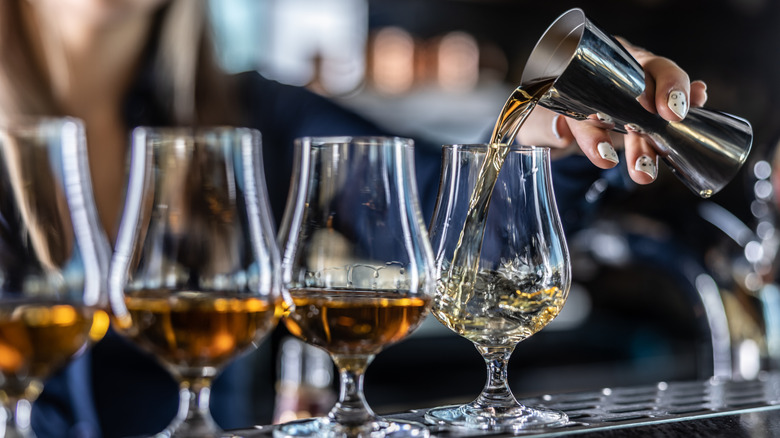
Most of us are familiar with the phrase "aging like fine wine." A key, if often overlooked, word in this phrase, is "fine." Not all wines become better with age — and even among those that do, there's typically a point after which they are not going to get any better. And it certainly doesn't mean that age is an indicator that the wine is always going to be better. According to Chris Blatner, Executive Bourbon Steward and founder of @urbanbourbonist on Instagram, the same is somewhat true of bourbon. While aging does change the flavor, that's not always a good, or at least not an inherently better, thing.
"In general, older bourbon can offer depth, oak influence, and a long finish, while younger bourbon often feels brighter, fresher, and more grain-driven," Blatner told Chowhound. "The appeal comes down to preference." Properly aged bourbon, he continues, has a more balanced flavor than younger bourbon; but again, it's a matter of taste. Do you prefer notes of "dark caramel, leather, and dried fruit" over hints of "corn sweetness, brightness and spice, and lively fruit," as Blatner describes them? Do you like your bourbon rich and woody rather than spicy and grainy? Then an aged bourbon may indeed be for you. However, "Both can be excellent in their own ways," he acknowledges. And whichever you prefer, make sure you store the opened bottle of bourbon correctly in order to prevent oxidation, which can change the taste in a negative way.
Choosing and using your bourbon
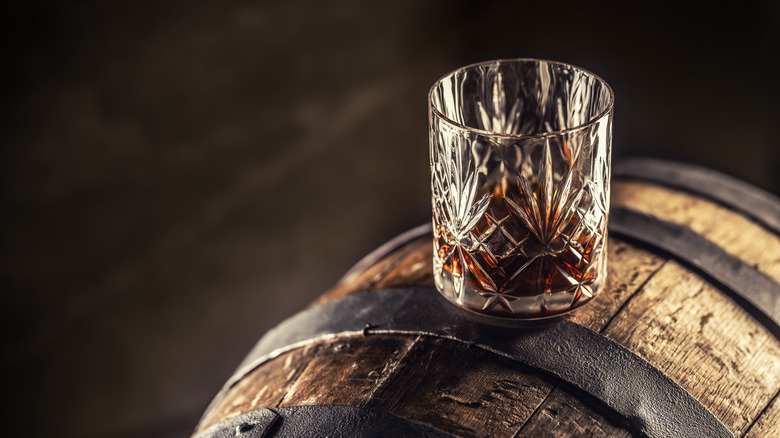
When it comes to selecting your bottle of bourbon, Chris Blatner has some general recommendations. "For younger bourbons, look for tasting notes that highlight spice, fruit, or grain character and avoid anything described as 'sharp' or 'hot,'" he says. "For older bourbons, seek mentions of balance, richness, or complexity rather than just 'oak' or 'wood.'" Another thing to look for, Blatner says, is whether the label talks about flavor integration. Of course, he cautions, your palate may differ from whoever has the lovely job of tasting bourbon to identify flavor notes for the bottle. So if possible, do the smart thing before buying bourbon you're unfamiliar with and sample it at a bar or via a whiskey tasting before purchasing a whole bottle to ensure you get one you like.
Another thing to think about when picking out the perfect bourbon is how you will most often use it. Are you a cocktail fan who mixes a mean old fashioned? If so, says Blatner, you may want a younger bourbon, as they "often shine in cocktails because they can cut through with spice and brightness without disappearing." If you're more of a bourbon purist and just intend to sip it solo, an older bourbon may be more complex, and therefore satisfying. "That said," Blatner says, "there's no hard rule. It's fun to experiment, and great whiskey, young or old, makes for a great cocktail." Just make sure to avoid these 12 bourbons better left on the shelf.