

This Is Why Your Apple Cider Vinegar Fruit Fly Trap Isn't Working (And How To Fix It)
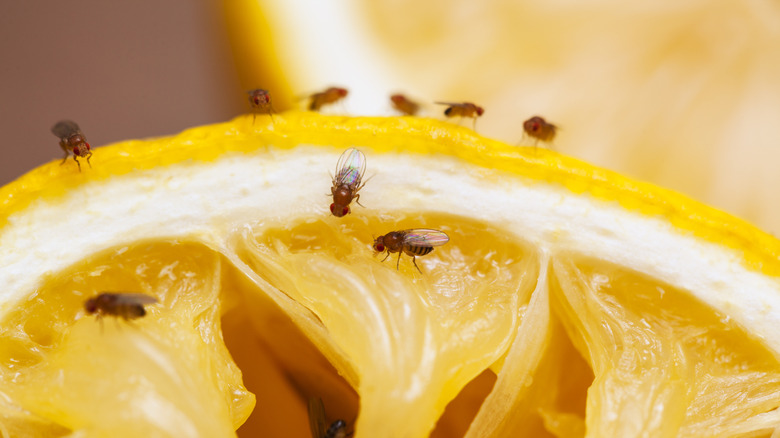
Fruit flies are a annoying hallmark of summer. You can't avoid the fact that they arrive in your kitchen each time you bring home a load of fresh fruits and veggies. It's likely that you've tried the viral apple cider vinegar trick — putting the stinky stuff in a container, adding a few drops of dish soap to break the surface tension of the vinegar, poking holes in the container's lid, and waiting for fruit flies to enter the container and head to their demise — to no avail. Chowhound talked exclusively with Daniel Baldwin, board certified entomologist at Hawx Pest Control, to get the details on how apple cider vinegar fruit fly traps work — and why adding too much dish soap may stop your trap from working effectively.
Baldwin said that there are a ton of areas in most homes that are attractive to fruit flies. In addition to super ripe fruit, the tiny pests are attracted to dirty drains, trash cans, mop buckets, and more. Apple cider vinegar smells like some of a fruit fly's favorite foods. "They're attracted to [it] because it mimics the smell of rotting fruit, which is where they will feed and lay their eggs," says Baldwin. Many people find that, despite following the instructions they see on social media, their fruit fly traps aren't effective — Baldwin says there's typically an easy fix. He explains, "You have to get the mixture right as too much dish soap will disguise the smell of the apple cider vinegar." The ideal quantity, he says, is a drop or two of soap; this is enough to keep the fruit flies from being able to escape.
More tips to create an effective at-home fruit fly trap
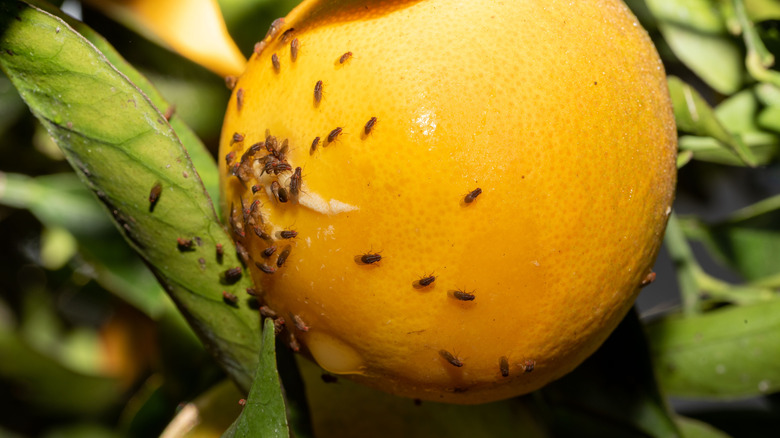
You can also try creating a fruit fly trap with a tomato if you don't have apple cider vinegar on hand; this works much like the apple cider vinegar trick. However, it does involve keeping a rotting tomato in a jar of water, and if that's unappealing to you, the vinegar trick is your best bet. Getting this trap's ratio of dish soap to vinegar correct isn't the only way to make it more likely that you will get rid of fruit flies. Daniel Baldwin says that you can also add a bit of sugar to the vinegar mix to further entice the pests.
Once you've gotten rid of kitchen fruit flies with a more effective trap, you can take some simple steps to reduce the likelihood that they come back into your kitchen. Baldwin recommends taking the fruit fly trap far away from your home when you've trapped the flies so that you don't risk them escaping and restarting the infestation process. "Fruit flies can breed in unsanitary conditions, too," Baldwin says, "like dirty counter tops, drains, and trash cans, so it's important to keep your home clean. You should also purchase fly screens for doors and windows so that you can ventilate the home but without flies coming in."
Moving trash cans away from your house, if possible, can help make it less likely that flies attracted to your trash will make their way into your home. If you can't get rid of fruit flies with at-home techniques, you'll want to reach out to your local pest control company for professional advice.