

Should Ketchup Be Stored In The Fridge Or The Pantry? Here's Heinz's Answer To This Age-Old Question
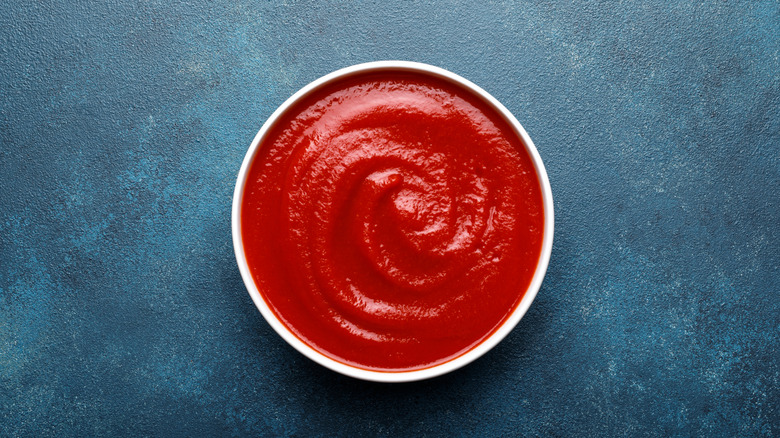
The debate over ketchup storage has raged for decades: Should we keep this condiment in the fridge or the cupboard? The same question can come up for other condiments, like hot sauce and peanut butter, but answers seem to vary. Well, Heinz has finally put an end to this argument. The world's top producer of ketchup is making the answer quite clear: Keep your ketchup in the fridge.
As a Heinz representative told the Daily Mail, as reported by The Mirror, "This is the best way to maintain the delicious tangy taste of our Heinz Tomato Ketchup that you know and love." It's on the label, too, which clearly states, "For best results, refrigerate after opening," and reiterated by Heinz via X with a tweet that simply reads: "Because of its natural acidity, Heinz® Ketchup is shelf-stable, but refrigerate after opening to maintain product quality."
Heinz Tomato Ketchup has been around since 1876, when it first hit the market as "catsup." Since that time, Heinz has made a name as one of the country's largest producers of ketchup. With that kind of clout, the brand has definitely earned the right to call the shots for how you store your ketchup at home.
The condiment without limits
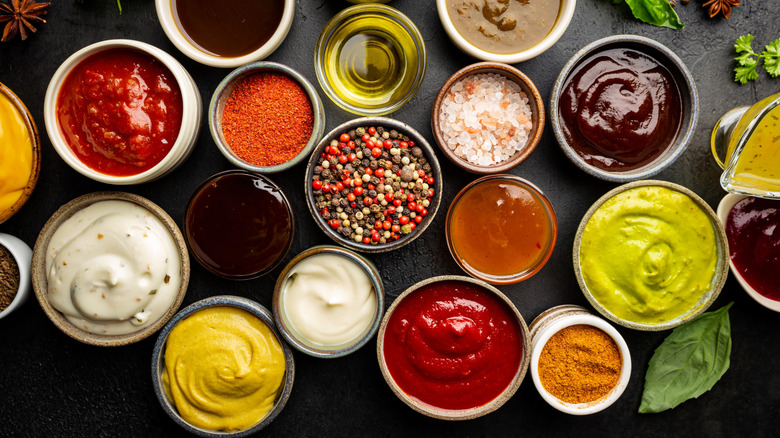
Ketchup's high acidity, along with the cooking process that companies like Heinz use to make store-bought ketchup in the first place, creates a shelf-stable environment that is highly resilient to bacteria. It can stay unopened in the cupboard for up to a year. But once opened, it starts to deteriorate slowly and will only last in the pantry for one month. Storing it in the fridge will slow that process down so it should last up to six months.
Ketchup's versatile list of ingredients, which includes tomatoes, vinegar, sugar, and spices. It is some of those acidic, tangy ingredients that lead to ketchup's long, but not indefinite, shelf life. They also open the door to a litany of condiment variations you can use that ketchup for. Try pairing it with brown sugar and Worcestershire sauce for a mouthwatering barbecue sauce. You can use it on ribs, chicken, pulled pork, or more to give these proteins a sweet, tangy flavor. Next, you can push traditional boundaries and head in a completely different direction by adding ketchup to your next stir-fry. The condiment will add complexity and depth, along with a whole lot of flavor, to your wok-fried dishes.
Other ingredients that can add a punch of flavor to your ketchup include chipotle paste or Sriracha for some powerful spice, or sour cream to create a creamy dipping sauce. Have fun with the flavors and let the ketchup be the star. Your meals will thank you for it — as long as your ketchup lives in the fridge, of course!