

10 Powdered Ingredients That Deserve To Become Pantry Staples
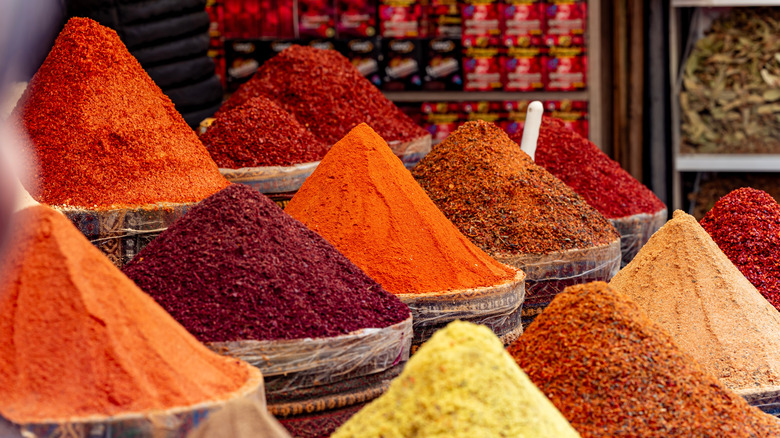
While basic seasonings, spices, and dried herbs are obvious essentials for your kitchen, there's a wide range of specialized powdered ingredients that can elevate your cooking and baking to professional levels. These aren't just trendy additions that are all over social media pages and food magazines. The ingredients on this list are versatile, shelf-stable powerhouses that will take your cooking up a notch and help you play around with different, exciting flavors.
After nearly a decade as a professional chef, I've learned how to curate my home kitchen and pantry with an array of versatile ingredients that will improve the dishes I create. Almost every powder I have on hand serves a purpose, whether it's to contribute delicious flavors, provide structural benefits like thickening or binding, or add a textural element. Beyond the versatility, my favorite aspect of powdered ingredients is their convenience and longevity. Most of the products listed have a long shelf life, allowing me to continuously use them throughout the year without worrying about spoilage or wasting ingredients.
From achieving vibrant natural colors to gluten-free thickener alternatives and unexpected flavor combinations, these 10 powdered staples will transform how you approach cooking and stock your pantry, giving you even more confidence to experiment in your kitchen and play around with new ingredients.
1. Nutritional yeast
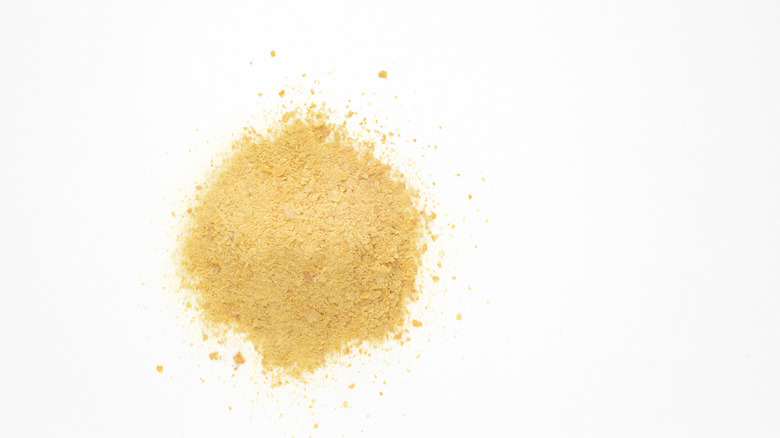
Nutritional yeast, or "nooch," is a deactivated yeast that's been cultivated, dried, and ground into a fine powder. It's often used as a vegan alternative to cheese due to its cheesy, savory flavor. Some people describe it as a salty, umami bomb, and often compare its flavor to aged cheeses such as Parmesan and pecorino.
Its slightly nutty, cheesy flavor can transform freshly popped popcorn, pasta dishes, and salads for an umami boost. You can blend it into sauces, marinades, or dressings to give them a dairy-free cheesy taste, or mix it into cashew-based cheese alternatives to take the flavors up a notch. It's also excellent stirred into soups, stews, risottos, or even scrambled tofu to enhance savory depth. Beyond its delicious flavor and versatility in the kitchen, nutritional yeast is super high in vitamin B, antioxidants, and plant-based proteins. If you're looking to get your hands on a bottle, you can find it being sold at most grocery stores, health stores, or online.
2. Rice flour
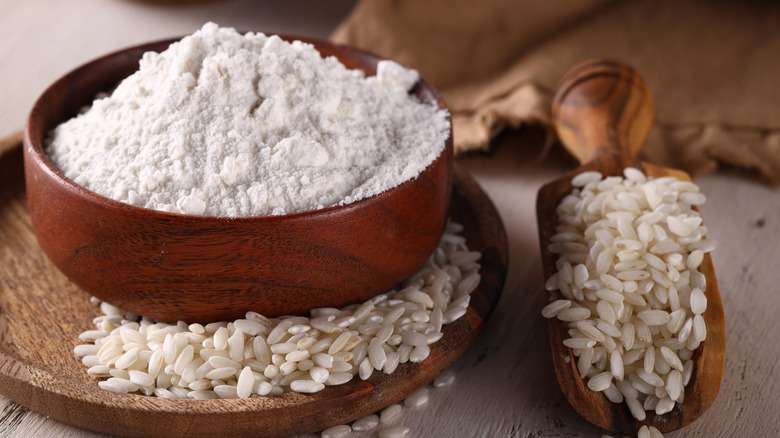
Another powdered ingredient that deserves a spot in your pantry is rice flour. Rice flour is a unique gluten-free flour made from finely ground rice. It can be made from white, brown, or glutinous rice (sweet rice flour). White and brown rice flour are commonly used as substitutes for wheat flour in gluten-free baking and cooking. Glutinous rice flour, meanwhile, is used to create a chewy and slightly sticky texture in desserts and snacks. The popular Japanese dessert mochi is made from glutinous rice flour, which creates its signature soft and chewy texture. Beyond gluten-free cooking and desserts, it's common in many Asian recipes for rice cakes, noodles, pancakes, pastries, and other dishes.
You can find it being sold at most Asian grocery stores and occasionally at a regular supermarket. It's definitely a staple ingredient you should have on hand if you're looking to get into gluten-free baking or if you want to try making homemade rice cakes!
3. Coconut milk powder
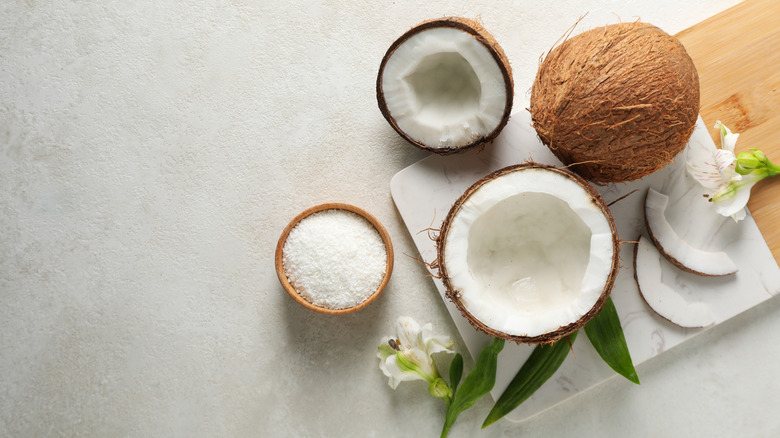
Coconut milk powder is a dehydrated form of coconut milk, typically made by drying fresh coconut cream. It has a fine texture, with a white, slightly creamy color, and it's used as a convenient substitute for liquid coconut milk in various culinary applications. It's an indispensable ingredient in Southeast Asian, Indian, and Caribbean cuisine, where coconut milk is used quite frequently. You can use it in sauces, curries, marinades, daal, pasta sauces, stews, or soups to provide a subtle creamy coconut flavor. Coconut milk powder contains a high content of concentrated coconut fats and proteins that act as a natural thickener and emulsifier when heated. So if you're looking to thicken up your curry or add a bit more texture to your stew, try adding in a spoonful of coconut milk powder. Besides savory applications, you can also incorporate it into your baked goods. It adds loads of moisture and a tropical, slightly creamy flavor to cakes, cookies, and bread.
Coconut milk powder has quite an impressive shelf life, being able to last up to two years when stored properly. It's a lifesaver to have as a pantry backup, especially when you find yourself without canned coconut milk in the middle of cooking this Panang Curry Tomato Bisque Recipe. It has a much deeper and intense coconut flavor compared to canned coconut milk, so be sure to use it sparingly. You can typically find it being sold at Asian grocery stores or online.
4. Potato starch
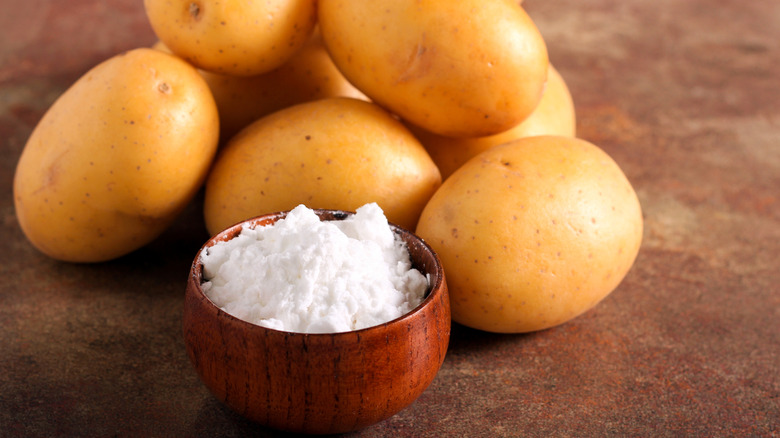
Looking to get extra crispy skin on your fried chicken? Then, you should always have a bag of potato starch stashed in your pantry. Potato starch is extracted from potatoes and is often used either as a thickening agent or as a coating on fried foods to get the ultimate crunch. It has a fine powdery texture with a bright white color and can be found at most grocery stores.
It's often mistaken for potato flour; however, the two ingredients are completely different. Potato flour is made from whole, unpeeled, dried, and ground potatoes, while potato starch is extracted from potatoes, essentially isolating the starch compound, making it much more refined. Potato flour tends to be denser and heavier due to the presence of fiber, making it a great alternative to wheat flour for gluten-free breads and baked goods. Potato starch can't provide structure in baked goods like potato flour can due to its minimal protein and fiber content.
However, the minimal protein and fiber content allows it to have a high water-binding capacity and gelatinization temperature. These properties are why potato starch excels in fried food applications. When the potato starch is heated, the starch granules absorb liquid, expand, and gelatinize, forming a gel coating on the food's surface. As the frying continues, the gel then dries out during cooking, creating a delectable, brittle, crunchy, crispy texture.
5. Xanthan gum
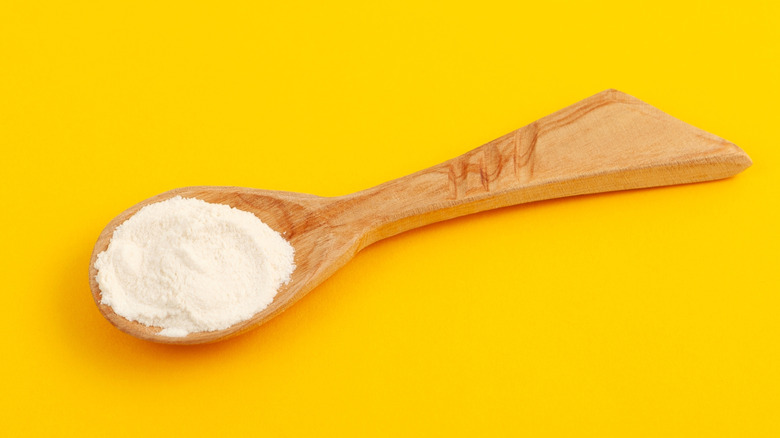
Xanthan gum is a powerful thickening and stabilizing agent that is an essential ingredient for any professional pastry kitchen. This unique ingredient is created when sugar is fermented by a bacterium called Xanthomonas campestris. When it's fermented, it has a gooey texture, which is dried and then ground into fine powder. Many home bakers think pastry chefs use traditional thickeners like cornstarch or gelatin, but the reality is that xanthan gum is often the go-to choice for achieving perfect textures in professional kitchens. Xanthan gum is favored since it's an amazing stabilizer, allowing you to use a small (usually 1/4 to 1/2 teaspoon), while yielding a great effect, making it perfect for mousses, custards, frostings, and creams. Unlike gelatin or cornstarch, xanthan gum doesn't need to be heated to activate its thickening power.
Beyond its thickening superpower, it's also incredibly versatile and can be used across a wide range of pastry applications. You can use it to thicken just about everything from ice cream and ganache to cake and muffin batters. Plus, it's super helpful in gluten-free baking due to its ability to bind ingredients together and create the structure that gluten typically provides. Just a tiny amount can improve the texture of gluten-free breads, muffins, and cakes, preventing them from being crumbly or dense and giving them a spongy, airy texture. Xanthan gum is typically sold at professional culinary stores or online.
6. Mushroom powder
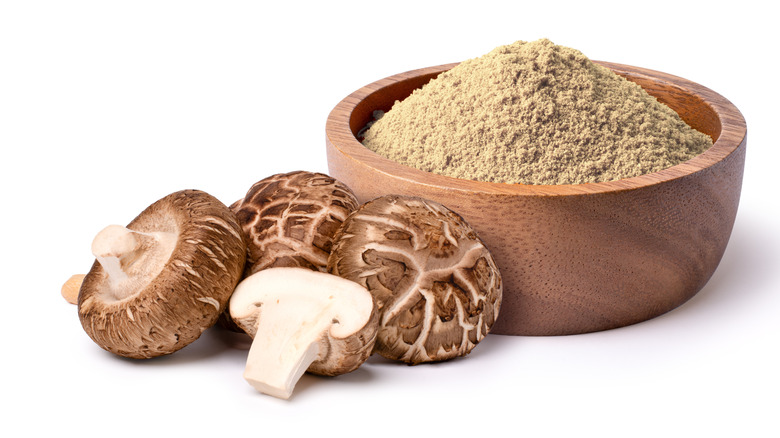
Another ingredient that deserves to become a pantry staple is mushroom powder. Mushroom powder is just finely ground dried mushrooms used as a seasoning ingredient to provide dishes with a funky, savory, umami flavor. It's typically made from a combination of mushroom varieties such as shiitake, porcini, and cremini. Unlike fresh mushrooms that can spoil quite quickly, mushroom powder has an extremely long shelf life.
Mushroom powder's versatility and convenience shine throughout many different culinary applications. A small spoonful can add a delicious depth of flavor to stews, sauces, soups, and gravies without altering the texture or appearance of your dish. If you want to boost the flavor of your vegetarian and plant-based meals, try incorporating a bit of mushroom powder. The natural savory, slightly "meaty" flavor is a great way to make plant-based dishes a bit more satisfying and hearty. You can also use it in your meat marinades or dry rubs or as a seasoning blend for grilled meat.
It's also an excellent salt substitute due to its high levels of natural glutamate, which is a naturally occurring amino acid found in many foods. It's a key component in the food additive MSG or monosodium glutamate, which is used as a seasoning to enhance savory and umami flavor in food. So if you're watching your sodium intake, ditch the salt and use mushroom powder instead. You can sprinkle it over roasted vegetables, add it to hamburger patties, or even dust it over homemade potato chips for a savory snack.
7. Gochugaru
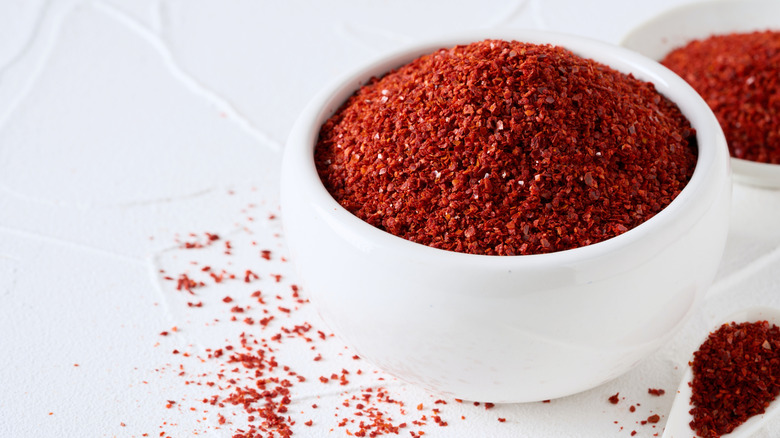
If you're a big fan of spicy, smoky flavor, gochugaru deserves a permanent spot in your pantry. For those unfamiliar with Korean cuisine, gochugaru is finely ground Korean red chili powder known for its bright red color and unique smoky, slightly fruity flavor. The heat can vary depending on the type (maewoon being spiciest and deol maewoon being the least spicy); however, it tends to be mild to medium on the Scoville scale. It's typically made by sun-drying Korean red chili peppers, also referred to as taeyangcho peppers. Once fully dried, they are ground into a fine or coarse powder.
Gochugaru is a staple ingredient in Korean cuisine and is commonly used throughout many Korean dishes, including stews, soups, and salads. It's most famous for providing kimchi with its vibrant red color and distinctive spicy heat. You can also sprinkle it on noodles, fried rice, dumplings, or eggs or even use it as a seasoning blend for french fries. You can find it being sold at Asian supermarkets, spice shops, specialty food stores, and well-stocked supermarkets, often labeled as Korean chili powder, Korean chili flakes, or Korean pepper powder.
8. Freeze-dried fruit powder
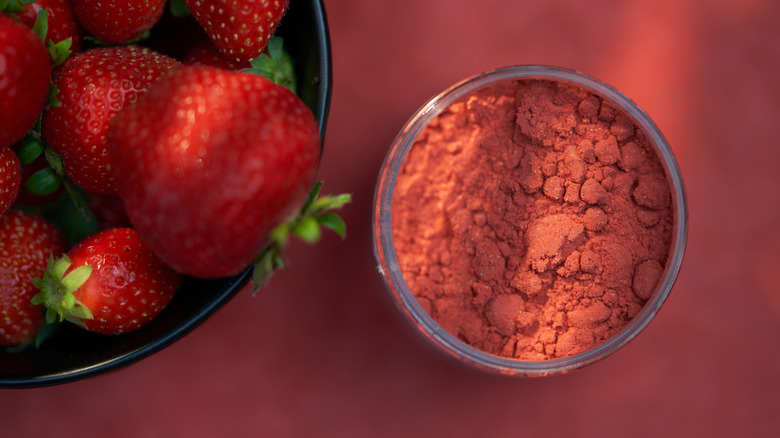
For serious bakers looking to color their confectionery creations with a natural dye rather than artificial coloring, you should definitely stock your pantry with some freeze-dried fruit powder. These concentrated powders are packed with intense fruity flavor, vibrant color, and natural sweetness. Due to their low moisture content, freeze-dried fruit powder blends perfectly into batters, mousses, creams, and frosting without compromising the structure, providing them with an exceptional flavor and an all-natural color.
For those unfamiliar, the freeze-drying process removes almost all of the moisture content, intensely concentrating the fruit's flavor. Freeze-dried fruit is typically sold whole or in powdered form at specialty culinary stores and online. If you can't find it powdered, simply blitz it in a blender or food processor until it's finely ground.
There is a wide range of freeze-dried fruit powders from strawberries and raspberries that deliver vibrant pink tones to mangoes that impart sunny yellow hues. Virtually any fruit is available in freeze-dried form to enhance your desserts with natural color. Beyond aesthetics, freeze-dried fruit powders solve common baking challenges. Fresh or pureed fruits introduce moisture that can thin icings and frostings or create soggy cake batter. These freeze-dried fruit powders eliminate those moisture concerns while amplifying flavor profiles.
9. Pork floss
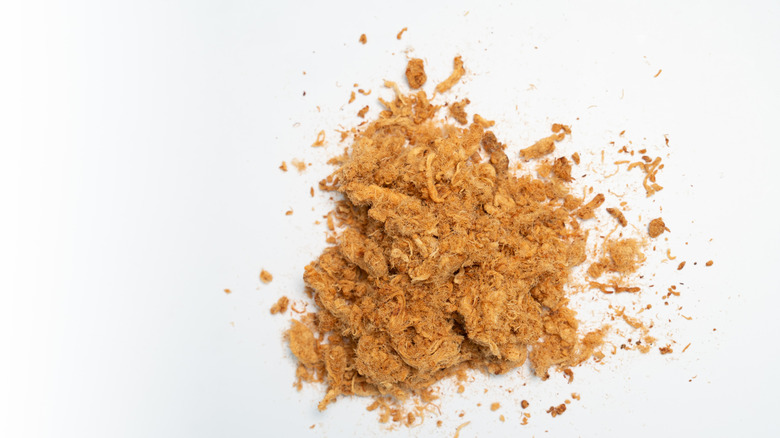
Pork floss, sometimes referred to as meat floss, is a dried meat product with a light, powdery, and cotton-like texture. The preparation begins by stewing pork tenderloin in a broth flavored with soy sauce, sugar, salt, and aromatics such as garlic, ginger, and scallions. Once the pork is fully cooked and tender, it's shredded into thin strands, then pan-fried in oil until it's fluffy and golden brown. The result is fluffy, dried pork with a salty, savory flavor and subtle sweetness. In savory applications, it is often used to garnish rice bowls, pan-fried noodle dishes, congee, or rice rolls, providing dishes with a porky flavor and unique fluffy texture. It's also commonly used to fill Asian-style pastries, breads, and sweet buns. It's typically sold at Asian grocery stores and online.
Pork floss is an essential pantry staple across Eastern Asia, with regional variations found throughout the continent. Known as rousung or yuk sung in China and Chinese communities across Malaysia and Indonesia, this versatile ingredient comes in numerous flavor profiles. You can find some versions studded with sesame seeds and seaweed; there are also sweet and salty varieties, and even spicy ones infused with chili oil. Next time you're shopping around the Asian grocery store, try picking up a container or two of pork floss to level up your pantry.
10. Matcha powder
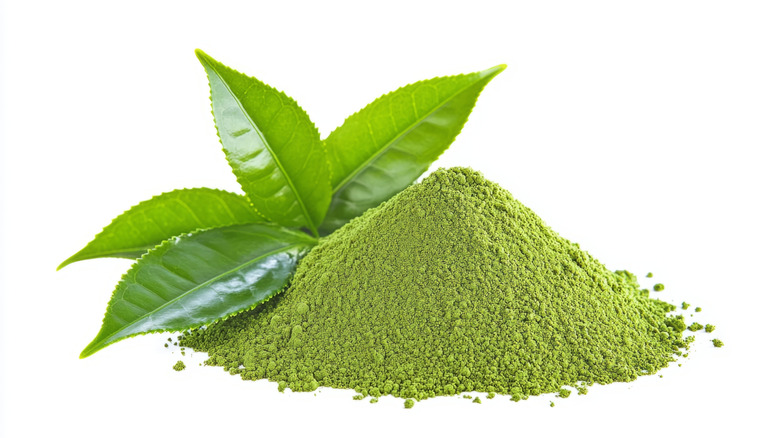
In recent years, matcha powder has become a hit in the modern barista and artisanal pastry communities, captivating culinary professionals with its exceptional taste, stunning green hue, and intoxicating aroma. Matcha powder is a finely ground powder made from dried green tea leaves. It has a rich, earthy, slightly bitter flavor profile complemented by floral and grassy undertones. The exact taste can vary depending on the quality of the matcha and its preparation method. High-quality matcha, often referred to as "ceremonial grade," is regarded for its smooth, balanced flavor with pronounced umami and minimal bitterness. Lower-quality matcha, sometimes referred to as "culinary grade," has a more bitter or earthy taste.
Traditionally, matcha powder is whisked with hot water to create a frothy, vibrant green beverage without any milk or cream. Matcha powder holds a deep cultural significance as it is an integral element of the Japanese tea ceremony. Its preparation involves being prepared in a specific way with careful etiquette and tools, including a bamboo whisk to create its quintessential foam in a ceremonial bowl.
Nowadays, modern baristas often mix it with different milks, creams, and water to craft matcha lattes. Pastry chefs around the world have started incorporating matcha powder into everything from delicate layer cakes and buttery cookies to flaky croissants and artisanal chocolates. If you want to join the matcha craze and start incorporating it into your culinary creations, you can pick up a tin at a specialty tea store or Asian supermarkets.