

Avoid This Pizza Casserole Mistake To Prevent It From Turning Into A Soggy Mess
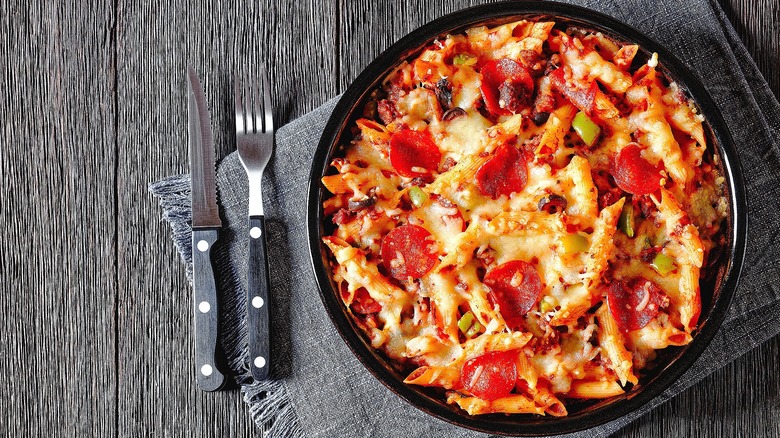
Turning a beloved food like pizza into a comforting weeknight casserole is always a good idea. However, producing a delicious pizza casserole can be a tricky task, especially when it's made with a variety of ingredients like pasta and various pizza toppings. Fortunately, Chowhound was able to secure several exclusive, helpful tips for making this one-of-a-kind recipe from Italian chef Antoinette Gangi of Antoinette's Italian Kitchen, including one regarding a potential pizza casserole faux pas you should avoid.
First and foremost, Gangi says, "For a pizza-themed casserole, you're going to want a sauce that is rich and savory, bold and well-seasoned." The Italian chef believes a thick, well-made sauce is essential, especially when it plays such a critical role in the flavor and composition of recipes like pizza casserole. That being said, it's no surprise Gangi recently partnered with Ragú for National Lasagna Day in promotion of Ragú's Kettle Cooked Roasted Garlic Pasta Sauce.
Once you choose the right sauce for the job, before you start adding underrated pizza toppings to your casserole such as broccoli rabe, corn, and fried kale, you want to avoid one potentially ruinous mistake by making sure your topping choices are free of excess moisture. "Avoid adding too many fresh ingredients like chopped fresh onions, tomatoes, zucchini or other veggies, as this can make your selected sauce too watery," Gangi advises.
For better assembly, choose your vegetables wisely to create even, modest layers. Overloading your pizza casserole with too many moisture-rich ingredients can make it more difficult to serve come mealtime.
When making pizza casserole, choose (and prepare) the right ingredients
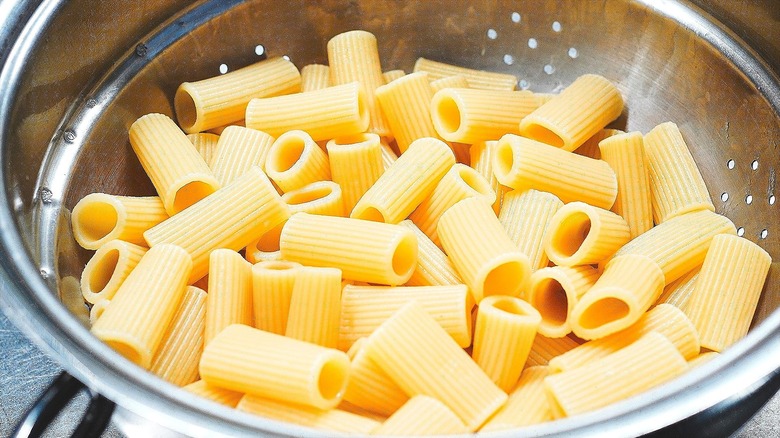
Since pizza casserole recipes usually contain pasta, tomato sauce, pizza toppings, and cheese, knowing how to best incorporate each ingredient makes all the difference. To make this meal with extra veggies like bell peppers and zucchini, sauté them on the stove before adding them to your casserole. Doing so helps remove excess moisture.
Antoinette Gangi says, "To incorporate more classic pizza toppings like pepperoni, sausage, olives and peppers into your casserole, mix some in with the pasta and layer the rest on top." For example, when making pepperoni and mushroom pizza pasta, build your tomato sauce around sautéed onions, mushrooms, and garlic. Then, add additional mushrooms to the top of your dish before baking.
If you're looking for another way to minimize sogginess, choose a variety of pasta that can effectively hold its shape when mixed with other ingredients, such as rigatoni or penne. Additionally, Gangi advises, "If you're making a pasta casserole, it helps to slightly undercook the pasta before assembling the casserole. This allows it to keep its bite once baked into the dish. Also, let the dish rest for 10 minutes before cutting so it sets up nicely."
As long as you follow these important tips, feel free to cover your casserole with a variety of toppings. Better yet, give your pizzas and casseroles a tangy twist with a creamy cheese swap like goat cheese. Or, for a sharper bite, follow Gangi's recommendation and use grated Parmesan.