

Why J. Kenji López-Alt Doesn't Like To Use Prepackaged Ground Meat For Burgers
We may receive a commission on purchases made from links.
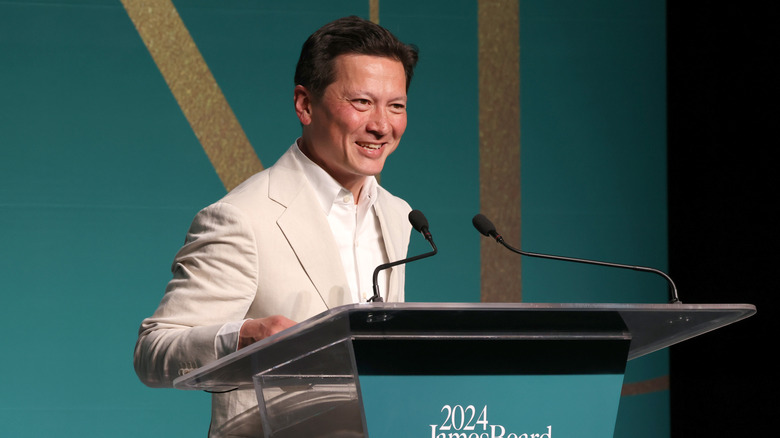
While many simply pick up ground meat from the grocery store to make burgers at home, Chef J. Kenji López-Alt encourages his fans to head to their local butcher shop instead (his favorite is Beast and Cleaver in Seattle). During a burger tutorial on his YouTube channel, the James Beard award-winning author of "The Food Lab: Better Home Cooking Through Science" broke down how grocery store meat compares to the butcher shop. He explained that, especially when making a thicker burger, ground meat from the butcher is juicier, more flavorful, and helps avoid potential contamination.
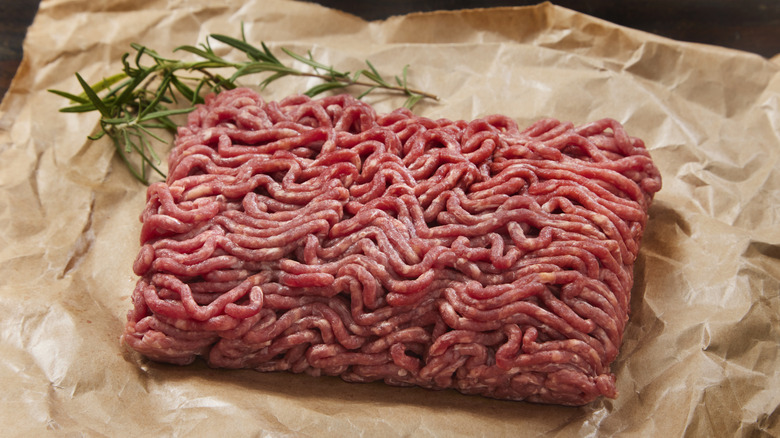
López-Alt explained that prepackaged meat is often tightly packed and denser, making it less fatty and juicy. He went on to say that when he cooks a thick burger, he prefers it to be slightly undercooked in the center (aka medium rare), so it's important for him to be extra-careful to use high-quality meat that hasn't been contaminated. Essentially, butcher meat isn't as likely to be contaminated because your ground meat is typically coming from a single animal. Prepackaged ground meat from the supermarket is typically made up of scraps from tons of different animals that get processed in a factory, which increases the chances that your meat could be tainted. It is, however, okay to use prepackaged meat when making well-done burgers.
What makes a good butcher shop?
A good butcher shop gets its meat from a local farm where the animals are humanely raised. When animals are locally sourced, you can expect your meat to be very fresh. You can tell meat is fresh if it's purple, dry in texture, and has little smell. Some animals are actually fed chemicals with the intention of making them fatter fast before they're slaughtered. Ideally, animals are grass-fed versus grain-fed since grass-fed beef is healthier. If you ask where the meat is sourced and how it was fed, and the shop is unwilling to share that information, walk out. Transparency is key.
Beyond inquiring about where the meat comes from, what it was fed, and the environment it was raised in, a great butcher should happily tell you about different cuts and offer advice for how to prepare various types of meats. Don't be afraid to ask questions, though there are some things to never say to a butcher. Ideally, the staff at a butcher shop is knowledgeable and enthusiastically helpful. Of course, the space should also be clean and organized.