

How To Tell If You're Buying A Fresh Lobster At The Grocery Store
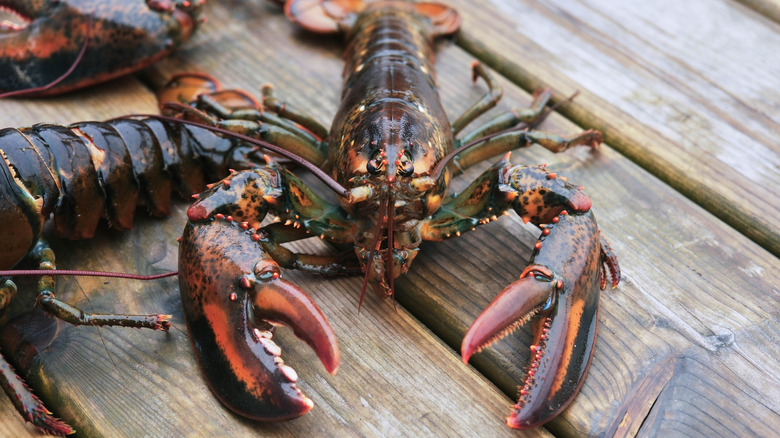
To put it simply, lobster is divine. Whether it's grilled, poached, or cooked into raviolis, the tender meat makes us feel fancy. But just as not everyone knows the best way to crack and eat a lobster, buying one can be tricky too. To help demystify buying fresh lobster, Chowhound turned to chef Anthony Gonçalves of Kanopi The Restaurant. Gonçalves, who owns and runs the Portuguese eatery alongside his wife in New York's Hudson Valley, shared some exclusive tips that explain what to look for and what to avoid when buying fresh lobster at the grocery store.
Most people don't like to think about how their food gets to the store, but it's safe to say you don't usually want your proteins still moving around. Of course, there are always exceptions to the rule, and fresh lobster is one of them. "Make sure it's alive and kicking before you leave the shop," Gonçalves said. Fresh lobster should be cooked alive, and ideally not out of the water for too long. It's all about preserving freshness and flavor — when you cook lobster while it's still alive, you maintain the sweet flavor and delicate texture.
Fresh lobster and food safety
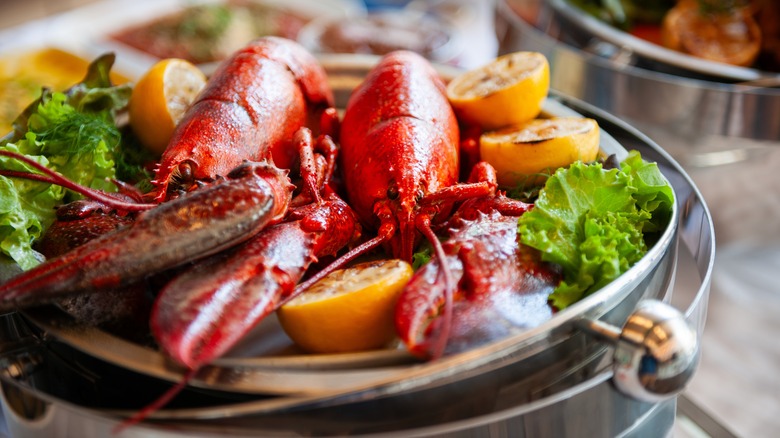
Cooking lobster while it is still alive is definitely key to preserving its freshness, but it also reduces the risk of foodborne illness. When you stick with this method, you have a lower chance of getting sick from Vibrio bacteria, a bacterium often found in dead lobster. As soon as lobsters die, the decomposition process starts. The rotting organs spoil the meat, which can cause food poisoning. The same is true for other crustaceans, like crab, which also die quickly once out of water and need to be cooked alive because of the bacterium that begin to grow at a fast pace as soon as the animal dies.
Ingesting seafood contaminated with Vibrio can cause an infection called vibriosis, which can lead to vomiting, diarrhea, stomach cramping, and fever. About 52,000 food-related cases occur each year, according to the CDC, so it's important to be vigilant when you buy lobster. Anthony Gonçalves recommends making sure the lobster is still moving, but he's also got a pro tip that you won't want to skip. "You can also gently squeeze near the base of the legs — if the shell feels firm, that's a good sign," he said. "It means the lobster has recently shed its shell and the meat should be solid."
What you want to see is as important as what you don't
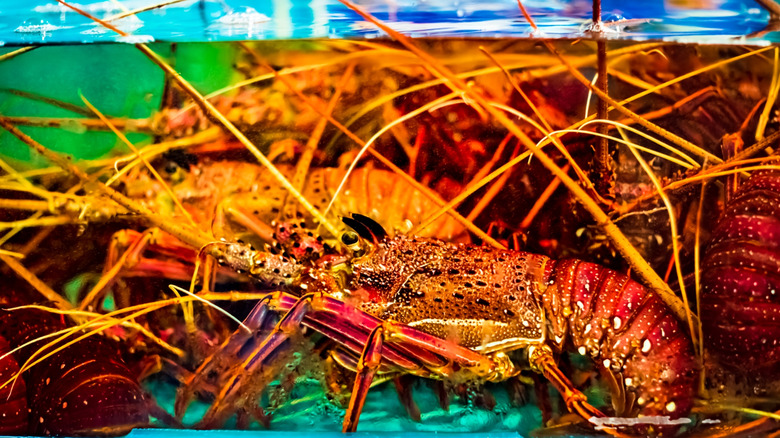
Lobster hasn't always been the pricey, high-class ingredient we know and love today. This notable shellfish was once quite common in prisons before eventually making its way to luxury dinner plates, but one thing that hasn't changed is that lobster needs to be fresh and healthy in order for it to be delicious and satisfying. There are plenty of things you want to avoid when deciding whether or not to buy the fresh lobster for sale at the grocery store. Anthony Gonçalves also had some helpful advice for what you really don't want to see. "If you see bubbles coming from the lobster's mouth, it's usually a sign it's been out of the water for too long." If that's the case, it's best to either pick a different specimen or, if the whole selection of fresh lobsters are bubbling, then perhaps simply change the menu for your upcoming meal.
Similarly, there are a few clues you can look for that don't have anything to do with the lobster you've got your eye on. If you are selecting your live lobster from a tank with other lobsters, keep on eye on them as well. If there is a lobster in the tank that may have already crossed over the rainbow bridge, you want to let the fishmonger know so they can remove it. You don't want the decomposing flesh to affect the remaining lobsters in the tank.