

How To Prevent Soggy Bread When Packing Lobster Rolls For On The Go
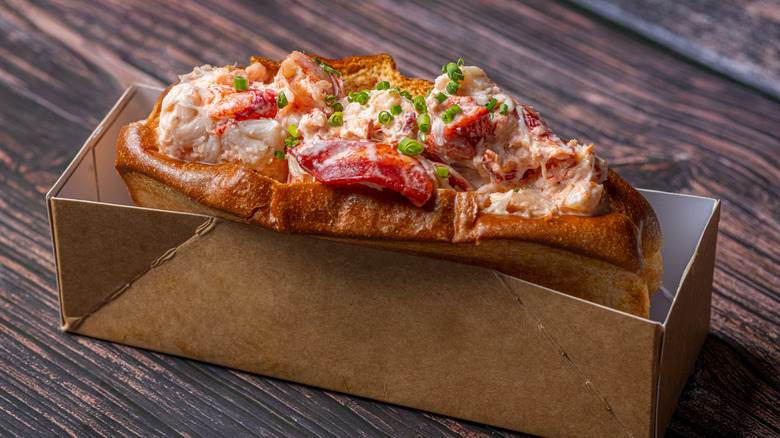
Lobster rolls are the perfect summer treat — and they make an excellent picnic food because they're handheld. There are plenty of tips for building the perfect roll, but a big one is avoiding a soggy bun. Most cold lobster rolls contain lobster salad, known as a Maine-style roll, which is made with mayonnaise, plus add-ons like chives or a squeeze of lemon juice, and creates moisture that could lead to soggy bread if it's packed too early. To help prevent this, you can make the lobster salad ahead of time, but don't put it on the rolls until you're ready to eat.
Maine rolls might be better for a picnic because they're served cold, making them easier to regulate the temperature with just some ice, but the same moisture problem applies for Connecticut-style rolls, too (the key difference between the two is that Connecticut-style is served warm, with butter). When toasting the buns for preparation, wait until they completely cool before packing them in a sealable bag. Otherwise, the condensation from their warmth will cause them to get soggy, even without any salad. In a separate container, pack the lobster salad, then assemble them at the last minute.
Other ways to prevent those soggy rolls
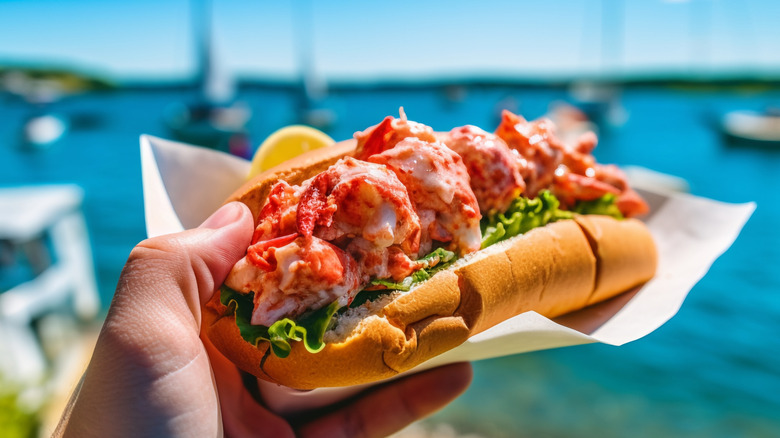
If you're taking the rolls to the beach or somewhere where it would be difficult to assemble them on the go, there are alternatives to avoiding sogginess, but you'll have to add a few more ingredients to the lobster roll. The easiest way is to toast the rolls as normal, then wait for them to cool completely before layering a large lettuce leaf, washed and fully dried, into the roll. From there, add the lobster salad on top. The lettuce will act as a barrier to prevent lobster salad's moisture from getting to the roll. Another option, though a little more unconventional, is to add a layer of cheese to your lobster roll, which will have the same effect. Avoid anything that could increase moisture, like tomatoes.
You can also swap the rolls with bread that's more durable, so while it won't entirely prevent sogginess on the inside, the exterior of the bread should remain fully intact. A thicker, heartier bread like ciabatta would work because its exterior crust can hold moisture in better than sandwich bread or a more delicate roll. Focaccia or sourdough are other good alternatives, too, or a Portuguese roll, which also has a hearty exterior crust. Though there are additional steps, making your own rolls is an easy way to save money, with most lobster rolls costing anything from $20 to $40.