

What It Actually Means To Call Food Ultra-Processed
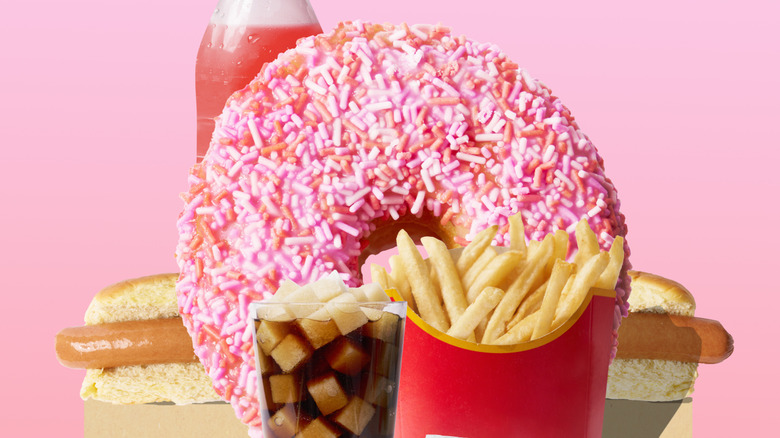
When you go grocery shopping or look over a restaurant menu, you've got tons of choices. Whether you're trying to stick to a nutrition plan or you just want to feel your best, it can be tough to figure out how to make choices that support your health. We've all heard that eating ultra-processed food too frequently can have serious health consequences, but what is ultra-processed food, exactly? Chowhound reached out to Kathleen Benson, a registered dietitian at Top Nutrition Coaching, to get the exclusive details on what exactly qualifies a food as ultra-processed.
Ultra-processed foods are products that have been processed in multiple stages and contain ingredients not typically found in regular home pantries. "These foods are often created for convenience, shelf life, and taste rather than nutritional value," says Benson. Some examples of ultra-processed foods include protein bars, soft drinks, flavored chips, frozen pizza, and some breakfast cereals. "These are products designed to be ready to eat, palatable, and long lasting on the shelf." Benson adds that ultra-processed foods can serve a practical purpose — like if you need a portable, calorie-dense snack for a hike — but many "might simply offer enjoyment."
What to know about ultra-processed food and your health
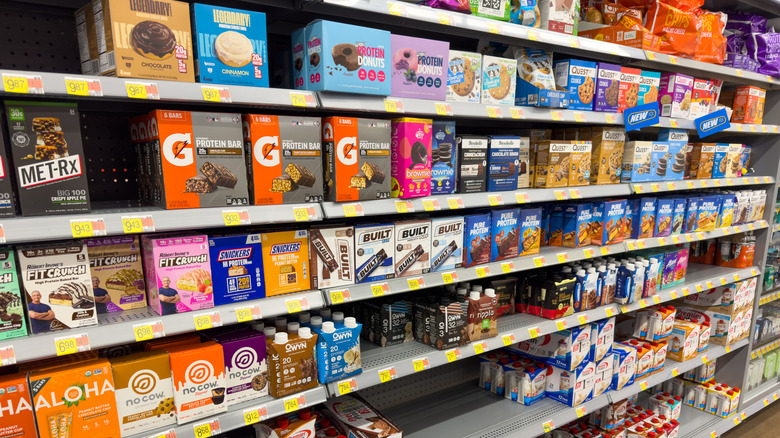
There's a reason why ultra-processed foods taste so great compared to regular processed foods (like canned foods in your pantry or the bread you buy at a supermarket). "Processed ingredients like oils, flours, or sugars are used in everyday cooking," says Kathleen Benson. "Ultra-processed foods, on the other hand, are highly modified combinations of these ingredients, often designed to be hyper-palatable and ready to eat right out of the package." The dietitian says that eating too many ultra-processed foods may leave you feeling less than your best. "These foods are often low in fiber, vitamins, and minerals while being high in added sugars, sodium, or fats. Eating them regularly can crowd out more nutrient-dense foods and may impact energy levels, digestion, or overall health if they make up the bulk of the diet." That being said, some ultra-processed items — like cereals fortified with vitamins or shelf-stable almond milk — can be valuable options for some, including those who have limited time or resources.
When it comes to deciding how often to include ultra-processed foods in your diet, Benson says that there's no hard-and-fast rule, and it's all about focusing on overall patterns. She says that sometimes, ultra-processed foods are simply practical. For example, if you need to get some quick protein before a workout, it may simply make more sense to grab a high-protein bar than grill up a chicken breast.
Common misconceptions about ultra-processed food
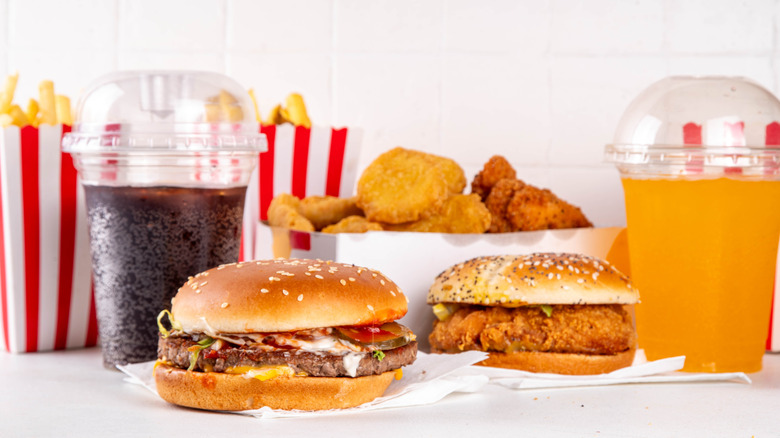
While eating a diet solely made of ultra-processed foods may not leave you feeling great, Kathleen Benson notes that these items certainly have their place and can be enjoyed in a healthy way. The fact that a food is ultra-processed doesn't mean it's necessarily harmful, or that you have to cut it out. "In reality, they can serve a useful role, whether that's convenience, taste, or access," says Benson.
There's no reason to label foods as "good" or "bad," notes Benson — she says that these labels come from diet culture, and classifying foods in this way doesn't necessarily lead to healthier eating patterns. "It's more helpful to look at how a food fits into your overall routine and whether it supports your energy, preferences, and needs." She recommends keeping an eye on your overall eating habits when you're enjoying ultra-processed foods to make sure they're not replacing more nutrient-rich options.