

Why Your Beloved Costco Finds Keep Disappearing From Shelves
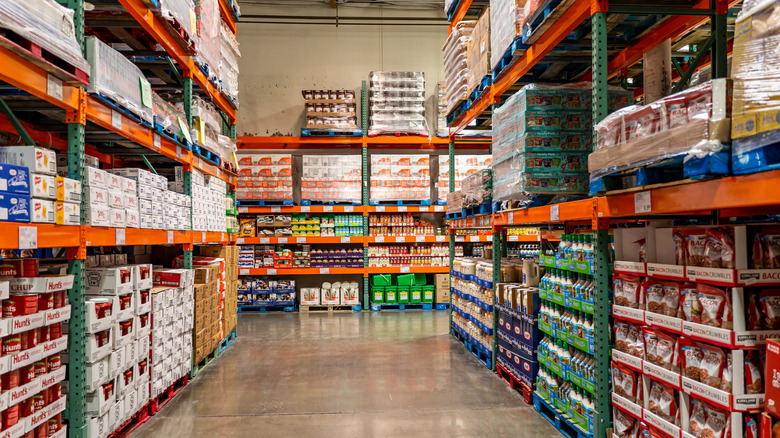
Everybody knows that shopping at Costco can be challenging, especially for those of us with attachment issues: You suddenly fall in love with a new product, only to go back for a restock and realize it's gone forever. Unfortunately, many Costco products don't tend to stick around for long-term relationships — which means there is a constant trail of broken hearts over the discontinued Costco products we're sad to see go, and there's really no way around it.
This constantly rotating cast of products works in the company's favor, though, as it creates a sense of urgency any time a shiny new item appears in the warehouse aisles. We all know by now that it's impossible to tell how long a newcomer will stick around, so it's always best to buy when you can. For the impulse buyers among us, this creates a vicious cycle of continuously buying the "next new thing" — especially if you wander into Costco's middle aisles, known for being tempting for impulse buyers who can't resist themselves.
So why do some of our favorite things keep disappearing from Costco shelves? There are a few different reasons that include everything from contracts with suppliers to seasonality and, yes, even demand.
Why Costco's brand partnerships are often changing
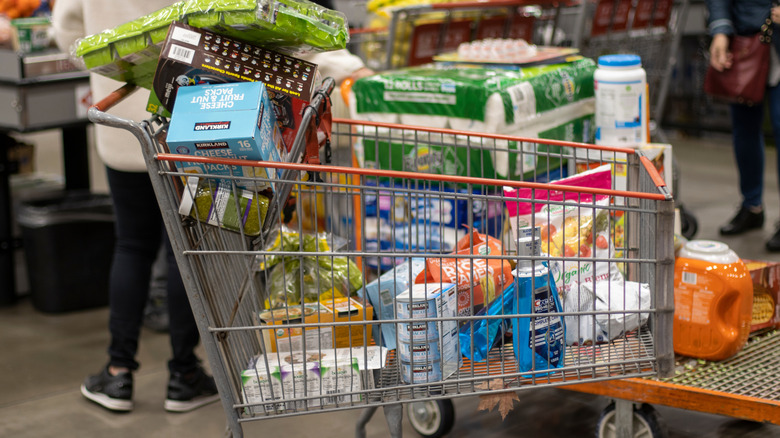
Things work a bit differently at Costco, and that's precisely what makes it unique. The company purchases all of its products in bulk so it can resell them in-store at the lower costs we all know and love. The problem with this is that if the business providing the product cannot keep up with Costco's demand, or if there's conflict between Costco and the supplier, it can quickly spell the end of the contract. This is especially true for smaller brands who don't have the manpower (or the money) to keep up with unexpected challenges in production.
Additionally, Costco also has a very limited number of products in comparison to other retail grocery stores. Fewer products means more time for negotiating with suppliers, which often results in lower prices. This, ironically, ends up with many customers spending more (don't worry, though, there are plenty of hacks to help you save money at Costco, too). That said, this strategy also means that, when the company wants to introduce a new item, it's forced to discontinue a preexisting one — even if that item might have recently become your favorite. Overall, the nature of these multiple contracts means everything can be a bit more volatile, leaving unsuspecting customers in the lurch.
Economic factors also impact what's available on Costco's shelves. Things like inflation and exchange rates affect what kinds of imported goods find their way to the warehouse shelves. Sometimes, the cost of getting that French Camembert to the United States is just not worth it for a mega company that, of course, needs to turn a profit to keep going. That means saying au revoir to it. Then, there are the more common (and expected) reasons for the changes. After all, seasonal items like salted caramels at Christmas or pumpkin-spice-everything in the fall are only ever meant to be short-lived love affairs.