

The Most Important Questions To Ask Yourself When Shopping For Kitchen Appliances

We may receive a commission on purchases made from links.
Kitchen appliances, particularly behemoths like ranges and refrigerators, will hopefully only need replacement a handful of times in a homeowner's lifespan. Their essential functions and expense, however, can imprint each of those occasions with critical import. Cheap-out now and you may pay the price later; choose style over substance and you might face premature performance issues before too long; lead with brand loyalty and you could pick a lemon. But some obvious interrogation can provide a little insurance, according to YouTube's Scott The Fix-It Guy. Chowhound chatted exclusively with this dynamic DIYer to inquire about necessary questions to ask when browsing for a new kitchen appliance.
Scott says that making an informed investment involves finding out how reputable, established industry professionals evaluate the appliance you're eyeballing. "What does Consumer Reports and other rating companies think about that specific appliance? How is it rated for reliability?" says Scott.
This involves identifying legacy publications with clearly detailed ethics policies and an explicit refusal to accept incentives for coverage — not your seemingly friendly neighborhood influencer who could be acting in the interest of who-knows-what kind of arrangement. Independent organizations, instead, will gather data to protect your pocketbook by surfacing the best, impartially evaluated items, whether it's a $10 cold brew gadget or a multi-configuration cooktop that sells for thousands.
Separating nice-to-haves from must-avoids
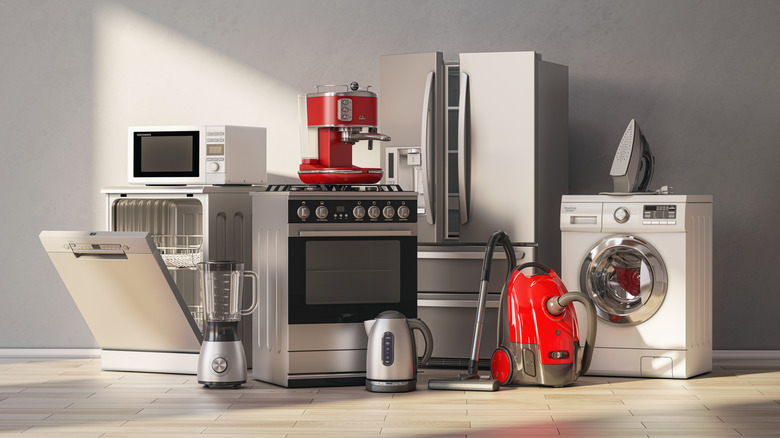
Scott The Fix-It Guy says you should also ask yourself, "What features with your new appliance purchase do you really need?" Most microwaves come with a popcorn button, for example. But plenty of the best microwave popcorn brands explicitly instruct consumers not to use the dedicated setting. If you can avoid it altogether, you probably should. And plenty of purported perks are similarly situated.
"Often, appliance manufacturers like to add on lots of 'bells and whistles' to make their appliance stand out in comparison to other brands," Scott says. But, he warns, those little additions also create more elements to break. In his 36 years as an appliance repair technician, Scott has first-hand knowledge of a key truth behind machinery of all types: "I can tell you," he says, "that the more complex a machine is, the more likely it will break down."
And when it comes to kitchen appliances, he told us, more features equal a higher purchase price. "Do yourself a favor and get only the features that you really want," he says, pointing to self-cleaning oven horror stories like those that dot the internet as a supposed perk that it's best to skip. "[It] is notorious for causing expensive damage to the oven from the over 900-degree temperatures used during the cycle," Scott says. A $5 can of Easy-Off sounds like the better buy.