

The Flour-Dusting Step That's Crucial When Adding Mix-Ins To Baked Goods
We may receive a commission on purchases made from links.
Baking is both ancient and modern; not only are there hundreds of years of knowledge to learn from, but new processes, techniques, and gadgets are always popping up. Using an air fryer for baking is relatively new, for example, but mistakes only beginner bakers make have been happening for centuries, such as underestimating the overall timing to prep and bake or not measuring your ingredients correctly. If you're getting a little more advanced, follow the secrets to better baking according to experts, such as using cooking spray to keep ingredients from sticking to your knives and measuring cups. When it's time to mix in ingredients, such as dried fruits, nuts, or chocolate pieces, it's wise to take some advice from an expert.
That's why we reached out to Kat Buckley, the United Kingdom-based blogger of The Baking Explorer (@thebakingexplorer on Instagram) and author of "Bakes that Break the Internet," for tips on how to add mix-ins so they don't sink to the bottom of the pan when baking goods with relatively thin batters. Buckley says, "If the pieces of fruit or chocolate are small, then dusting them with a little flour can help stop them from sinking." This keeps your flavor-filled pieces more evenly distributed so you get the right flavor in each bite. But, if you're using larger pieces, they may not be able to fight the force of gravity. It's better to cut them up, then coat them. "If the pieces of fruit or chocolate are too large, or the cake batter is very loose, gravity will ultimately win," she says. You may need to avoid whole nuts or big chocolate chunks when baking, especially if the batter is thin.
More tips for adding ingredients so they don't sink
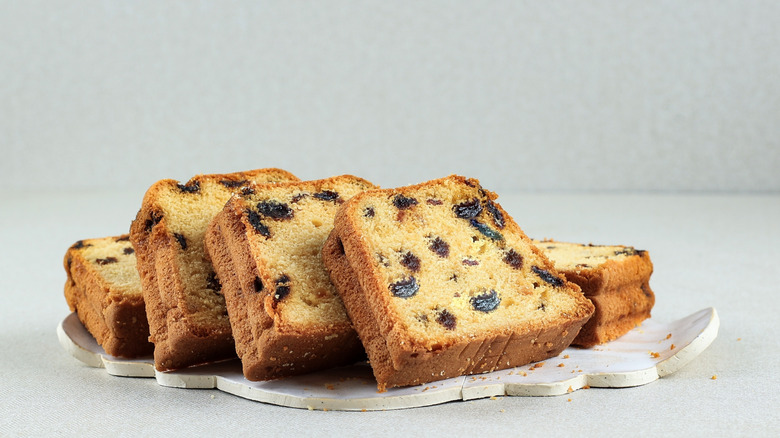
When flour-dusting these ingredients, it slightly changes the overall volume of flour in your recipe. However, there's no extra math needed: "I would always recommend using some of the flour that the recipe already calls for to dust your mix-ins with," Kat Buckley says. So, measure your flour first, coat the ingredients, then mix the batter with the remaining flour. If you're using syrup-soaked additions, such as maraschino cherries, rinse them off with a little water first, pat them dry, then coat them with flour to help with the suspension.
To add some assistance for these ingredients even more, Buckley recommends first layering the bottom of the baking container with a little regular batter with no chunky additions "to create a barrier of sorts." This provides a little extra room for the fruits, nuts, or chocolate chunks to sink slightly as the cake bakes, without falling all the way to the base of the pan. Whatever kind of tasty niblets you may be adding to your baked batters, a little coating of flour helps fight the power of physics to get a perfect bite every time.