

8 Foods You Can Bring Through Airport Security, For Better Or Worse
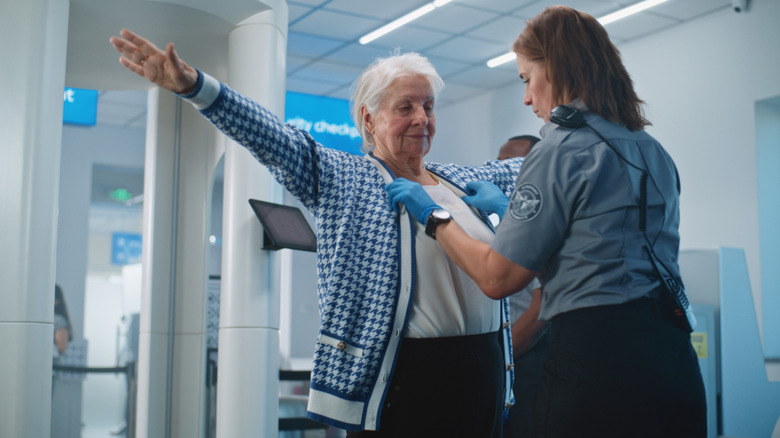
Airport security checkpoints and food are not a match made in heaven. With the Transportation Security Administration's notorious liquids rules still in place, you can only take 3.4 ounces (100 milliliters) of anything that counts as "liquid" through security in your carry-on bag. Don't forget the lesser-known rule that all of your containers with liquids must fit in a 1-quart (946 milliliters) bag. When it comes to food, it's not always clear what's allowed under the rules.
Some things are obvious: Bread, for example, is very clearly a solid, so you can stuff your bag with as many pounds of it as you like. Soup, meanwhile, is obviously a liquid, so you can only bring 3.4 ounces of it (so little it's not worth the effort). However, some foods — peanut butter and jelly, for example — are ambiguous. After all, things with a creamy texture, such as hand moisturizer, are restricted under the liquid rules. It's not clear on which side of the TSA rules these kinds of creamy foods might fall (for the record, peanut butter is counted as a liquid, so you can't bring much of it).
So, here are eight foods that are definitively allowed past a TSA checkpoint without any repackaging into tiny 3.4-ounce containers. Bear in mind that this list only applies to carry-on luggage; pretty much all foods can be transported in your checked bags.
Ground or powdered spices
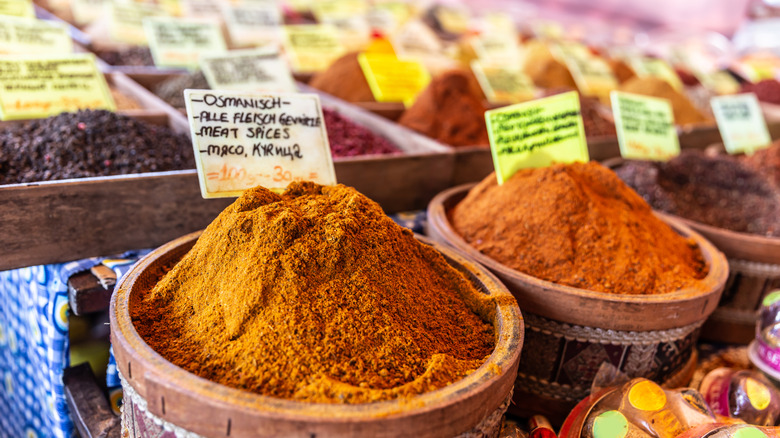
Powdery items are obviously not liquids, but they do feel like something the TSA might not allow. Fear not: You can bring all the ground cumin, coriander, cinnamon, or chiles you please through a checkpoint. This isn't an exhaustive list; any spices are good to go.
Fruits and vegetables
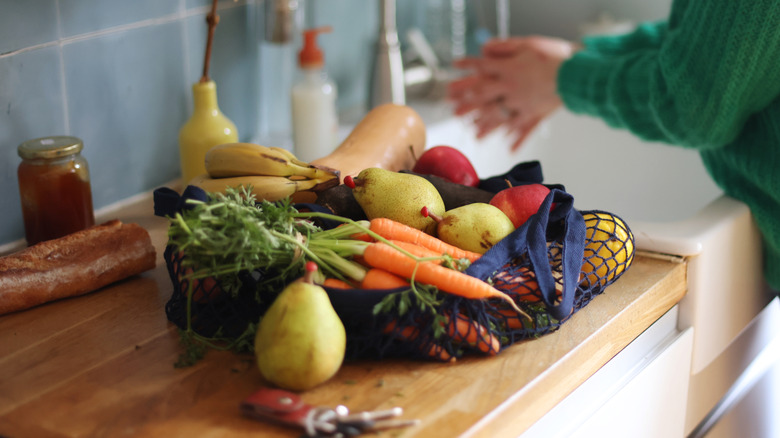
Although they may contain water or juice, produce is allowed past the TSA, but there are a couple of caveats. If they're cooked, there can't be any juice or other liquid present. For this reason, canned goods aren't allowed — unless you can somehow find a can that's under 3.4 ounces. Nor are most purées, which includes foods such as perfectly creamy mashed potatoes and fruity smoothies.
Also note that some fruits and vegetables may not be allowed on the basis of customs rules, particularly in regards to international travel. For domestic flights, this mostly applies if you're traveling to or from destinations such as Puerto Rico or Hawaii (so you don't accidentally bring in insects or plant diseases).
Baby food, formula, and breast milk
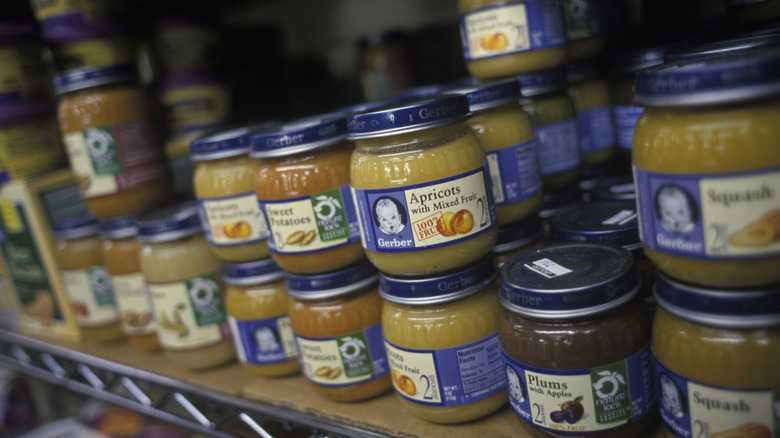
Although puréed foods aren't allowed past security, there is a notable exception for baby food and, by extension, basically anything that would be considered a necessity for your little one. You can bring baby food even if it's liquid, and it doesn't need to be in small containers (although the TSA does state that only an unspecified "reasonable quantity" is allowed). In line with this, infant formula and breast milk in quantities greater than 3.4 ounces are also permitted. You should inform the TSA about any extra baby food, formula, or milk when you arrive at the screening point.
Meat and fish
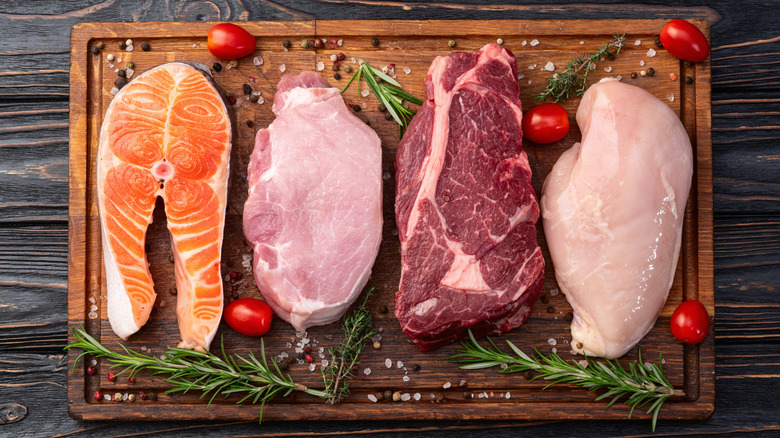
Logistically speaking, this is a tough one. There's no restriction on bringing fresh meat or fish through security, but you may run into trouble trying to keep it cold: Any ice packs you need to keep things chilled can only go through security if they're frozen solid at the time. There can't be any liquid sloshing around in the packs when you get to the TSA checkpoint. If you need to pass through security again (such as for a connecting flight), this could pose problems. Dry ice is easier since you can bring 5.5 pounds of it in packages with proper ventilation, although it requires permission from the airline. Perhaps you're better off bringing some beef jerky or smoked salmon instead.
Hard cheese
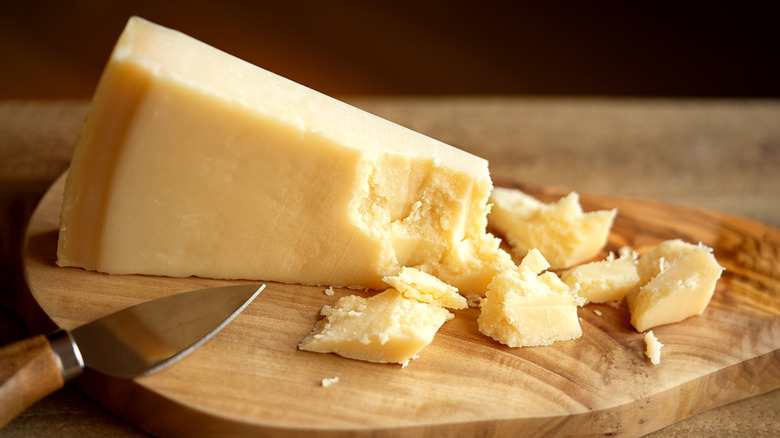
As with meat and fish, there are no limits on hard cheeses at the TSA check. However, with the same restrictions as ice, you may have difficulty keeping them cold. It can get tricky with softer cheeses: According to the TSA, so-called "creamy" cheeses and spreads are subject to the liquids rule, which means cream cheese and Cheez Whiz are a no-go. You probably shouldn't bring soft cheeses, such as Brie or Camembert, either: While the TSA isn't clear about it, they're probably too creamy to pass the test.
Protein powders and similar supplements
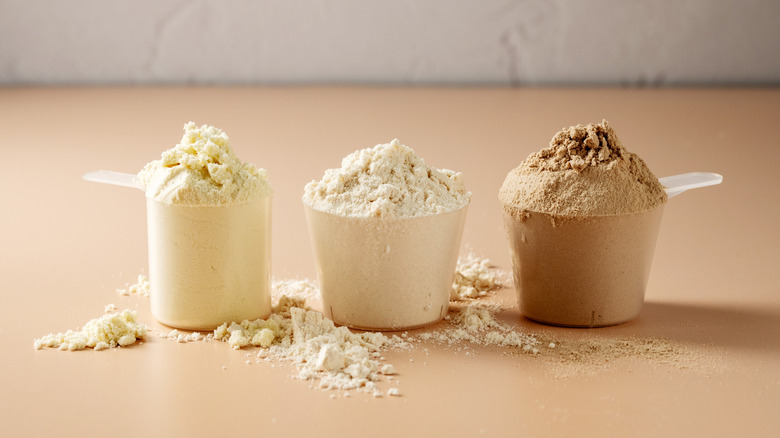
Although a protein shake is obviously a liquid, you can bring your protein powder and mix it with some water on the other side of security. The same applies for other powdered supplements. Be warned: If you have more than 12 ounces of powder, the TSA may subject them to extra screening, including, possibly, opening any packages or containers.
Eggs
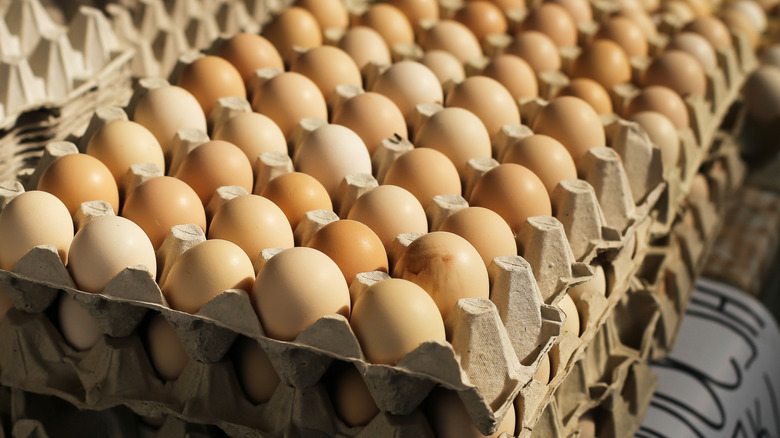
Yes, eggs are liquid inside. However, for reasons that aren't really clear, the TSA isn't bothered by them. It may be a questionable idea considering you have to keep them safe from someone flinging a suitcase on top of them in the plane's overhead lockers, but the only issue you might encounter at security is being asked to take them out of your bag to be scanned on their own.
Dried tea and coffee
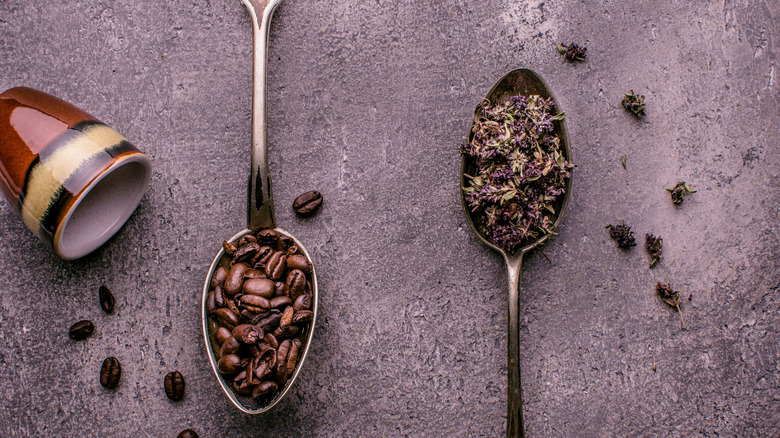
While you can't bring a cup of coffee or tea through the TSA check (a standard 1-ounce espresso shot would be okay, as would a tiny ristretto shot), tea leaves and coffee beans, including ground coffee, are completely fine. Powdery substances, such as ground coffee, might need to be taken out of your bag for scanning.