

9 Simple Ways To Elevate Your Espresso Martini

Created in the 1980s, the espresso martini has become a cult classic in bars and restaurants. At its core, the cocktail is simple: vodka, coffee liqueur (usually Kahlua), coffee, and simple syrup. But like any drink that relies on a short ingredient list, execution is critical. The difference between a watery, bitter spiked coffee and a velvety, balanced cocktail lies in the details such as shake technique, spirit selection, and even how you rim the glass!
While vodka is the traditional base for an espresso martini, modern riffs are pushing the boundaries with creative swaps, interesting garnishes, and trendy textures. This includes cold brew instead of espresso for a smoother mouthfeel, using a shaker to build real foam, or swirling a dash of peated Scotch for extra complexity. If you're ready to level up your espresso martini, here are nine simple tips that will really enhance this cocktail.
1. Swap regular coffee for cold brew for a smoother mouthfeel
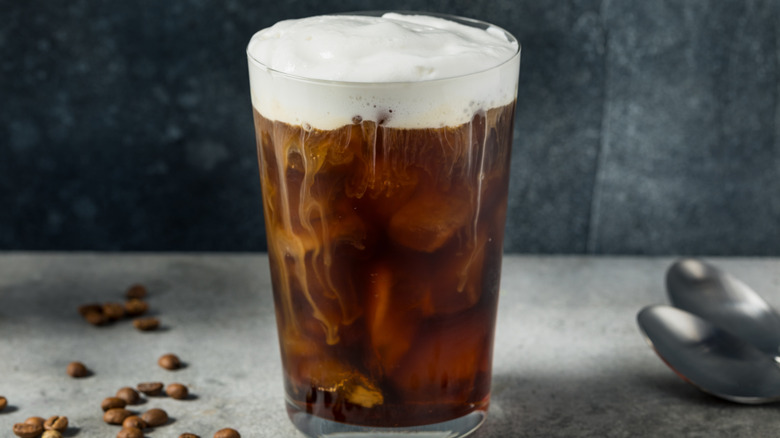
If you want to instantly upgrade your espresso martini, start with the coffee. There's a reason cold brew has become a favorite among coffee aficionados — it's naturally smoother, less acidic, and incredibly cocktail-friendly. Unlike hot-brewed coffee, which can become bitter or astringent as it cools, cold brew is made by steeping coarsely ground coffee in cold water for 12 to 24 hours. Because it's never exposed to heat, the resulting brew is rich, mellow, and full-bodied without the sharp bite that makes cold black coffee unappealing. This makes cold brew the perfect base for a velvety espresso martini, as you'll still get that energizing caffeine kick but with a silkier mouthfeel and more rounded coffee flavor.
Using cold brew is particularly helpful if you're prepping cocktails ahead of time or making a batch for a party, since it holds its flavor far better than day-old cooled down espresso. While cold brew concentrate can be more expensive than regular drip coffee or even freshly pulled espresso shots, the payoff in taste and consistency is worth it.
2. Double strain for consistency in every sip
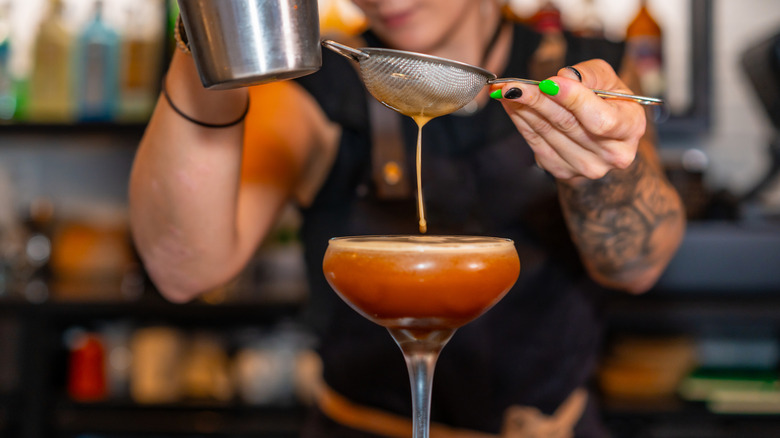
A gritty layer of ice shards or coffee grounds can ruin the texture of an otherwise well-made espresso martini. One of the simplest ways to improve the quality of this cocktail is by double-straining. This extra step ensures a smoother, cleaner drink with a consistent sip from beginning to end.
Double-straining involves pouring the shaken cocktail through a fine mesh strainer after using the built-in strainer on the cocktail shaker. This process removes small particles of ice and coffee grounds that can slip through a single strain. It also helps improve the frothy crema on top, which adds to the drink's visual appeal and overall mouthfeel.
Using a fine mesh strainer only takes a few extra seconds but the result achieves a bar-quality cocktail at home. It removes coffee ground residue and ice shards, leaving each sip consistent and clean.
3. Shake to create froth
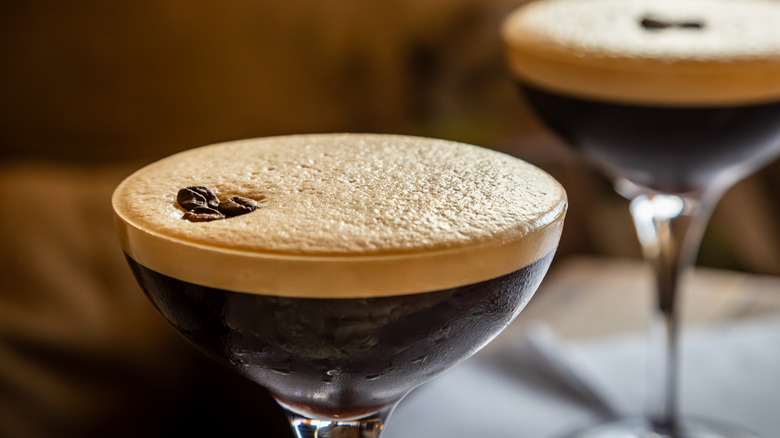
A well-made espresso martini is not just known for its flavor but also for its texture. One of the most important elements of that is the frothy cap that forms on top of the drink. Unlike beer, where excess foam is often considered undesirable, a layer of fine froth on an espresso martini adds elegance to the cocktail.
The crucial tip to achieving this signature froth is to shake it vigorously. To do this, compile the drink in a cocktail shaker, add ice, and then shake it for at least 15 to 20 seconds. This helps emulsify the oils in the coffee and fully aerates the drink, creating a frothy cap.
The frothy cap not only improves mouthfeel but also enhances the visual presentation of the cocktail. It also allows garnishes, such as coffee beans or a dusting of espresso powder, to rest beautifully on the surface.
4. Swap vodka for tequila or bourbon

Vodka is the traditional spirit used in an espresso martini but switching to a different base liquor can bring out certain flavors of the cocktail. Because vodka is an unflavored spirit, using this simple substitution allows for more dynamic notes that enhance the coffee.
Tequila, particularly a smooth and citrusy blanco, introduces earthy, vegetal, and peppery notes that stand up well against the bold flavors of coffee. The combination accentuates the fruity tones of medium roasts, as well as the sweetness of darker coffee beans, and is best for those who enjoy more vibrant and aromatic spirits.
For a cozier take on an espresso martini, bourbon is an excellent alternative. Because the liquor is naturally sweet from it's high-corn mashbill, it brings a warm caramel note that enhances the sweetness of the coffee liqueur. The structure of the whiskey also adds body to the drink, which gives it a slightly fuller mouthfeel.
5. Use a craft infused coffee liqueur
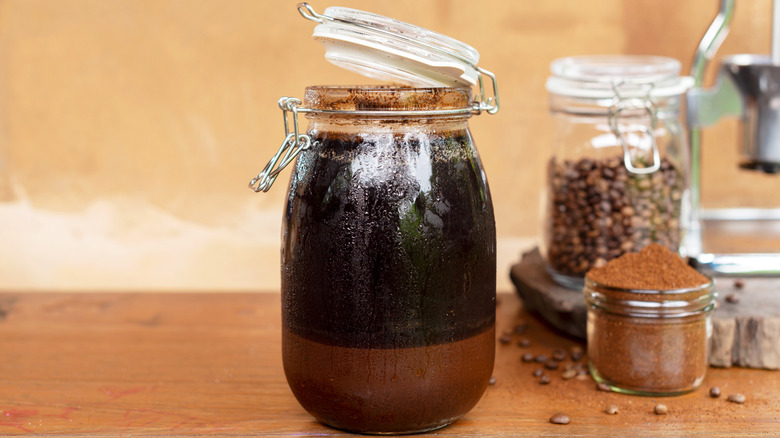
Choosing the right coffee liqueur can significantly enhance the balance of your espresso martini. Instead of using a generic option, opt for a craft or home-infused coffee liqueur made with high-quality ingredients such as single-origin coffee beans, fresh spices, or natural extracts.
Artisanal brands like Tequila Tromba's Cafeto offer bold, concentrated coffee flavor along with complementary notes of vanilla, citrus, and cinnamon. These layered flavors bring richness and warmth to the cocktail, making each sip more dynamic and aromatic. Some small-batch distillers take it a step further by aging their coffee liqueur in oak barrels, which adds depth and subtle woodiness, or by sourcing beans from local roasters for a fresher, more distinctive profile.
If a premium coffee liqueur is not available, you can easily infuse your own by soaking high-quality espresso beans in your choice of base spirit, such as vodka, rum, or tequila. This homemade approach allows for full control over strength and flavor, and the result is often more vibrant than commercial alternatives (not to mention more impressive when making it for guests).
6. Use Guinness for a hint of bubbles and creaminess
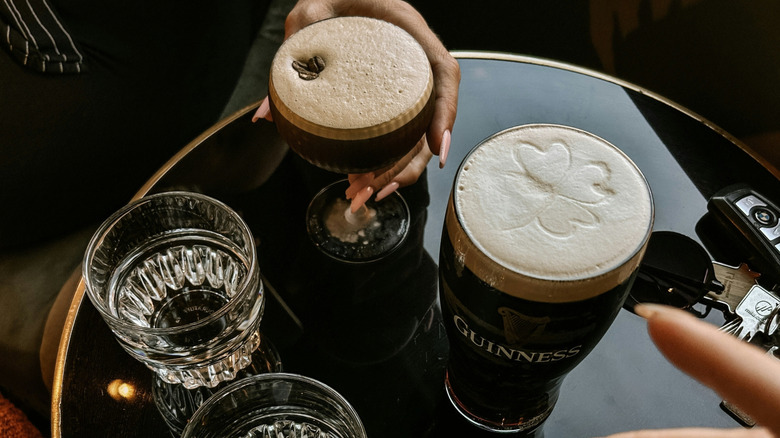
This next one might sound unconventional but hear us out: Guinness is a surprisingly great espresso martini ingredient. Just a small splash or float of this Irish stout can add a subtle bitterness and creamy bubbles that enhances the overall flavor of the cocktail.
In fact, Guinness contributes a velvety texture and subtle roasted brightness that pairs exceptionally well with coffee-based ingredients. The stout's foam enhances the body of the drink, creating a smooth and balanced sip from start to finish. The natural cocoa and malt notes found in Guinness also prevent your espresso martini from becoming overly sweet.
This technique works especially well for those who enjoy cocktails with a little more weight and structure. The addition of Guinness rounds out the flavors making the espresso martini feel both indulgent and refined.
7. Add a salted/shaved chocolate/espresso dust rim
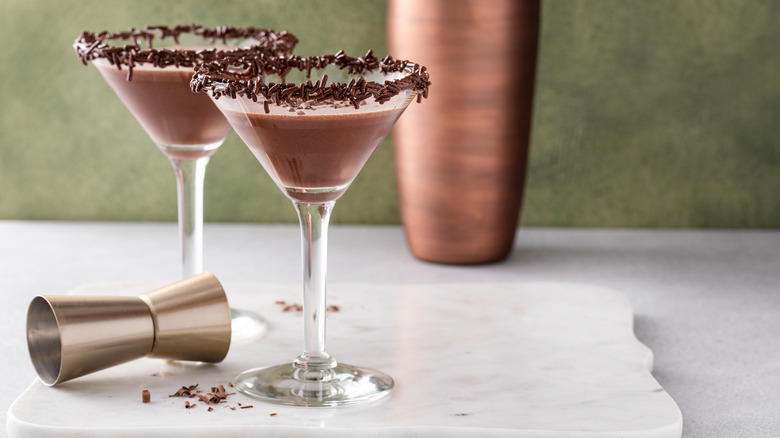
Rimming your coupe or martini glass is an easy way to add both flavor and visual appeal to an espresso martini. Using ingredients like flaky sea salt, shaved dark chocolate, or finely ground espresso powder creates a dynamic contrast with each sip and enhances the overall drinking experience.
This technique not only elevates the cocktail's presentation but also serves a functional purpose. Salt brings out sweetness and helps mellow the bitterness of the coffee and alcohol. Shaved dark chocolate adds a rich, mocha-like nuance that pairs well with both coffee liqueur and creamier additions. Espresso powder intensifies the existing coffee notes, creating a bold and concentrated flavor profile.
To apply a rim garnish, lightly moisten the edge of the coupe using water, citrus juice, or a touch of simple syrup. Then, gently roll the glass in your chosen ingredient until evenly coated.
8. Try a dalgona coffee foam top
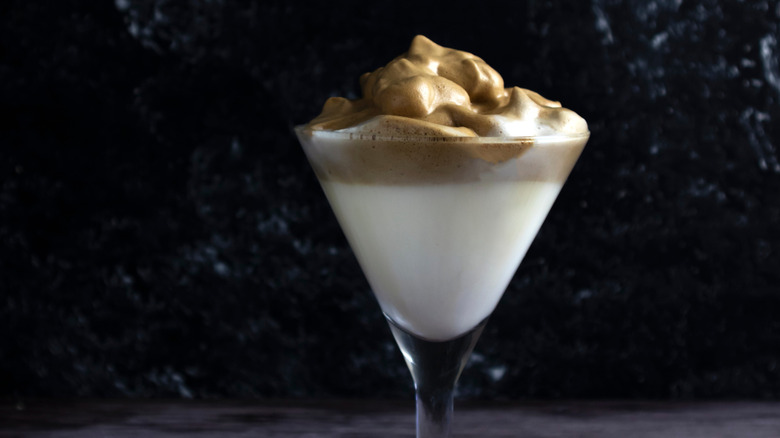
Dalgona coffee, the whipped drink that gained viral popularity, is more than just a social media trend. This fluffy, cloud-like foam also serves as a striking and delicious topper for an espresso martini. Its rich foam texture makes it an ideal addition to elevate both the look and taste of the cocktail.
Made from just three ingredients (instant coffee, sugar, and hot water) dalgona coffee is easy to prepare and can be whipped by hand or with an electric whisk. The mixture forms a thick, mousse-like consistency that sits beautifully atop the cocktail, similar to the crema on a well-pulled espresso or the foam on a latte.
Adding this foam creates a multi-layered drinking experience. It introduces light sweetness, creamy texture, and a dramatic visual element that enhances presentation. The contrast between the dense coffee base and the airy foam on top adds depth and complexity to every sip (also it's high-key aesthetic).
9. Rinse the glass with peated scotch for a smoky twist
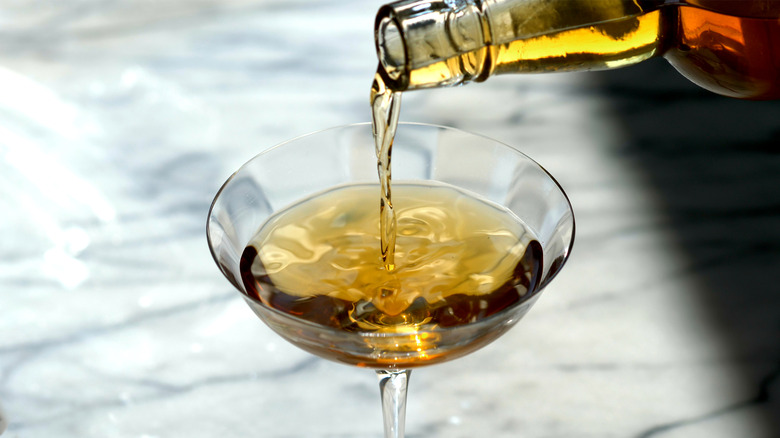
Rinsing the serving glass with Islay scotch introduces an aromatic layer of smoke that complements the roasted coffee flavors without overwhelming the drink. This technique involves swirling a small amount of peated Scotch in the glass, coating the interior, and then discarding the excess. The residual whisky enhances both the nose and taste of the cocktail with it's added complexity. This extra step creates a sultry flavor profile that makes the cocktail more aromatically exciting.
In addition to the smoke, the higher proof of most peated Scotches adds structure and warmth to the overall cocktail. Even in small amounts, it brings intensity that lingers on the palate and balances the sweetness of the coffee liqueur. Both the alcohol's strength and the peatiness of an Islay Scotch help amplify the cocktail's aroma while cutting through the richness of the coffee liqueur, giving the espresso martini a more refined and intriguing finish. Because of the higher price point of Scotch, it is an excellent choice for special occasions and celebrations. This final detail turns a homemade espresso martini into a layered cocktail that is cocktail bar-worthy.