

The Actual Reason You Can't Buy Real Root Beer Anymore

Root beer is a truly American drink. The ingredients that gave this beverage its distinct flavor, especially sassafras root, had been used by the continent's Indigenous peoples for medicinal and culinary purposes long before European settlers began incorporating them into their own foods and beverages. And while Charles Hires was the first to commercially produce root beer in the 1870s — giving it a purposely misleading name (beer) to sell more — these days, what passes for root beer is a far cry from the original.
The main reason is that since 1960, commercially made root beer hasn't contained safrole, an oily compound with a distinctive spicy and earthy flavor and one of the drink's key flavorings. The U.S. Food and Drug Administration banned its use after determining it caused liver damage and certain cancers in laboratory animals. The commercial root beer you're drinking today contains high-fructose corn syrup and caramel color, as well as a range of natural and artificial flavorings (sometimes including a safrole-free sassafras extract). Besides being considered a possible carcinogen, the federal government has another beef with safrole. It can be used to make an illegal drug.
Safrole is also used in making an illegal drug
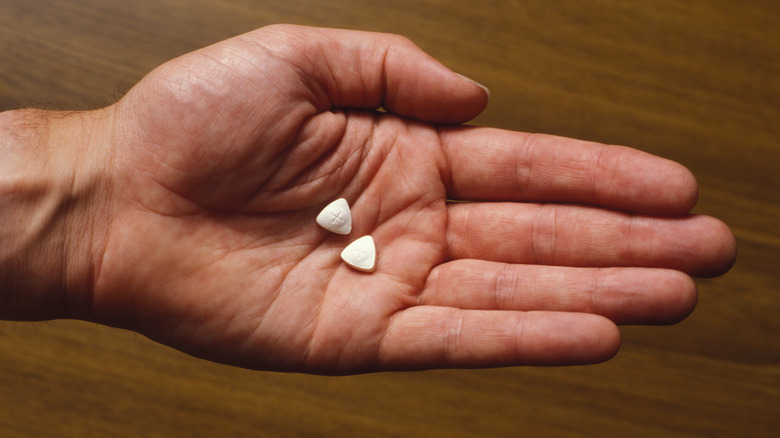
While the FDA banned safrole as an ingredient in root beer, and in 1976, banned commercial sassafras tea for the same reason, it can still be manufactured, mainly for industrial uses. The U.S. Drug Enforcement Agency made safrole a List I Chemical in 1991, meaning its production is regulated. The reason? It's used in the manufacturing of a psychedelic drug with stimulant effects called MDMA, also known as ecstasy, among other street names.
So what once was the main flavoring of root beer has become forever tied to the manufacturing of illicit drugs, besides its purported ill-health effects (some studies have failed to demonstrate the same issues in humans that were seen in lab animals). But commercial root beer makers have figured out how to make a reasonable facsimile to real root beer. Namely, our top pick, IBC Root Beer, which uses quillaia, made from the South American soapbark tree, to give it a distinctive flavor. Other flavorings used in root beers today include wintergreen, vanilla, ginger, and anise, among others. Another closely related soft drink is birch beer, Pennsylvania's version made from black birch bark that tends to be a bit mintier than most root beers. You may not be able to get the real thing commercially these days, but with all the various choices out there, we're sure you'll find a root beer you'll love.