

The 9 Best Natural Repellents To Keep Ants Away From Your Picnic
We may receive a commission on purchases made from links.
One of the best ways to enjoy al fresco dining during the summer months is by hosting and packing the perfect picnic. Pack up your favorite sparkling wine, build an affordable charcuterie board, and invite your friends, special someone, or other outdoor dining lovers to a party in the park. However, be warned that there are some party crashers that may make an appearance and ruin your special event: ants.
There are a lot of reasons to dislike ants. First off, where there's one, there's usually another, and before you know it, your picnic could be descended upon by an entire colony. They can crawl into your basket and taint your food (some may even cause disease), or they can fall into your wine glass or seltzer can as you're trying to sip and enjoy your picnic in peace. Ants can also bite, causing a skin reaction or triggering an allergy. In short, they're bad news.
Luckily, with a little bit of preparation, you can keep your picnic space clear of these pests and ensure that your guests can enjoy the gathering as much as possible. We've rounded up some of our favorite natural remedies for deterring (and in some cases killing) ants, all made with readily available ingredients you can purchase at the store or through retailers like Amazon.
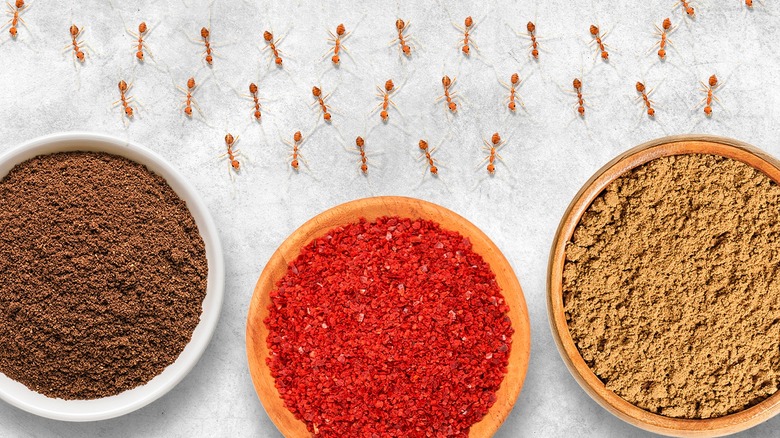
1. Black or cayenne pepper
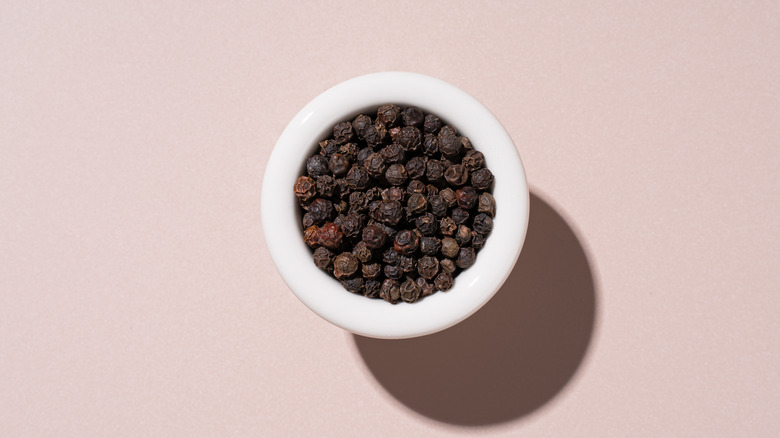
If you don't like the taste of freshly cracked black pepper on things, you may not be the only one. Cayenne and black pepper are the ant-repelling powerhouses sitting in your pantry. The primary reason why these little critters despise these spices is because they alter the ants' ability to track scent trails. Cayenne pepper has the same effect as black pepper, though black pepper may offer a cheaper solution to ward off this pest.
Black pepper may not necessarily kill the ants, but it should deter them from your picnic site long enough for you to enjoy your meal and company. If you notice an anthill near your picnic site, for example, try putting a little sprinkle of black pepper inside the hole. However, some sources have reported that it's possible to kill the ants with a mixture of black pepper and water, though it may be because the water is doing most of the work. Cayenne pepper on its own also won't kill ants, but it's worth a try.
2. Peppermint oil
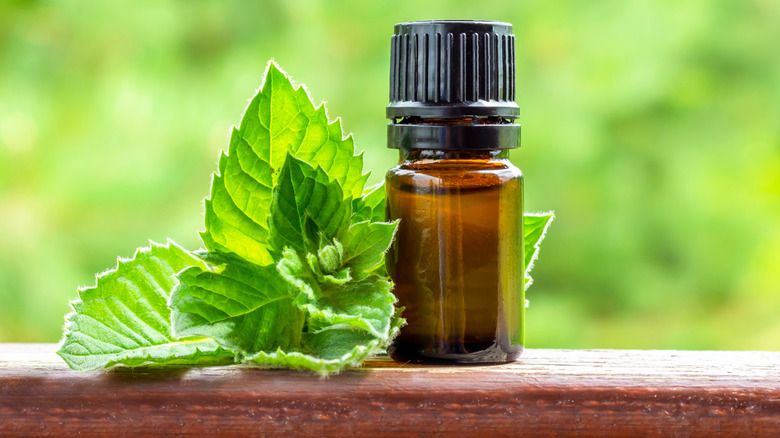
Peppermint oil is known for its aromatic properties, and it turns out that these are also what make it such an effective deterrent against pesky ants. Not only will it leave your picnic area smelling great, but it will also keep the insects out of your basket and off your blanket.
This natural remedy is highly effective at repelling insects like ants, and there are several different ways you can prepare it. Mix 10 to 15 drops of peppermint oil into a container with water (like one of those small spray bottles you'd take to the beach), and spray it near your picnicking spot. You can also soak cotton balls in peppermint oil and leave them around your site. The balls can be reused; just make sure to give them a whiff before you put them down to ensure they still smell like the oil. It's very important to note that peppermint oil is toxic to pets, including dogs, so if Fido is joining you on your picnic, you may want to select a different pet-safe method for deterring ants.
3. Tea tree oil
Tea tree oil is another natural ant deterrent that you may already have on hand, especially if you're big into DIY beauty products. Research compiled by the United States Department of Agriculture (USDA) has shown tea tree oil to be an effective deterrent against two species of ants: Argentine ants and red imported fire ants. It was not the most efficacious ant repellent tested in this particular study, but some toxicity was reported.
You can make a tea tree spray by combining five to 10 drops of the oil with 2 cups of water. While tea tree oil alone will work, you can also combine it with citrus oil or peppermint oil and spray it around your picnicking site. Tea tree oil is indeed natural (as it comes from the distilled leaves of a tree endemic to Australia), but it can be toxic if ingested. Cats and dogs are also susceptible to tea tree oil poisoning, so make sure you avoid contact with your furry friends while preparing or using this oil spray.
4. White vinegar
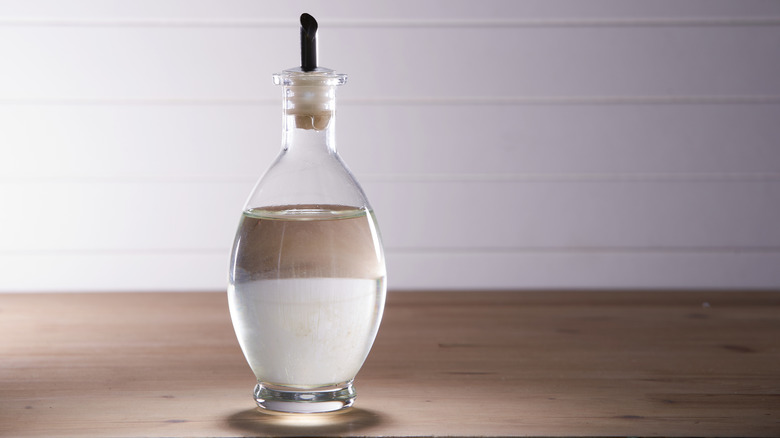
If you're looking for a non-toxic and pet-safe way to rid your picnic site of ants, look no further than white vinegar. Not only is it the secret ingredient for keeping your kitchen clean, but it can also be used to keep your picnic site perfectly ant-free. Like several of the other natural pest deterrents on this list, white vinegar is not a smell that ants like. It has a very strong odor (as anyone who has opened a jar of pickles or taken a whiff of a bottle of distilled white vinegar would know), which prevents ants from being able to find their way and, more importantly, food.
You can spray a mixture of equal parts distilled white vinegar and water wherever you see ants. However, since this mixture is made with water, it will eventually evaporate and allow the ants to come back. Still, this solution may be ideal, considering you're only picnicking for a short period of time. Vinegar is also non-toxic to humans, making it a safe option for picnics with kids. It's also generally safe for pets, as long as your pet doesn't ingest a large amount.
5. Coffee grounds
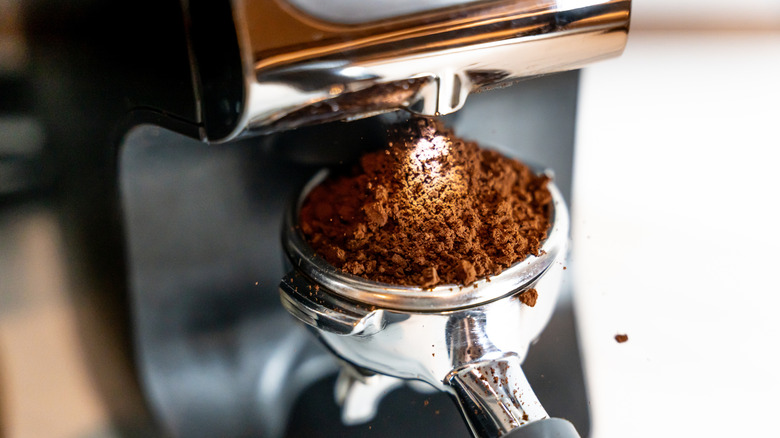
If your home is anything like ours, chances are that you have more than enough coffee grounds lying around. Stop throwing them out and use them for this pest control hack instead. Research published in the Pertanika Journal of Tropical Agricultural Science says that coffee contains several compounds that ants don't like, including caffeine. Though the research did not conclusively state that coffee grounds actually kill ants, its findings suggest that the grounds can repel them.
You're not going to want to use fresh coffee grounds to deter your ants. While you technically can do that, a more cost-effective solution is to use the spent grounds from your French press, espresso maker, and the like. You can sprinkle the coffee grounds on areas where you notice the ants are congregating, or create a border around your picnicking space with the grounds. The grounds will absorb back into the soil, so there's no need to pick them up when you're done with them. Just make sure the area isn't frequented by dogs, as the grounds (and the caffeine they contain) can make them sick.
6. Cinnamon
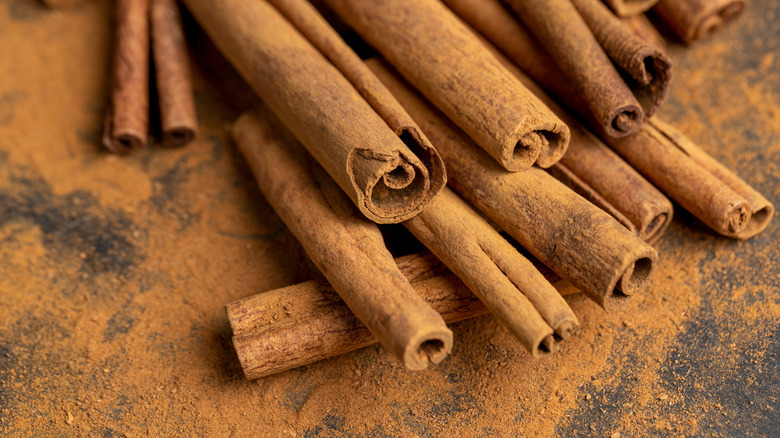
What can't cinnamon do? From spicing up your favorite batch of muffins to repelling ants, there are endless ways to use this spice. Cinnamon is believed to distract the ants, as they can't stand its smell. Ground cinnamon has also been shown to cause ants to suffocate and die, making it one of the more efficacious items on this list. Besides ground cinnamon, research claims that cinnamon oil is also a trusty ant deterrent, though it's easier to get your hands on cinnamon sticks or ground cinnamon. Plus, for the oil method to work, it needs to be highly concentrated and placed in a spot where ants congregate, like near your picnic basket or on your blanket.
If you're looking for a less potent way to deter ants with cinnamon, consider soaking some cotton balls in a mixture of cinnamon and water and wiping down any spots down where you might see the pesky bugs. It will leave your picnic blanket smelling great, but it's important to note that the residue can be toxic to pets.
7. Citrus
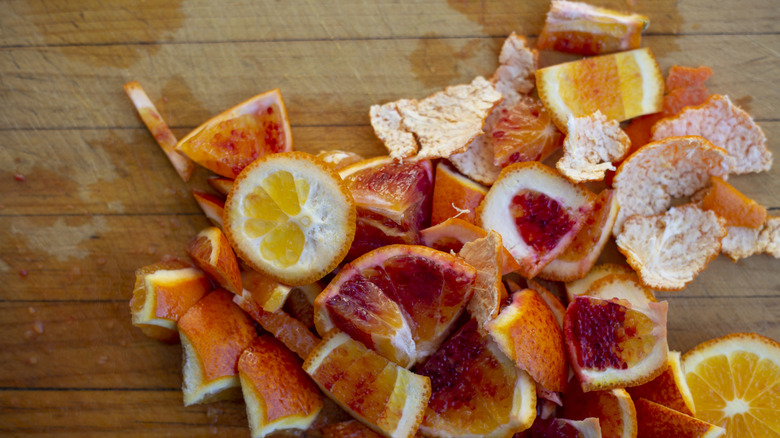
Citrus smells lovely — said no ant ever. The acidity of citrus fruit juice, including lemon, will distract and confuse ants. Some folks recommend spraying a mixture of lemon juice and water in places where ants are known to congregate to help keep them at bay, though it should be noted that this doesn't necessarily kill the pests, nor is it a long-lasting solution.
Other research has suggested that D-limonene, a compound found in citrus peels, can also help deter ants. You can leave a few of your leftover grapefruit, lemon, or orange peels near the edges of your picnic blanket or create a sprayable mixture with the peels and distilled white vinegar. You should steam the peels with the vinegar before letting it all cool, straining out the peels, and transferring the liquid to a bottle. This fragrant compound can be applied near the edges of your picnic mat (or sprayed directly on the ants) and stored in the fridge when not in use. You could also use it to clean your kitchen, as the vinegar base will unclog your gunked-up sink faucet and leave your space smelling great.
8. Citronella
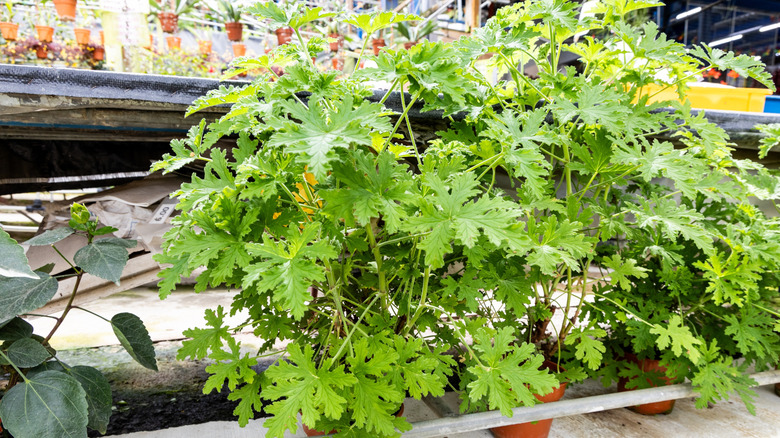
Citronella is an enemy of mosquitoes, and it turns out that it can also help reduce the presence of ants, too. Citronella, the plant from which citronella oil is refined, can be used as a repellent for several different types of ants. Research has revealed that essential oils derived from the plant are an effective deterrent against ants and are most effective in liquid form. Findings published in the Journal of Entomological Science and shared by the USDA suggest that citronella is one of the many essential oils that are toxic to ants. It was one of the most effective of the oils studied and caused higher mortality among ants than lemon, peppermint, or tea tree oil.
Some folks have suggested boiling citronella oil with water to create a concentrated solution and then adding more water to transform it into an easy-to-use spray. There isn't enough research out there to say conclusively whether citronella candles (like the kind you burn at a barbecue to keep mosquitos at bay) are effective deterrents for ants; the only results that have been reported are concerning the oil itself.
9. Clove oil
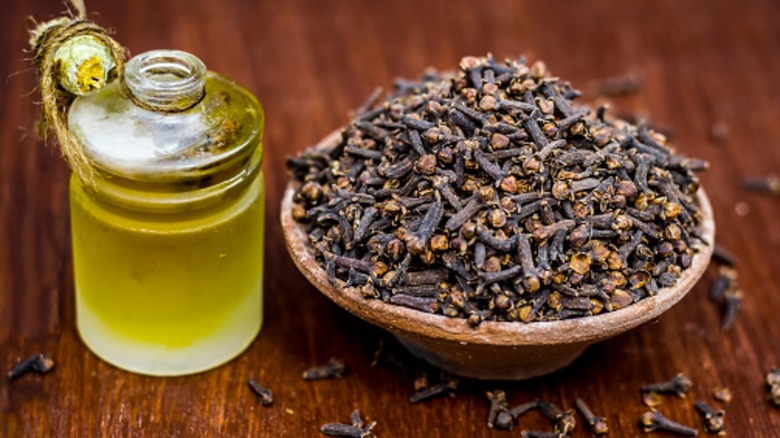
As you can probably guess by now, strong smells and ants don't mix. Aromatic clove oil can be used to keep ants away from your picnic space, and it will also keep your blanket smelling fresh. The oil contains a compound called eugenol, which is believed to be a neurotoxin to ants (though its exact effects are not yet fully understood). A test conducted on carpenter ants and cockroaches (both German and American) published by the National Library of Medicine showed that eugenol immobilized the ants and eventually killed them. While clove oil isn't effective for very long, it does the job and will leave your space ant-free so you can enjoy your picnic.
One of the best ways to use clove oil to deter ants from your picnicking site is to make a mixture of vinegar (which is also an ant deterrent and will help suspend the essential oil in water), water, clove oil, and other essential oils, like peppermint and tea tree. The blend of oils will leave your picnic space smelling great and keep everything ant-free.