

Skip The Lemon: Give Fish A Citrus Flavor Boost With This Unique Spice
We may receive a commission on purchases made from links.
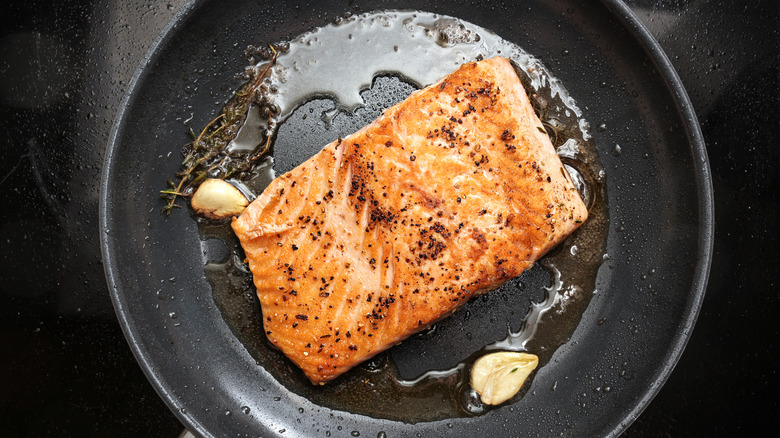
Sure, lemon is a classic pairing for seafood, but you don't want it to be the only trick up your sleeve when it comes to adding flavor to your fish. Instead, for something with a little X-factor, look to the Himalayan country of Nepal and use a spice called timut pepper.
Sometimes also spelled "timur," it's harvested from a thorny tree that grows in Nepal's mountain forests. Technically, it's not actually related to black pepper: It shares a deceptive name with Sichuan peppercorns, as both come from plants in the citrus family (that said, like black peppercorns, it comes from the fruit of the plant). Grind the "peppercorns" up, and you get some nuanced flavor: Some say there's grapefruit and lime in there, as well as a floral note and a slight numbing effect. It's a longtime staple in Nepali cuisine, where it appears in pickles, chutneys, and a fish dish called timur machha, made with turmeric, chili, and cilantro.
It's those citrus notes that make it go so well with fish: Michelin-starred French chef Olivier Roellinger developed a spice blend featuring timut pepper for use with seafood, as it brightens the delicate flavor rather than covering it the way black pepper might. Grind it fresh, as its aromatic oils lose potency quickly once it's ground; this also means you'll want to avoid preground forms of the pepper.
Other tips for using it, and where to find it
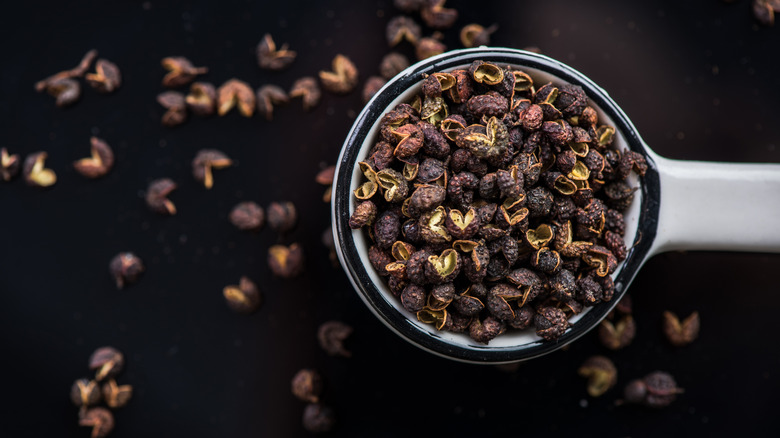
Timut pepper may be a formidably tasty spice, but it's arguably not an all-purpose one. For one, you may want to avoid it in braised or slowly simmered dishes, as the heat can cook off some of its citrus notes. In general, the aromatic oils in timut pepper can dissipate easily with prolonged cooking, so it's best to add it late in the cooking process. If you're adding other flavors, know that it goes well with butter and olive oil (its bright notes cut through the fat), as well as with fresh herbs or citrus. On the other hand, you may want to leave it out of intensely-spiced dishes, as the other flavors won't allow the pepper to shine through.
Beyond fish, it works with plenty of other dishes: It also pairs well with lighter proteins like chicken or pork, which is technically a red meat, but its mild flavor makes a good canvas for the pepper. No need to stick to savory dishes only: Like Sichuan pepper, it has also popped up in desserts alongside chocolate or fruit sorbet.
If you want to get some, you likely won't find it at a standard American supermarket. Specialty spice shops are a better bet, though it shouldn't be hard to find online (for example, on Amazon). You could also try South Asian or Nepali grocers — remember that it might be under the name "timur pepper" as well.