

6 Things Boomers Swear Tasted Better 30 Years Ago
The baby boomer generation has been the object of fascination, fear, and, in turns, both ridicule and marvel. The children of a post-World War II economic boom, this generation has gifted us with the hippie movement of the 1960s and the yuppie boom of the 1980s. They gave us incredible pop music (thank you Madonna and Michael Jackson), and fashions that have rinsed through the trend cycle so often that you might have even forgotten their boomer roots.
Now, decades into the new millennium, boomers are sages of a world that once was. Across the internet, you find pages and posts dedicated to the deepest nostalgia held by the baby boomer generation, mourning a world lost. This sense of an overall worsening of the world held by many boomers extends to various categories, from music, to movies, and, of course, food.
If you were to ask your nearest and dearest baby boomer about the state of food these days, they could probably give you a laundry list of long discontinued or foodie favorites that have somehow gone sour over the decades. According to some boomers, many foods just aren't as good as they once were. While some of this may come down to nostalgia clouding memory, there are more than a few foods that have indeed changed over the decades. Below, we've collected six foods that children of the mid-century all agree have declined in quality over the years. Be prepared; some of your favorites might be on the list.
McDonald's french fries
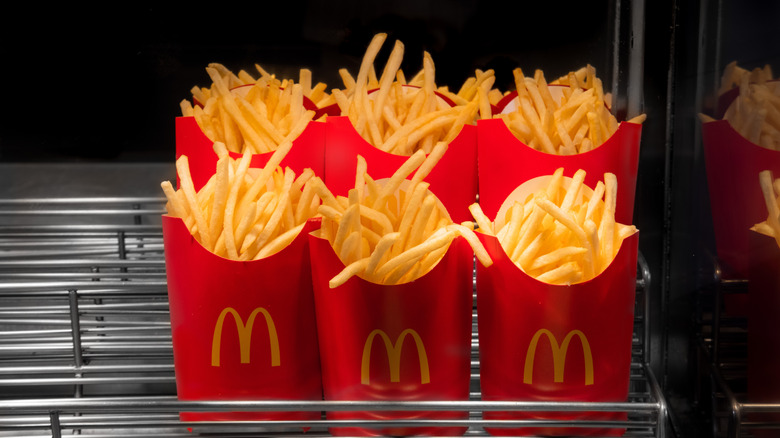
Unfortunately, anyone born in the 1990s and after simply will never know just how good McDonald's fries once were because, prior to 1990, McDonald's fries were cooked in beef tallow. This gave them a rich, beefy taste. Unfortunately, it also came with a lot of nutritional baggage, and so it was replaced with vegetable oil. Don't worry, though, McDonald's fries still have a secret beefy ingredient that sets them apart from the rest.
Twinkies
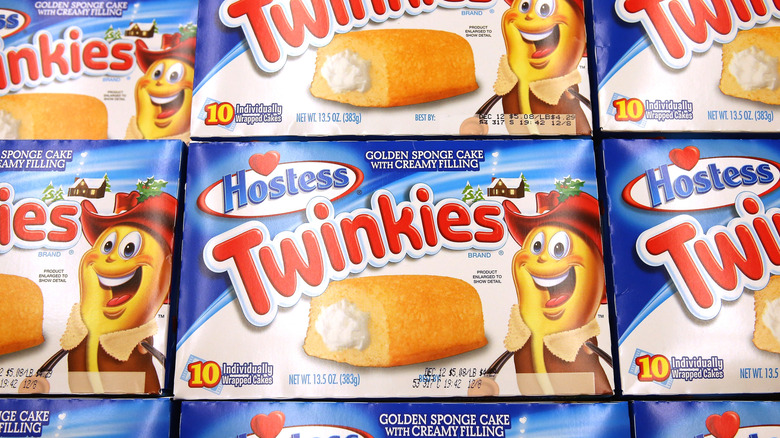
Twinkies have never been the pinnacle of freshness and quality. Convenience has always been king when it comes to snack cakes. However, in recent decades, Twinkies seem to have gone from fun, cream-filled snack to dry, barely filled sponges, according to some reviewers. Certainly some previous swaps, such as the move away from dairy ingredients, helped the cakes have a longer shelf life. But the (at least perceived) decrease in filling and change in cake texture are less easily explained. Perhaps these cakes are simply best left in memory.
Soda
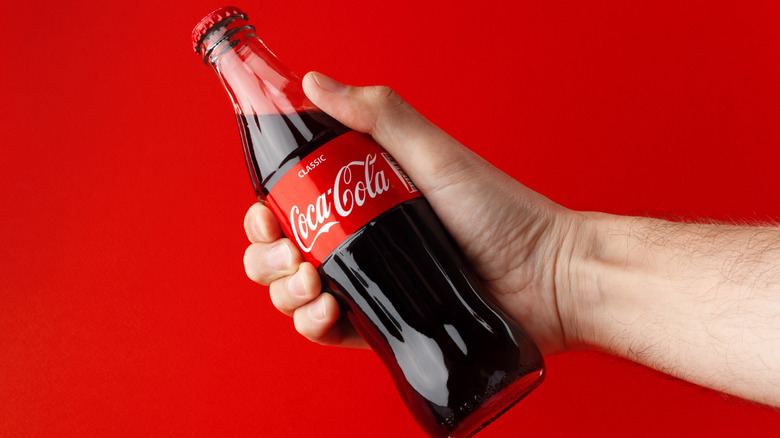
For many boomers, nothing can compare to the glass-bottled, cane sugar-containing Coca-Colas of yore. We can't help but concur. Anyone who has ever had a glass-bottled Mexican Coke can tell you that sometimes, changes aren't always improvements. In the 1980s, Coca-Cola and other big soda companies in the U.S. made the switch from sugar to high fructose corn syrup thanks, in part, to corn subsidies.
Tomatoes
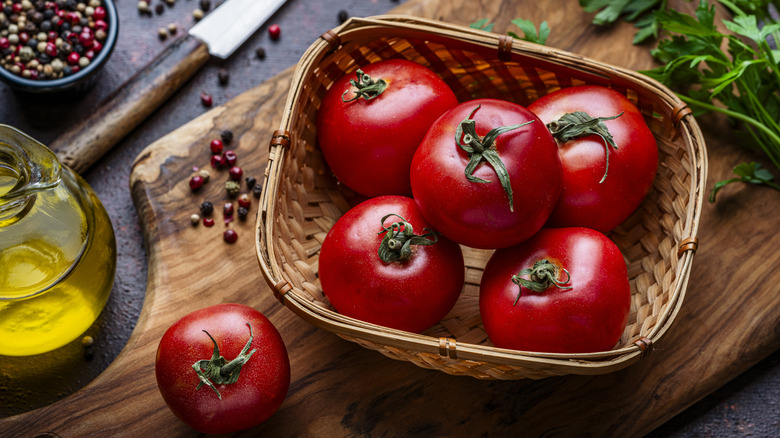
Many a picky eater dreads the thought of an errant tomato slice showing up on a burger. The mealy, watery, flavorless fruit seems to be filler at best, but it wasn't always so. Of course, anyone who has had a good garden-grown or heirloom tomato knows it can be a fine thing. Unfortunately, most commercially grown tomatoes have been developed, in recent decades, to yield more hearty and less flavorful tomatoes. So, boomers are definitely on to something.
Chocolate
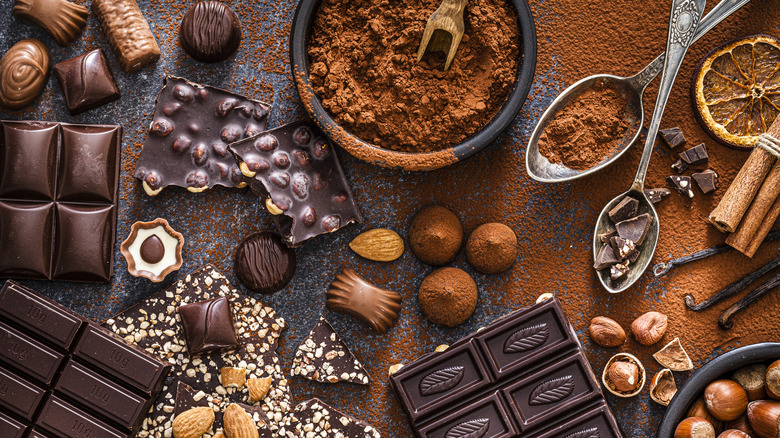
In recent years, consumers (boomer and otherwise) have noted a certain decline in chocolate quality. Since cacao has become more expensive and scarce, confectioners have been forced to make big changes, such as using compound chocolate made with vegetable fat over cocoa butter-containing chocolate. Unfortunately, consumers can taste this change.
Dunkin's donuts
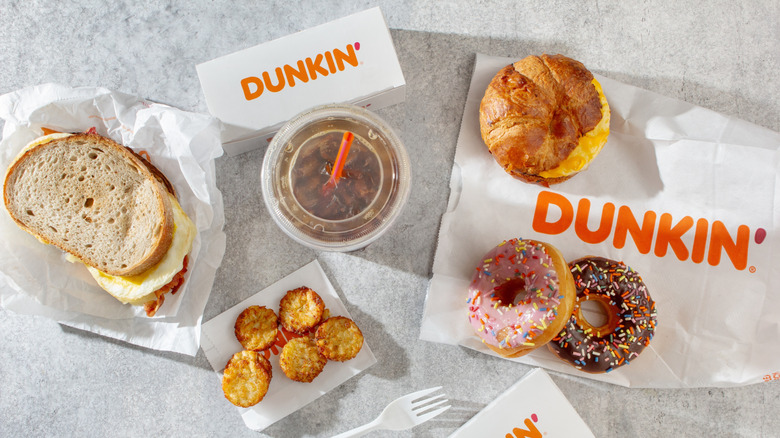
Perhaps it's best that Dunkin' removed "Donuts" from its name. Anyone older than the millennial age bracket can tell you that Dunkin' used to be much better at the whole donut-making thing. This isn't just the power of nostalgia. In the 1990s, Dunkin' started transitioning its donut production from in-house to centralized warehouses. While this practice isn't universal to all Dunkin' locations, it's common enough that many franchise owners have noticed a decrease in size and quality in warehouse-shipped confections.