

19 Mexican Staples You Should Always Keep In Your Kitchen Cabinet
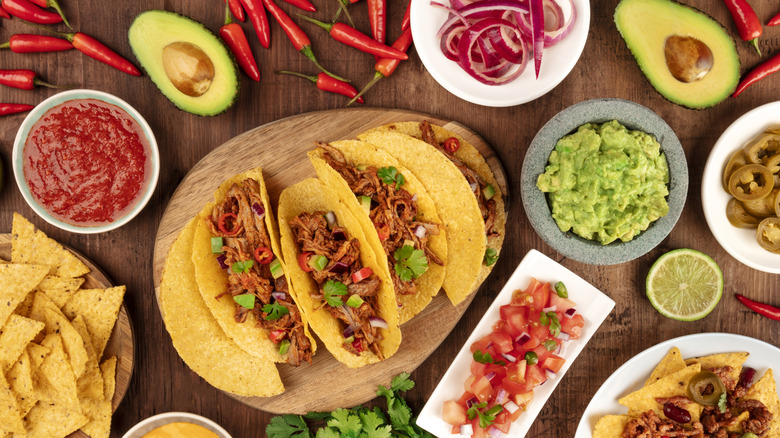
Mexican food is an expansive, varied category within the wider world of food and beverage. Many nuances across dishes are dependent upon the regions and cities they originate from. The same is the case for many accompanying preparation practices that also take different forms depending on a regional, cultural level.
If you often find yourself hosting a taco night, love enchiladas, and are always finding excuses for breakfast tacos or quesadillas, it's imperative to have a certain number of Mexican pantry staples on hand throughout the week. You likely already have a number of these ingredients, or at the very least have heard of them, such as pickled jalapeños, canned tomatoes, and tortillas. However, you can't forget more specific components such as Mexican chocolate, cane sugar, hominy, lard, and chipotles in adobo sauce.
Even if you aren't planning to make Mexican dishes every night, it doesn't hurt to have a number of these ingredients stocked. They make it easier to build hybrid meals on the fly, such as Mexican street corn pizza, which combines pizza dough with jalapeños, cheese, and corn for a delicious blend of cuisines. You could also try making caldo de res (Mexican beef soup), which calls for a number of the ingredients discussed below, including dried bay leaves and tomato paste.
Tortillas
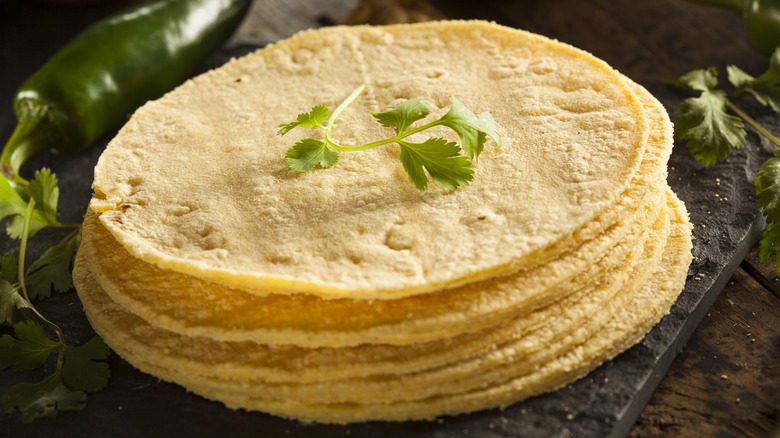
The first component to stock is tortillas. This ingredient is constantly used across a wide range of dishes, including tacos, burritos, quesadillas, and enchiladas. These flour or corn creations are the perfect base for a number of Mexican-seasoned meats and vegetables, though some tortillas are better for certain fillings. Corn tortillas are better than flour for fish tacos, for example. Tortillas keep well in the pantry, so you don't have to worry too much about them expiring quickly, or taking up fridge space.
Dried and canned beans
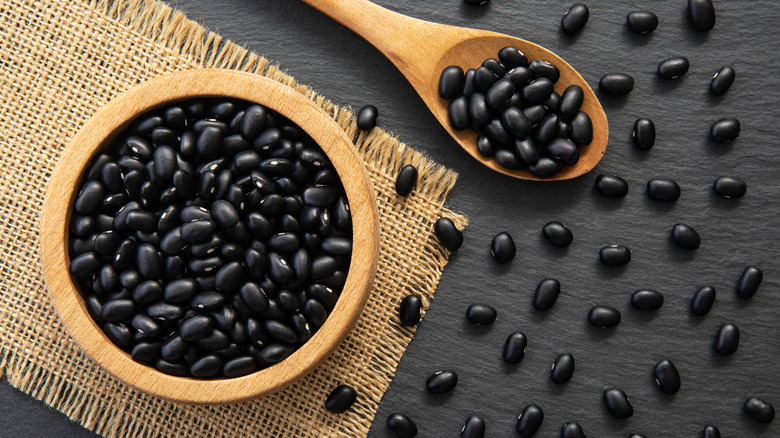
Equally expected are dried beans, which are essential across many Mexican dishes. Though there are many types to familiarize yourself with before you visit the grocery store, such as peruano, stock up on common beans such as black and pinto. Besides dried beans, stock up on canned options, such as refried beans, which let you make dishes such as bean and cheese burritos and chimichangas.
Canned tomatoes
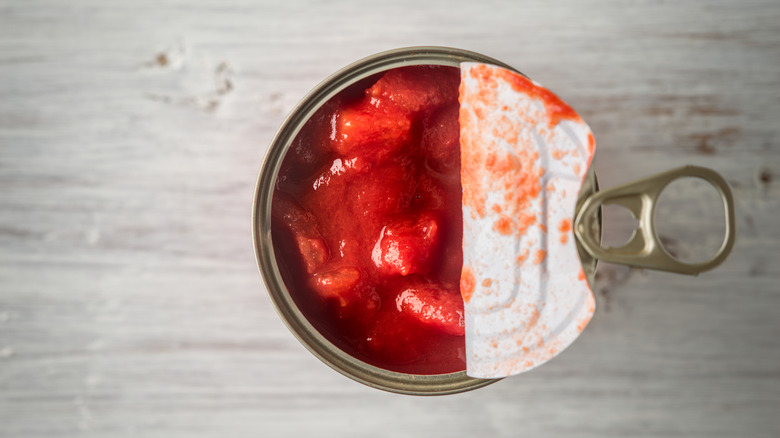
Tomatoes are an integral component in many Mexican dishes. Canned varieties make for shelf-stable ingredients that are ready to go whenever you need them. Stock this ingredient if you like huevos rancheros in particular since tomatoes serve as the salsa base you use to smother your fried eggs and tortilla. This combination makes for a delicious, flavorful, layered breakfast. You also use canned tomatoes in tomato-based red sauce-coated chipotle chicken enchiladas.
Canned corn
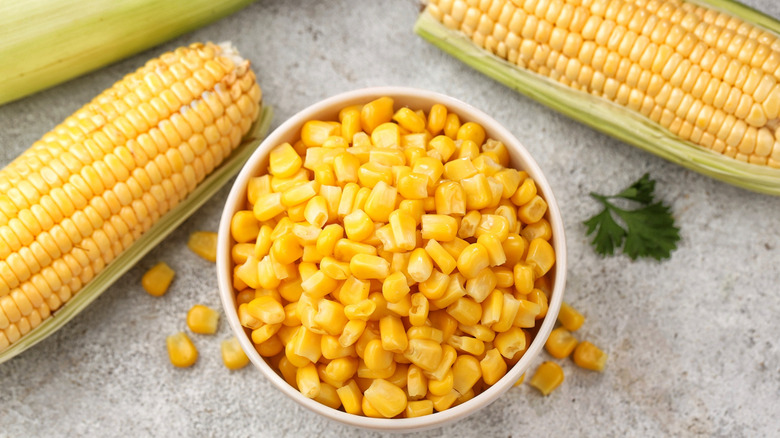
Corn is a commonly utilized ingredient across Mexican recipes. Whether it's the main component in Mexican street corn or as a filling in tacos, it's a good idea to keep this ingredient stocked. Unlike other canned vegetables, canned corn doesn't lose its crunchy texture during the canning process. Since it can be difficult to find the time to properly cook fresh corn on the cob, this alternative saves you prep time and stress when you're looking for a quick fix.
Hominy
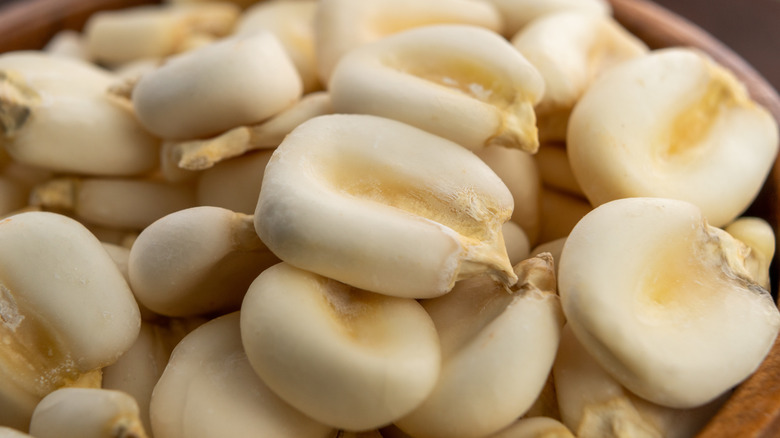
Hominy is considered a grain and exists in the same realm as corn. It's used across a number of Mexican dishes because it acts as a solid base vegetable for soups, stews, and broths, or even a green chile casserole. You can buy it canned or dried. This ingredient takes on flavor well, and is a more mellow option compared to sweet corn.
White onions
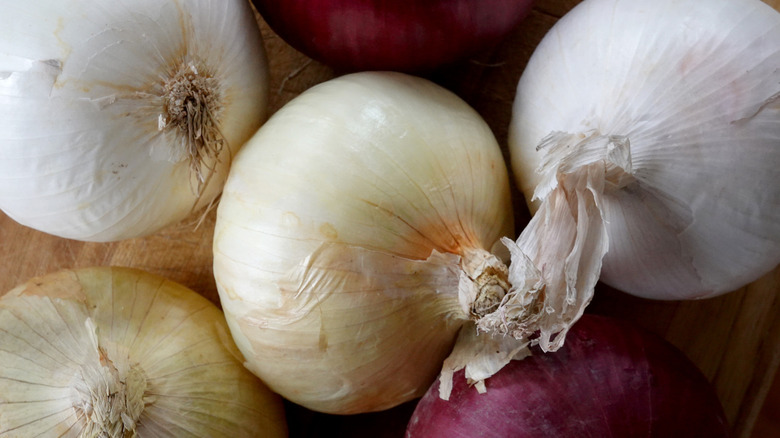
White onions are a central component throughout Mexican cuisine. The intense flavor in raw onions is incorporated into fresh guacamole and on tacos, but white onions also become sweeter as they cook, which proves useful in a number of other dishes. The pungent bite of this ingredient nicely cuts through denser flavors and ingredients for delicious, balanced meals.
Pickled jalapeños
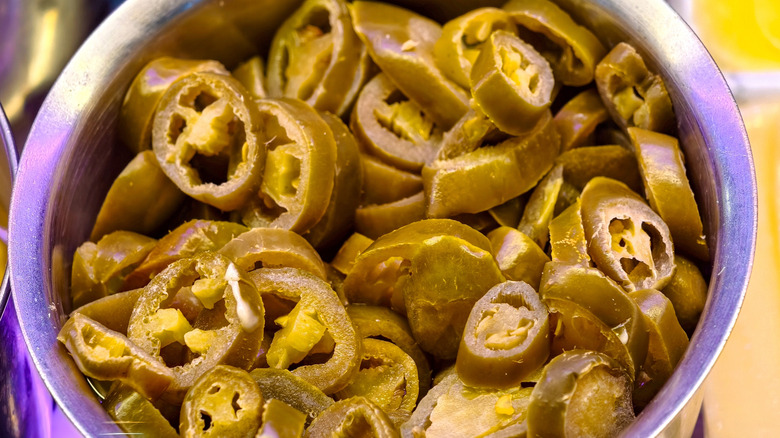
Pickled jalapeños (also known as chiles en vinagre) are commonly blended into many dishes as much as they're used as a garnish to finish off a rich meal. Use these on tacos, burrito bowls, and Mexican egg dishes. While you can buy pickled jalapeños at the grocery store, you can also make your own in a number of simple, time efficient ways. Canned and jarred varieties are great for stocking up on since they keep well for extended periods.
Aromatic Mexican herbs
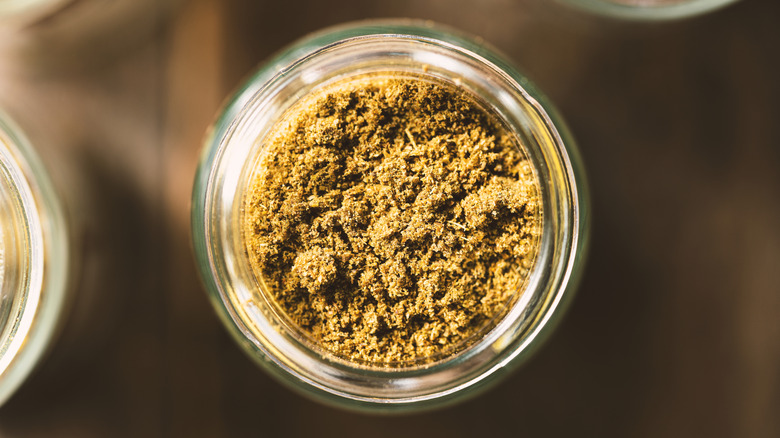
There are many popular, necessary seasonings across Mexican cuisine, some of which you may already have in your collection. Some of these quintessential Mexican spices include Mexican oregano, cumin, allspice, cinnamon, dried chiles, clove, and coriander. You can start building your selection as individual jars, or grab a blended option for ease.
Achiote
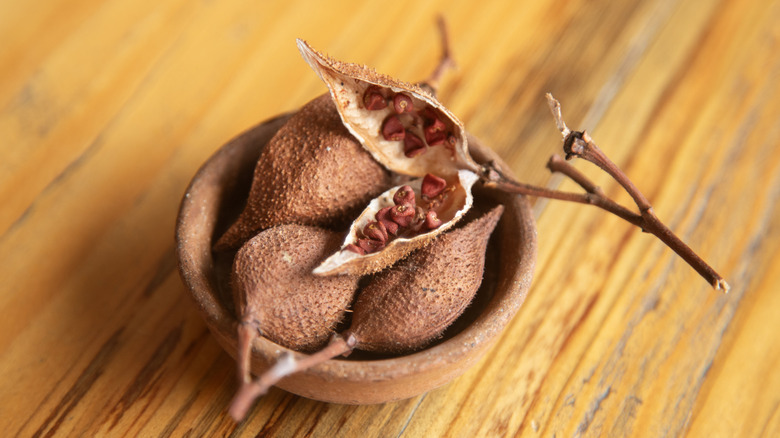
Of all the ingredients mentioned so far, achiote is less likely to be stocked in the average pantry. This is not the case when it comes to Mexican cuisine. While it can be used as a pre-blitzed powdered spice (either purchased or hand-ground), it's also commonly incorporated into dishes as a paste. This spice is particularly well loved for its flavor and food-coloring capabilities. It's commonly called for in marinades, adobo sauces, and dishes such as birria tacos.
Unrefined sea salt
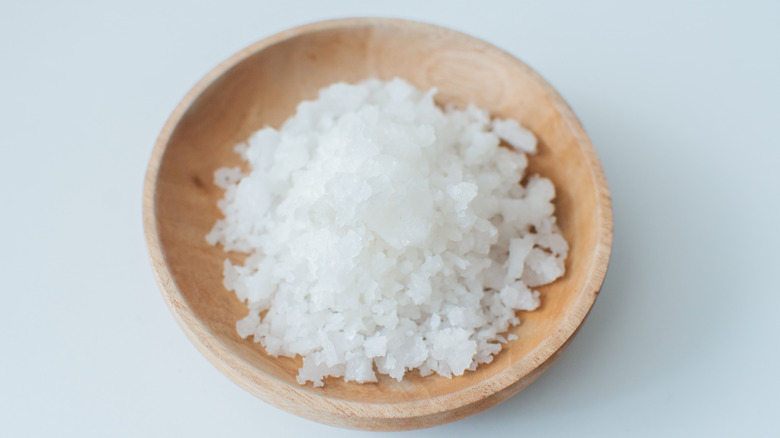
While you can certainly use standard sea salt or kosher salt in your cooking, grab unrefined sea salt as well. This option offers textural variety, a nice finishing touch, and its distinct flavor can be easily blitzed up with fresh spices to make your own Mexican-inspired seasoning. Commonly used in this type of cuisine, unrefined sea salt elevates dishes in a way that standard salt just doesn't. This type of salt often contains trace amounts of flavorful minerals that elevate even the most common dishes.
Bay leaves
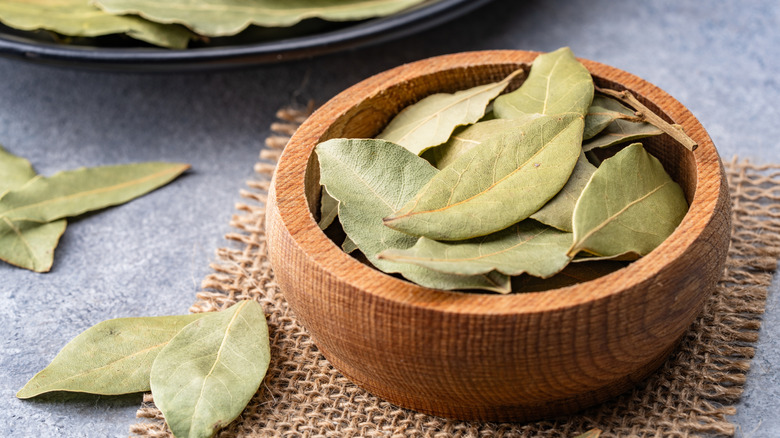
Dried bay leaves are another integral part of Mexican cuisine. This herbal ingredient is commonly added to various stews, soups, broths, simmered meats, and beans. It's included across various recipes to impart a distinct warming, slightly astringent flavor into each dish, such as flautas, birria tacos, and huachinango a la veracruzana. If you make Mexican food regularly, bay leaves are a can't-miss pantry staple that assists in deepened flavor across meals.
Unrefined Mexican cane sugar
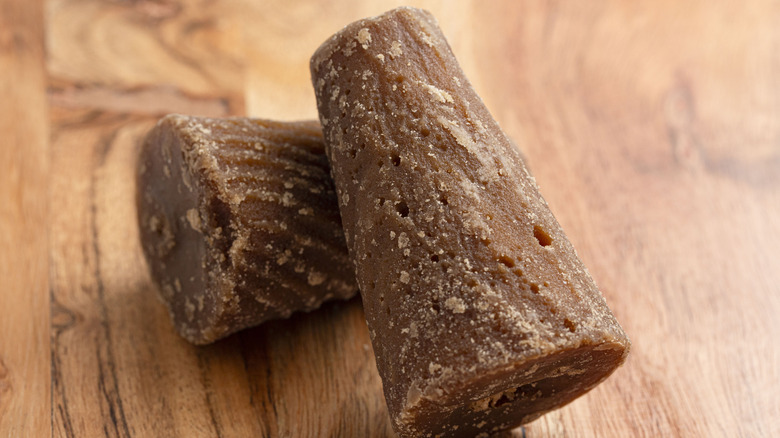
Piloncillo, or unrefined cane sugar, is another pantry necessity you can't skip that boasts an earthen, vanilla-and-cinnamon flavor profile. It's made by boiling raw sugarcane into a syrup that's then poured into molds, giving it a hardened cone-like shape. It's used to sweeten any number of Mexican dishes, treats, and beverages, such as tepache, a fermented pineapple drink. This ingredient is much more involved than a standard bag of granulated sugar in that you have to grate or melt it to use it.
Pumpkin seeds
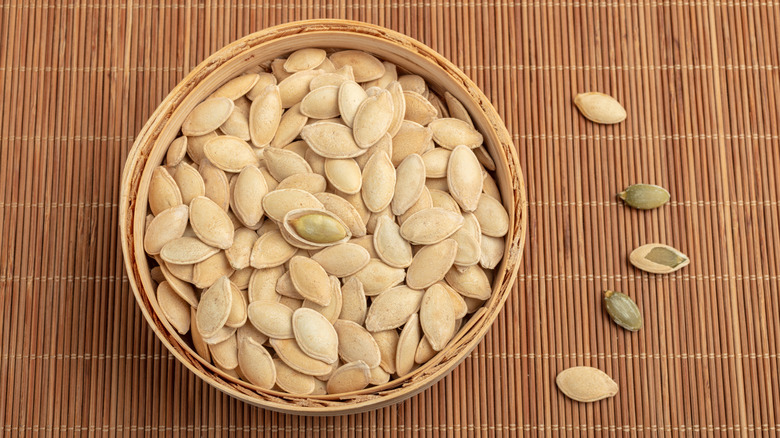
Pumpkin seeds are another popular ingredient across Mexican cuisine and are constantly used in sauces, such as mole, to add depth of flavor and textural structure. Considered one of the most important seeds used in Mexico, you're better off having them on hand. Many recipes call for pepitas (Spanish for pumpkin seeds) in dips and salsas. They're also commonly enjoyed as snacks with seasonings and salt to taste. If not a cornerstone to the dish itself, they're also used as garnishes, adding visual interest to various soups, salads, tacos, and tostadas.
Mexican chocolate

Mexican chocolate is another ingredient to stock up on. This special chocolate is made with ground cacao, sugar, and flavored with cinnamon. It's sometimes used in mole, a savory Mexican sauce that contains spices, chiles, and aromatics. Mexican chocolate is also used in hot chocolates, corn drinks, such as champurrado, and sweet variations of tamales. While popular in Mexican foods, having this unique chocolate on hand also expands your culinary world to a number of dishes and ingredient combinations.
Lard
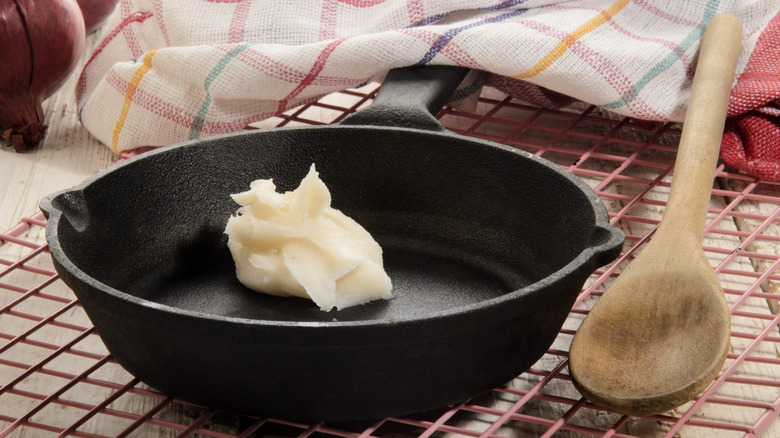
For those used to cooking with olive oil or butter, swap these out for lard when stocking your pantry. This cooking fat provides a deep, rich taste that nicely balances with common ingredients in Mexican foods such as carnitas and chicharrón. It's also used to fry tortillas and beans. This ingredient is not only useful, flavorful, and makes for many delicious meals — it's also affordable. Additionally, rendered lard is shelf-stable, so you can stock this in your pantry without worry of it going bad.
Dried chiles
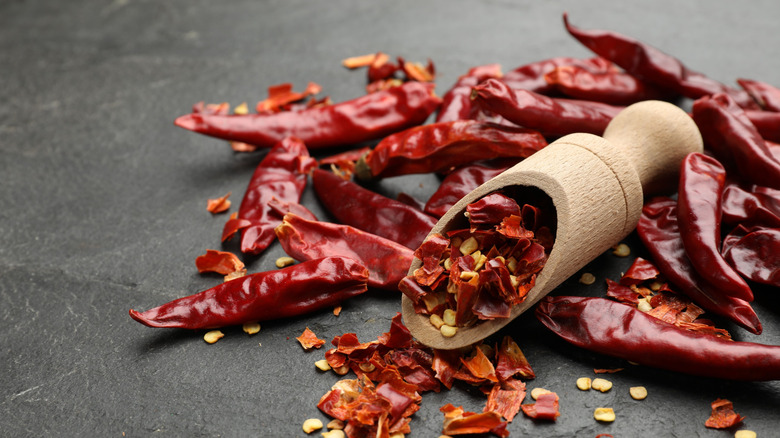
Light and dark chiles are a necessary component across a wide range of Mexican dishes. Some commonly used varieties include chipotle, de árbol, habanero, pequin, and ancho. You certainly don't have to stock every type of chile pepper to have a nice variety to use in your cooking, but for the sake of variety, it helps to have a range of mild to spicy options. This ingredient is commonly used in stews, sauces, and marinades.
Canned chipotles in adobo sauce
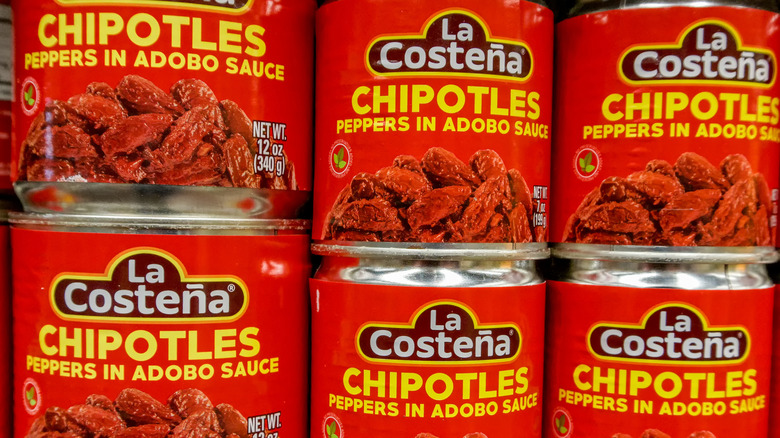
If you don't already stock your pantry with chipotle peppers in adobo sauce, you'll be glad once you start. This staple canned ingredient is undeniably useful and keeps well in dry storage. This popular ingredient is delicious across cream-based Mexican meals, salsa, and red sauce enchiladas. You can also use the excess sauce to make for a punchier queso dip, drizzle it over chicken tacos, or use it to make a chipotle mayo. Incorporate this ingredient for smoky, earthen flair across dishes, adding new levels of umami flavor.
White rice
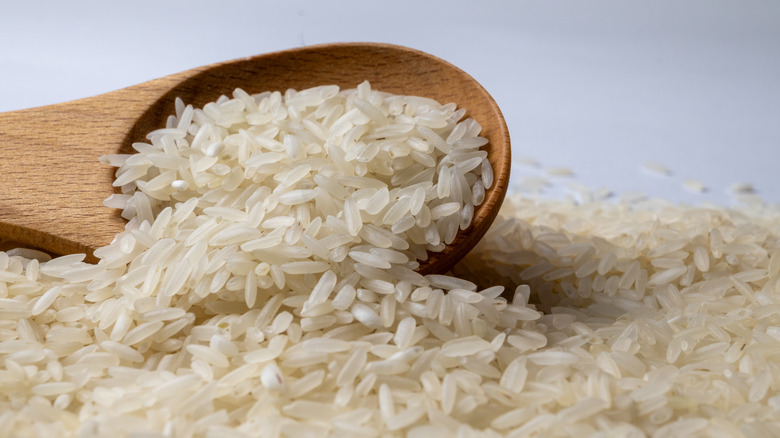
White rice is used in a variety of meals, side dishes, and desserts. It's widely considered one of the more foundational components in any Mexican pantry. Enjoyed in the form of simple aromatic rice, many season it with fresh chopped cilantro and lime. Rice is also the base of many burritos, traditional chicken recipes, and sweets such as Mexican rice pudding and horchata. You can elevate the flavor of this pantry staple by lightly frying it in a pan with oil before adding to your rice cooker (think a fluffier result with nutty depth).
Vinegar
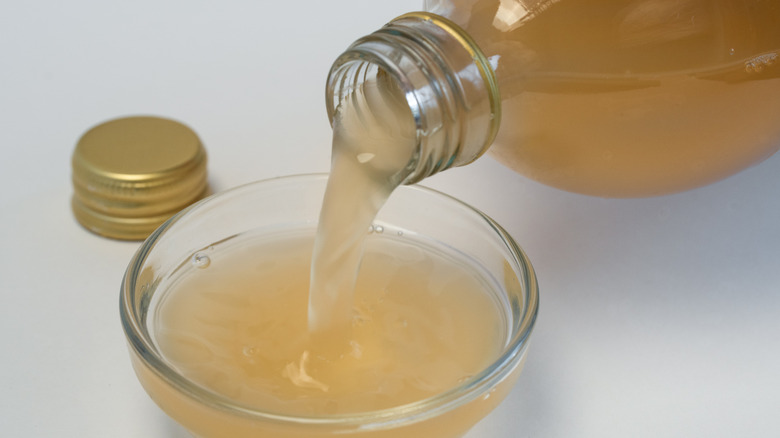
Vinegar is another pantry staple commonly used in Mexican cuisine. While it commonly serves as a final touch on tacos, it's also used to pickle various vegetables, tenderizes marinated meats, and adds balancing acidity and brightness to a number of sauces, glazes, and dips. Many types of vinegar are used in Mexican cuisine, but white vinegar is one of the most popular options due to its versatility. Apple cider vinegar is also great for a bit of added flavor, and the same even more so with red wine vinegar.