

7 Items You Should Never Store In Kitchen Cabinets
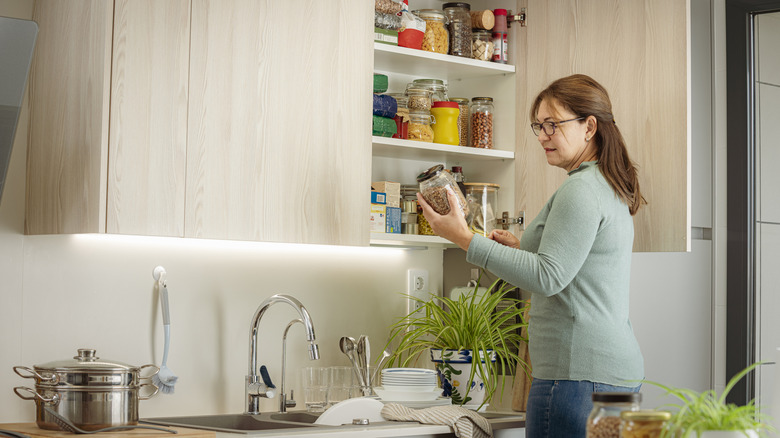
You know certain items in your kitchen have to go straight to the fridge, but sometimes, storage rules aren't so straightforward. We see condiments on tables in restaurants — do they really need to be refrigerated? How about peanut butter — is there a case for storing it in the fridge? Some of the rules are certainly nuanced, and following the cabinet and fridge storage rules you grew up with may not actually be the best way to store your food.
It can be tough to figure out what goes where, and getting it right matters, both in terms of food safety and quality. We took a look at some foods many of us think are just fine stowed away in a kitchen cabinet (your go-to snacking container of nuts, for example) that are actually better off chilled. If any of the items listed here are currently sitting pretty in your pantry, it's time to rearrange your kitchen to make sure your food stays safe and fresh.
Open containers of perishable foods
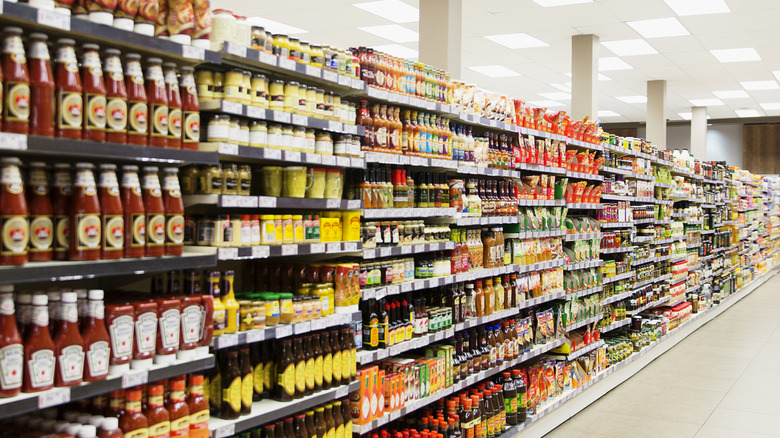
When we see items sitting at room temperature on grocery store shelves, it makes sense to think they're okay to sit on the shelf at home — but this isn't always the case once an item has been opened. Perishable foods that require refrigeration should go in the fridge once they're opened, especially if the label specifies that you should refrigerate after opening (try putting bottles and jars of perishables into a plastic shoebox in your fridge to maximize space).
Dates
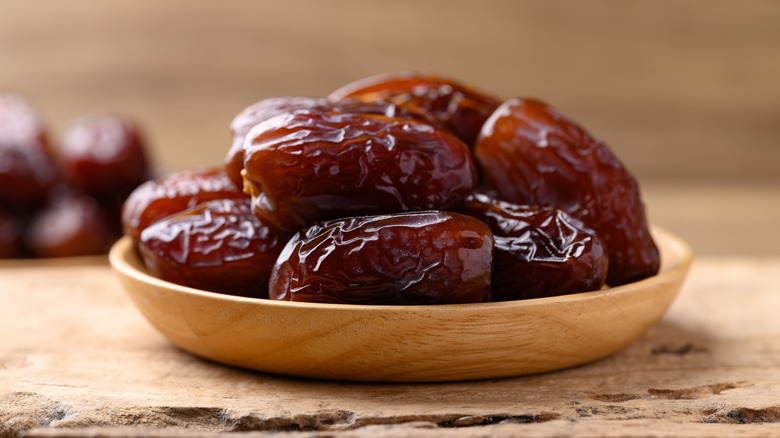
Dates are delectable, but if you aren't going to eat an entire container in one sitting, you need to put them in the fridge. Keeping dates chilled can help them last longer and prevent spoilage.
Infused oils
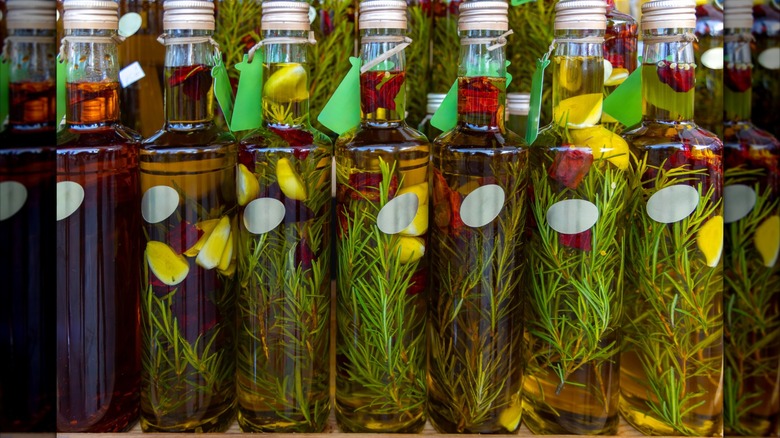
If you want to add more flavor to your meals, it's smart to make a batch of infused olive oil, but you need to take some storage precautions to keep every drop of the good stuff safe to enjoy. Olive oil without flavor additions can safely be stored at room temperature. Once you add herbs or garlic to olive oil, you create an environment where dangerous bacteria — including Clostridium botulinum, the bacterium responsible for botulism — can grow quickly. To be safe, use up your fridge-stored infused olive oil within a few days.
Nuts
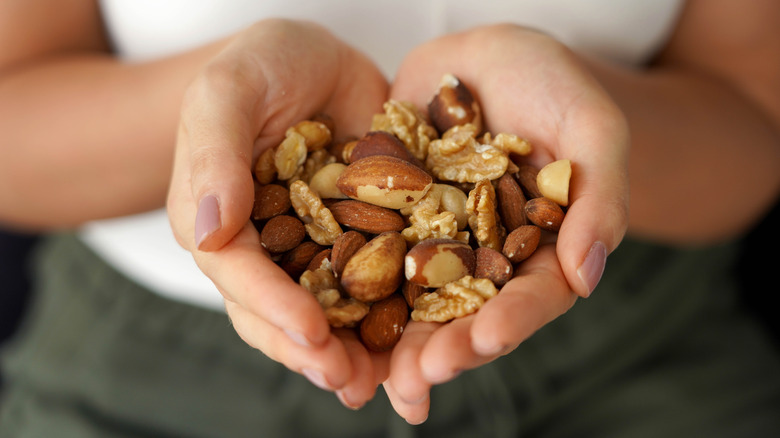
If you're like me, you keep a container of nuts in the cabinet to snack on, but this actually isn't the best place for them. Nuts contain quite a bit of fat, and that makes them subject to rancidity. Keeping them in the fridge can help them stay fresh.
Tortillas
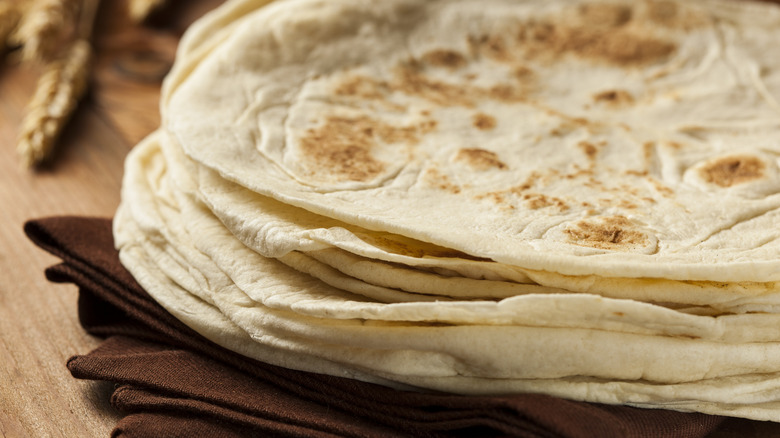
Tortillas are another item that's just fine on the shelf at the grocery store, but need to go into the refrigerator once opened. If you love the soft, slightly chewy taste of a room-temperature tortilla as much as I do, just let the ones you're going to eat sit out for a few minutes before you enjoy them.
Natural peanut butter
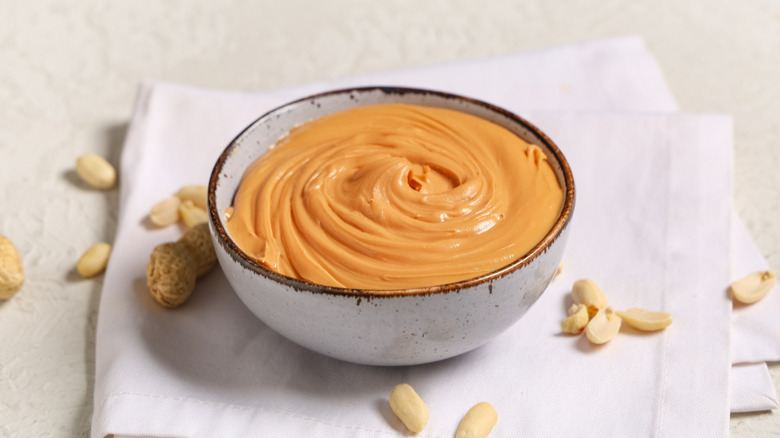
Not all peanut butter belongs in the fridge. However, if you buy the natural version, definitely keep it chilly. The oil separation that often occurs in natural peanut butter can make it more prone to spoilage. Cold peanut butter can certainly be harder to spread onto a piece of toast, so let a small portion come up to room temperature before you use it.
Whole wheat flour
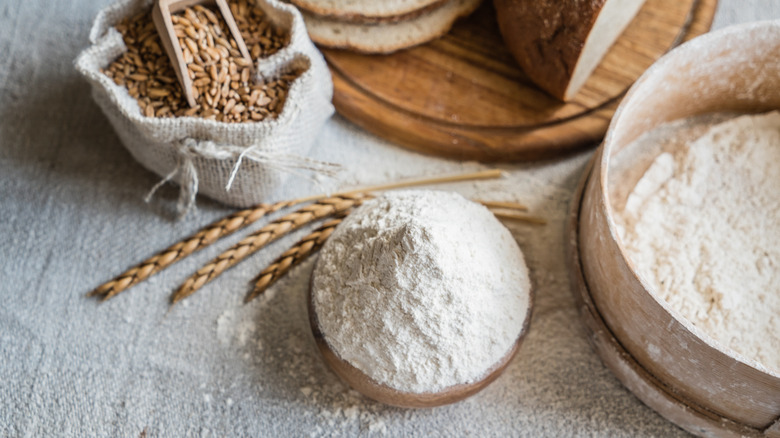
Whole grain flour holds up best when it's kept chilly since the natural oils in wheat germ are exposed to oxygen during the milling progress. Keep it in an airtight container to ensure the smells of the fridge don't affect the flavor of your next loaf.