

This Millennial Food Trend Is Everywhere — And Boomers Aren't On Board
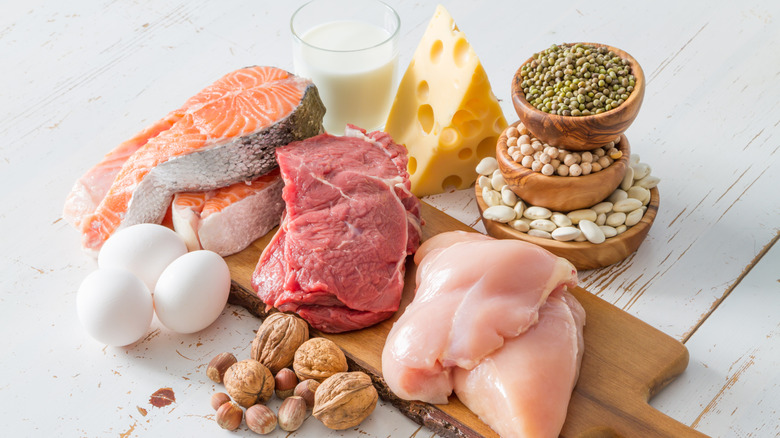
If you've set foot in a supermarket at all recently, you've probably noticed a proliferation of "high-protein" foods, from cup noodles to breakfast cereal and all kinds of protein snacks. Who's buying all of them? Statistics suggest it's more likely to be millennials and Gen Z. In a 2025 U.S. survey by Spins, more than half of participants said that they follow a high-protein diet. There has definitely been an uptick in consumers trying to eat more protein, and it's also the younger generations pushing that, not just in the U.S. but also in Europe and Asia.
Look at spending, and the pattern continues, according to a review by Empower: While Americans spend an average of $50 a week on protein products, that average is pulled upwards by Gen Z ($75 per week) and millennials ($67 per week). Boomers aren't totally immune, but they're far less invested, spending an average of $27 per week; Gen Xers are close to average at $48 per week. Similarly, while younger consumers say protein counts on labels are among the first things they look for when shopping, only 37% of boomers agree. Younger generations are also more willing to fork out extra for protein-boosted items: 56% say they would spend more on "everyday staples" that have added protein compared to 34% of older generations.
Social media is also driving this. A study by Ocado Retail (via Food Management Today) reported that around half of Gen Z shoppers say they get protein-eating inspiration from TikTok, and around one-third of millennials do the same. Practically no boomers say they lean on social media for this intel.
Why did protein take over?
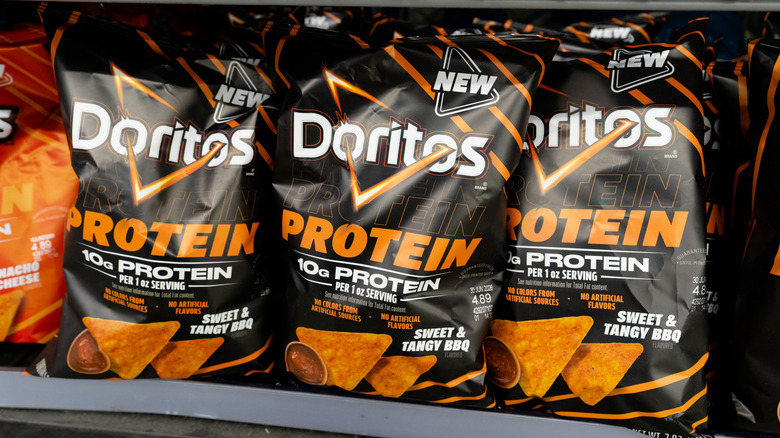
Health-consciousness definitely drives the protein craze to some degree. It helps you feel full for longer, while also helping build or preserve muscle, making it especially appealing to fitness-minded eaters. However, some take this a lot further, as evidenced by the "proteinmaxxing" trend, popular among younger generations. "Proteinmaxxers" seem to believe that more protein is always better, a mindset that nutrition experts say is not scientifically valid (indeed, it's possible to have too much protein).
The rise of GLP-1 drugs like Ozempic has also driven this trend. These medications suppress your appetite, so those who use them may prefer nutrient-dense, protein-heavy foods so that they don't lose muscle while eating less. This has led to foods like "boy kibble", a plain beef-and-rice meal that some Gen Z men live on. On top of that, U.S. Health Secretary Robert F. Kennedy Jr. has tried to generally guide Americans toward eating more protein, even flipping the old '90s food pyramid to emphasize it. Some researchers have also noted the rise of an "I'll do my own research" mindset that has led particularly younger people to take nutritional advice more from influencers and less from dietitians.
The irony is that older adults may need protein more than most youngsters, since muscle loss speeds up with age. And to be fair, they're not avoiding protein. They tend to go for traditional supplements like capsules and powders, while more often ignoring the trendy snacks and drinks — another explanation why Boomers spend less on these.